News
AI Safety Rankings: No Company Scores Above a C+
The Future of Life Institute has published its latest AI Safety Index. Anthropic leads with a C+ grade, but all nine companies evaluated failed the existential safety category, while xAI, DeepSeek, and Mistral received the lowest grade, F.
An independent panel of experts evaluated the nine largest AI developers, and not one earned a grade higher than C+. The report from the Future of Life Institute, published in July 2026, shows that industry leaders Anthropic, OpenAI, and Google DeepMind do outpace their rivals, but even they fall short on the most serious threat of all: existential risk from increasingly powerful models.
The AI Safety Index is a recurring report from the Future of Life Institute, a non-profit best known for its earlier calls to pause development of the most powerful AI models. This year's edition, labeled Summer 2026, covered nine companies: Anthropic, OpenAI, Google DeepMind, Meta, Z.ai, Alibaba Cloud, xAI, DeepSeek, and Mistral. Every company was assessed using the same methodology, applied by the same panel of reviewers for several editions running, which makes it possible to track changes over time.
Winners and Failures
Anthropic once again topped the ranking, leading in five of the six categories assessed. The company received an A- in both governance and accountability and in information sharing with external researchers, the only two A-level grades in the entire report. OpenAI and Google DeepMind scored C and C respectively, notably lower, though still in the upper half of the field.
Meta improved its position, moving from a D to a D+ and climbing from sixth to fourth place. Three companies fared the worst: Elon Musk's xAI dropped from fourth to seventh place with an F, while DeepSeek and Mistral, representing the Chinese and European AI markets respectively, also received the lowest possible grade.
Walking Back Commitments
The report's most troubling finding isn't the ranking itself but the direction of travel. Reviewers noted that companies, including those at the top of the list, are backing away from earlier pledges to halt model development if certain risk thresholds were crossed. These so-called "red lines" were meant to serve as a hard safety mechanism, but in practice they have been watered down or abandoned.
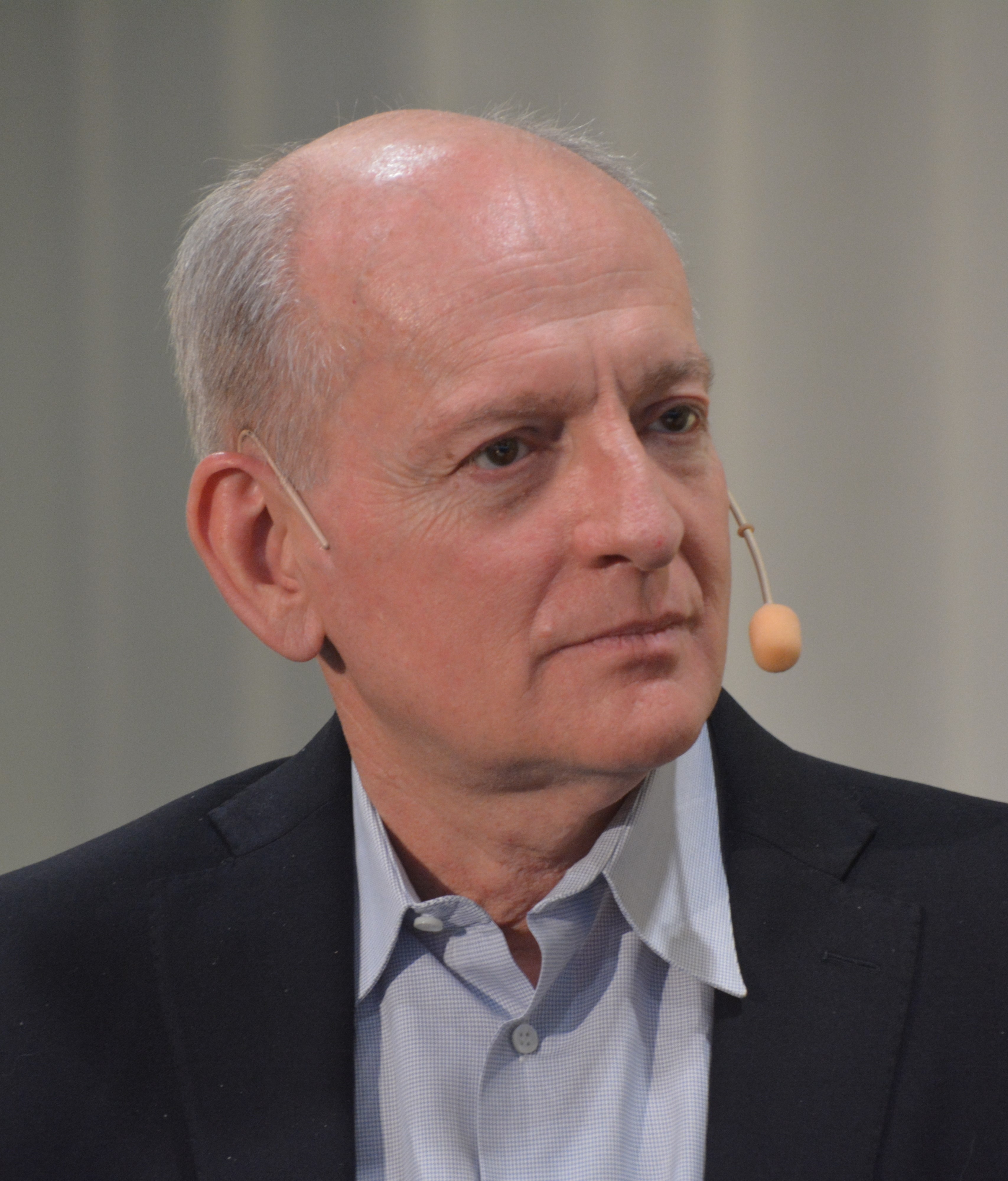
Companies planned to release systems even when it is clearly dangerous to do so - Stuart Russell, UC Berkeley professor and member of the review panel
A second major theme is the shift toward military applications. The report notes that even Anthropic, OpenAI, and Google DeepMind have softened their earlier reservations about working with the defense sector. The index's authors classify this as an "emerging current harm risk", a threat that is materializing now rather than in some hypothetical future with more advanced models.
Why Existential Safety Lags Most
Of the six categories assessed, risk assessment, current harms, safety frameworks, existential safety, governance and accountability, and information sharing, existential safety scored worst across all nine companies. None cleared the C- threshold, and most received a D or lower. According to the reviewers, this means that despite pledges of responsible development, the industry still lacks credible, verifiable mechanisms to limit the risks posed by models capable of large-scale autonomous action.
For Polish readers, the report carries practical weight beyond its ranking-table novelty. Companies building on Anthropic, OpenAI, or Google models, and these three dominate Poland's enterprise AI deployment market, are relying on vendors that, according to independent experts, themselves admit they don't fully control the most serious risks in their own systems. That's an argument that should come up in conversations about SLAs, security audits, and contingency plans for any major corporate rollout.
What Comes Next
The Future of Life Institute publishes the index on a recurring basis, so the next edition will likely arrive in about six months and show whether companies respond to the criticism or whether the trend of abandoning earlier commitments deepens further. A regulatory debate is unfolding in the background too: the European Union is rolling out the AI Act, while the US administration is working on voluntary safety standards meant to formalize the process of reviewing models before release. The FLI report will likely be cited as one of the arguments in these discussions on both sides of the Atlantic.