News
Amplitude Studios Had to Prove Its Humankind 2 Trailer Wasn't Made With AI
A trailer for Humankind 2 sparked accusations of "AI slop" right after its Gamescom 2026 reveal. Amplitude Studios responded with a behind-the-scenes video documenting a real shoot with human actors in Sofia.
Contents
Amplitude Studios released a behind-the-scenes video on Thursday documenting the production of its Humankind 2 trailer, aiming to quiet a wave of accusations that the ad had been entirely generated by artificial intelligence. The footage shows real film sets, costumes, and props used during shooting at a Bulgarian film studio.
The Humankind 2 trailer debuted during the Gamescom Opening Night Live show in August 2026. Online reactions were enthusiastic about the visual scale, but another storyline quickly emerged: some viewers concluded that the smooth transitions between eras and realistic shots could only have been made with generative AI.
Where the accusations came from
Critics pointed to specific shots in the video, especially the transition scenes between historical eras, which they said displayed the kind of "floating" detail and unnatural lighting typical of AI video generators. Comments accusing the studio of hiding its use of generative tools began piling up on social media and under the official posts, even though the production notes made no mention of AI.
The official Humankind account on X responded briefly, stating that no artificial intelligence had been used in the production. That wasn't enough for some skeptics, who demanded hard evidence rather than just a statement.
Proof from behind the scenes
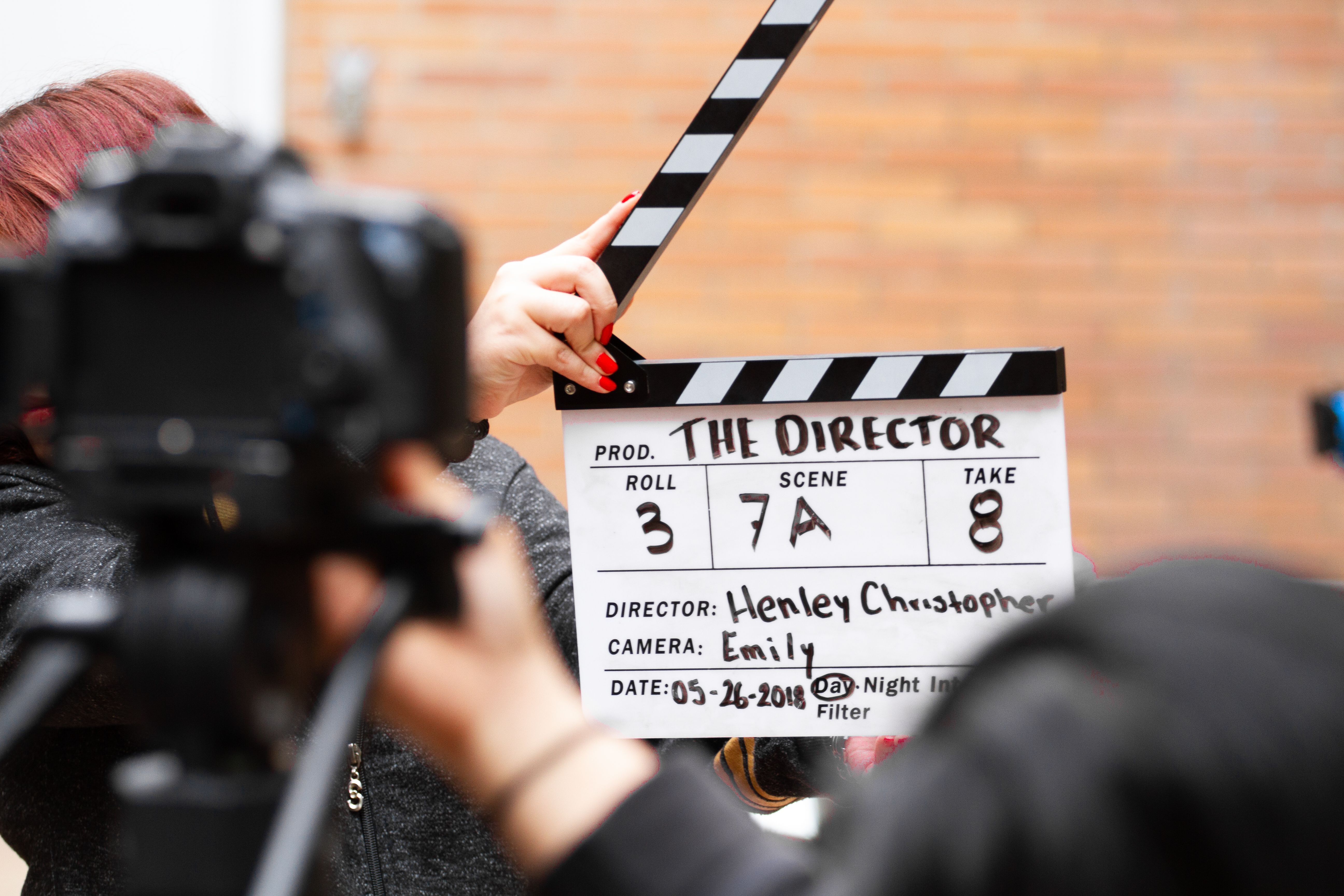
Amplitude Studios opted for a fuller response, publishing ninety seconds of footage documenting the production process on September 4. The video shows the individual sets built for each of the nine eras, complete with unique costumes, props, lighting, and camera choreography.
Filming took place at Nu Boyana Film Studios in Sofia, one of the larger production complexes in Eastern Europe. The shoot involved 25 actors, more than a hundred extras, and nearly a hundred and fifty crew members. Real animals also appeared on set, including a pig, five chickens, and dozens of rats, used in scenes illustrating different periods of civilization's development.
Our ambition was to condense the entire history of humankind into 73 seconds - Benjamin Le Breton, creative director at BETC
Traditional tricks instead of a generator
Instead of generative AI, special effects such as the digital tornado, the nuclear explosion, and the space scenes were created using traditional CGI post-production. That part of the work fell to LiveFX, which layered visual effects onto footage shot on real sets rather than generating images from scratch.
BETC already had experience promoting the Humankind brand, having produced trailers for the original 2021 game. The work on the sequel was therefore meant to rely on proven filmmaking methods rather than the new generative tools that have increasingly found their way into video game marketing in recent months.
The broader AI slop debate
The Humankind 2 episode fits into a growing distrust among gamers toward the industry's promotional material. In recent months, trailers for several other titles have faced similar accusations, and viewers are increasingly demanding that studios disclose whether generative tools were used in production. The result is a situation where even a fully traditional film production now needs extra documentation to avoid being tagged as "AI slop."
For Polish readers following the games and marketing industry, this is a sign that visual quality alone is no longer sufficient proof of a video's origin. Production studios, ad agencies, and brands will increasingly need to plan the release of behind-the-scenes material in advance to protect themselves from a wave of accusations right after a campaign launches.
Humankind 2, the second installment in Amplitude Studios' 4X strategy series, is set to launch on PC in 2027. The trailer controversy hasn't affected the announced release schedule, but it did show that the studio had to devote extra resources to defending the credibility of its own marketing campaign instead of focusing solely on promoting the gameplay.