News
China Launches 100,000-Card AI Compute Hub in Zhengzhou
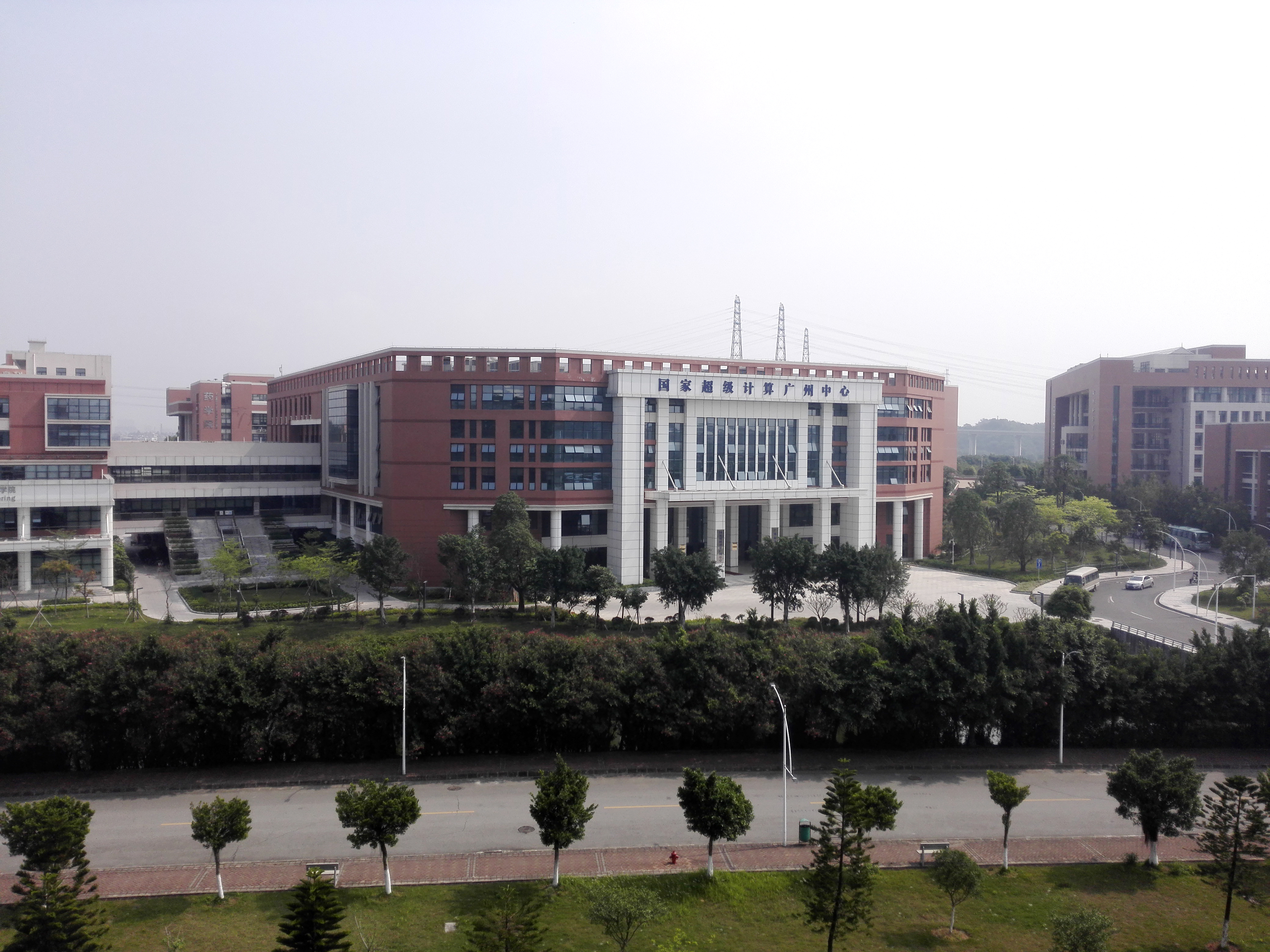
A new node of China's national supercomputing network went live in Zhengzhou with more than 100,000 AI computing cards, the largest single national compute resource connected to the platform since its launch.
A new node of China's national supercomputing network officially went online in Zhengzhou, the capital of Henan province, on Thursday, July 9. It is the country's first integrated supercomputing and AI resource pool at the 100,000-card level, announced during the Henan Artificial Intelligence Conference 2026.
The Chinese government has spent years steadily building out national computing infrastructure in response to US export restrictions on advanced AI chips. The Zhengzhou node is another piece of that strategy, meant to supply computing power for training large language models and the scientific agents used in research.
Scale of the buildout
The card count in Zhengzhou alone is striking, but the real story is the network it plugs into. More than 3.5 million CPU cores and 250,000 GPU cards linked into a single national platform amount to a resource comparable to the infrastructure run by the largest Western cloud providers, built largely on domestic chips and without access to Nvidia's latest, sanctioned hardware.
The platform is not just a backend for major AI labs. According to figures cited by Chinese state media, it already serves more than 1.4 million registered users, with 7,300 application services and 1,500 adapted large models connected to the network. That suggests authorities are treating computing power as a public resource, made available to smaller firms and universities as well as tech giants.
Expert reaction
Liu Wei of the Beijing University of Posts and Telecommunications said the platform could effectively support the training and optimization of large foundation AI models. Wang Peng of the Beijing Academy of Social Sciences, meanwhile, stressed that independent computing power is becoming increasingly important in the global race for AI advantage.
The platform can effectively support the training and optimization of large foundation AI models. - Liu Wei, Beijing University of Posts and Telecommunications
What comes next
Zhengzhou is not the end of China's hardware push this month. In two weeks, on July 17-20, Shanghai will host the World Artificial Intelligence Conference, where Huawei is expected to present its new Atlas 950 chip, another piece of the national strategy to reduce reliance on Western chip suppliers.
For the global AI market, this points to an accelerating infrastructure race on both sides of the Pacific. US companies such as OpenAI, Anthropic and Google DeepMind measure their compute in tens of thousands of Nvidia chips, while China is answering with the scale of a national public network that pools resources from many centers into a single system available on demand.
For Polish companies and research institutions, it is above all a signal of how fast the global supply of AI training compute is growing, which over time could affect cloud computing prices and the pace at which new models reach the market.