News
Christopher Nolan Calls AI a "Trojan Horse" in Hollywood as Netflix Touts 300 AI-Assisted Titles
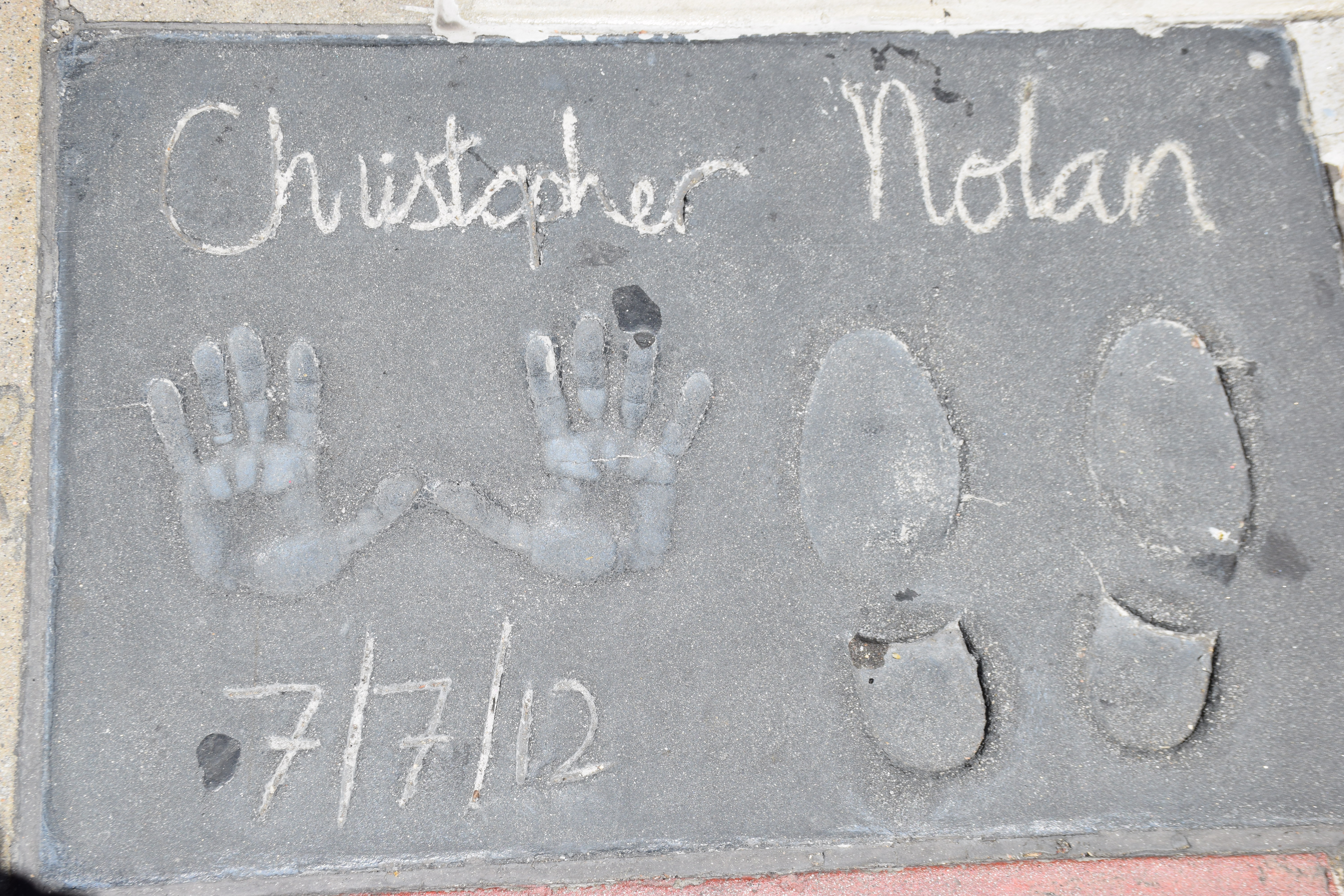
The director of The Odyssey and president of the Directors Guild of America warned in an interview that AI is an open "Trojan horse" that everyone is letting in despite knowing the danger. His comments came a week after Netflix revealed the scale of generative AI use in its productions, and as the industry grapples with the controversy over AI actress Tilly Norwood.
Contents
Christopher Nolan, director of The Odyssey and president of the Directors Guild of America, has publicly compared artificial intelligence to a Trojan horse. In an interview with French journalist Hugo Travers, he said the film industry is knowingly letting in a technology whose dangers no one is hiding.
What Nolan said
Asked whether AI could be a technology that people first welcome with open arms only to later discover its darker side, Nolan answered directly. In his view, the entertainment industry is letting in a tool whose risks have been visible from the start, not hidden.
I think AI is a Trojan horse that everyone knows has Greeks inside it - Christopher Nolan, director, president of the Directors Guild of America
It's a transparent horse, made of glass. Everyone can see what's happening inside it - Christopher Nolan, director, president of the Directors Guild of America
The director also spoke about growing skepticism toward AI among young viewers, who have coined the term 'AI slop' for machine-generated content. He called this distrust healthy and necessary, arguing that judging a new technology requires an equally critical look at those promoting it.
I've never seen a technology that developed so quickly and was so thoroughly rejected by public opinion - Christopher Nolan, director
Netflix and the 300-title scale
Nolan's comments came shortly after Netflix, alongside its second-quarter 2026 earnings, revealed that generative AI played some role in producing around 300 films and series in its catalog this year. The platform presents these tools as an aid for creators, speeding up visual effects and pre-production work such as building crowds, battle scenes, or backgrounds.
Earlier in 2026, Netflix also acquired a startup specializing in AI-assisted filmmaking, part of a strategy to more deeply integrate these tools into its production process. The figure of 300 titles covers the platform's entire catalog for the year, not just experimental projects, showing how quickly generative AI has entered the mainstream of TV and film production.
The fight over digital actors
Tension over AI in Hollywood is also being fueled by the case of Tilly Norwood, a fully digital actress created by British studio Particle6, who landed a role in the film 'Misaligned', playing an artificial intelligence character. The SAG-AFTRA union stated unequivocally that Norwood 'is not an actor,' pointing out that the model was trained on the work of countless real performers without their consent or compensation.
The union proposed a mechanism informally dubbed the 'Tilly tax', mandatory fees paid into union funds whenever studios replace human actors with digital characters. Studios oppose the idea, arguing that a fully invented character is legally distinct from a digital copy of a specific, living person.
What it means for the industry
The Directors Guild of America, which Nolan leads, secured protections against unrestricted use of generative AI in film production during its latest contract negotiations. That puts the director in an unusual position: he benefits from growing public distrust of AI as a negotiating tool, while also openly criticizing the technology himself, even as his latest film, The Odyssey, is a box-office hit.
The dispute highlights a divide between studios, which treat generative AI as a tool for cutting production costs, and creators and unions, which have viewed the technology as a threat to jobs and copyright ever since the 2023 writers' and actors' strikes. Netflix's own figure of 300 titles suggests the debate is moving from theoretical discussion into the industry's everyday production practice.
For Poland's production market and people working in post-production, visual effects, or dubbing, this debate carries practical weight: streaming platforms buying content from Polish studios and co-producers will increasingly ask where and how generative AI was used in a given production, especially given EU requirements for labeling AI-generated content.