News
Illinois Signs Strictest AI Safety Law in the US
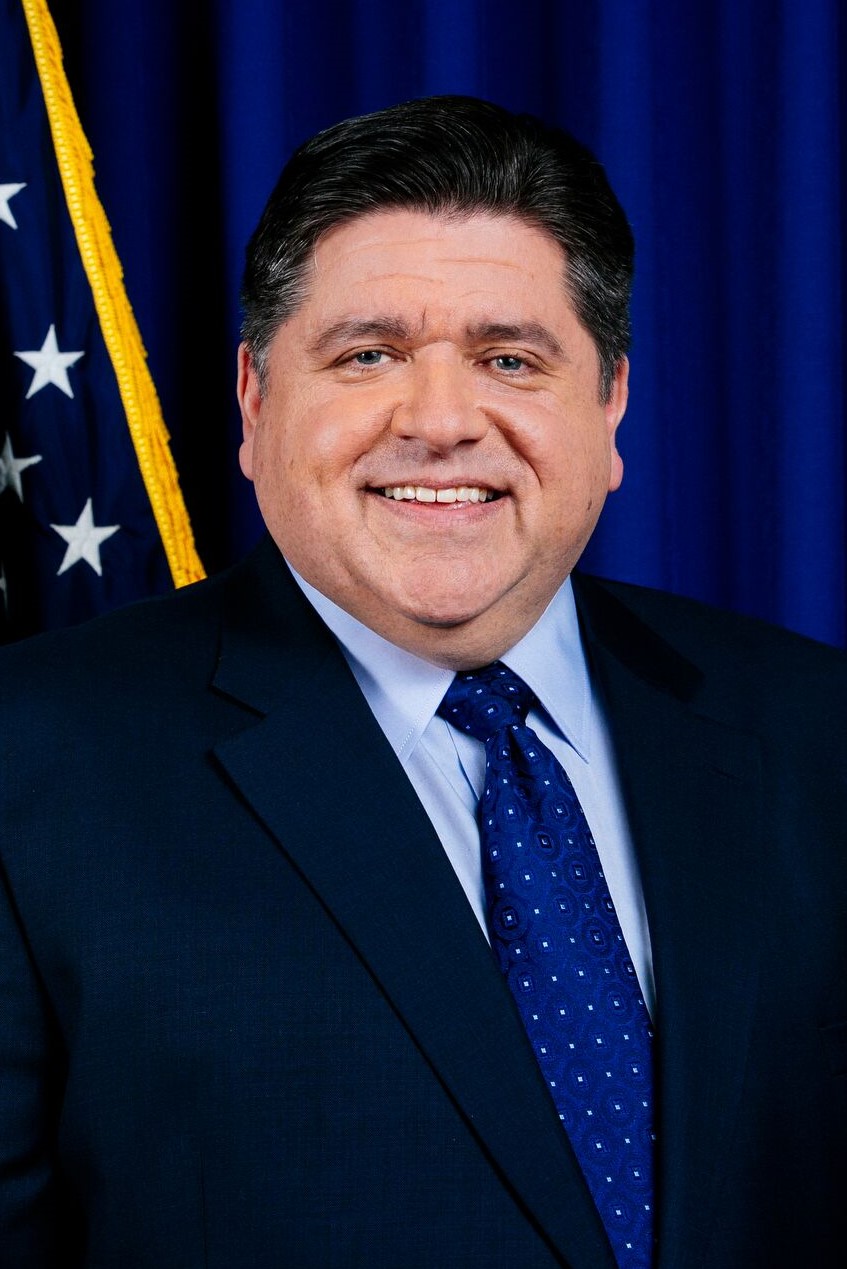
Illinois Governor JB Pritzker has signed the AI Safety Measures Act, requiring the largest AI model developers to publish safety plans and undergo annual independent audits, a first in the United States.
Contents
Illinois Governor JB Pritzker signed the AI Safety Measures Act on July 6, 2026, a law state officials describe as the most rigorous artificial intelligence regulation in the United States. The law requires the largest model developers to publish catastrophic risk management plans and submit to annual, independent safety audits.
The new rules apply to so-called large frontier AI model developers, meaning companies whose products generate more than $500 million in annual revenue and that train models using substantial computing resources. The law requires them to publish safety frameworks describing how they identify and assess catastrophic risk, defined as the potential to cause death or serious injury to more than 50 people or property damage exceeding $1 million.
Incident reporting requirement
Companies covered by the law will have to report critical safety incidents within 72 hours of detection, or within 24 hours in cases involving an imminent threat to life. This marks the country's first requirement for annual, independent external audits, going further than similar rules adopted earlier in New York, where an audit is required only once, when a company crosses the threshold covered by the law.
Enforcement will fall to the Illinois Attorney General, with civil penalties of up to $1 million for a first violation and up to $3 million for each subsequent one. The law takes effect on January 1, 2028, giving companies more than a year to adjust internal procedures and prepare their first reports.
Backing from parts of the industry
Unlike many earlier disputes over AI regulation, the law was backed by OpenAI and Anthropic, and Anthropic representatives were present at the signing ceremony. The company, now valued at $965 billion following its latest funding round, called the rules an important step toward the kind of accountability the technology requires.
We can work together to build thoughtful guardrails in a way that benefits both the industry and the people of Illinois - JB Pritzker, Governor of Illinois
Not everyone in the tech sector shares that enthusiasm. TechNet, an industry group representing major tech companies, raised concerns about what it called highly subjective assessments of AI safety compliance, made without established national standards, certification, or a clear regulatory framework. Critics point out that the absence of a uniform federal law means companies operating across the United States will have to navigate an increasingly fragmented patchwork of state rules.
A patchwork of state rules
Illinois joins California and New York, which had already introduced their own safety regulations for large AI models. Together, the three states account for roughly 40 percent of the US tech market, effectively creating something like a national safety standard despite the absence of federal legislation. Illinois House Speaker Emanuel Chris Welch defended the approach, pointing to federal inaction.
These decisions are too consequential to leave to a federal government that can't meet even basic needs of the people, or to so-called tech bros - Emanuel Chris Welch, Speaker of the Illinois House of Representatives
What it means for Poland and Europe
For Polish companies using models from American providers, the new rules mean that major market players such as OpenAI and Anthropic will be required to publish detailed safety frameworks and undergo independent audits, regardless of the fact that their users operate outside the United States. In practice, this could help standardize risk-reporting practices globally, much as the EU's AI regulation has already forced changes in the documentation of providers serving the European market.
The Illinois law also shows that regulatory pressure on the developers of the most advanced models is building on multiple fronts at once, not just in the European Union. More states can be expected to prepare similar legislation in the coming months, and the debate over whether Congress should finally pass a uniform federal AI law is likely to gain momentum before the congressional elections.
Sources: Pritzker signs landmark AI regulation bill that aims to mitigate risks (capitolnewsillinois.com), Gov. JB Pritzker signs Illinois AI regulations into law (chicago.suntimes.com), Pritzker signs landmark AI regulation bill (washingtonpost.com)