News
Loop Engineering: Programmers Describe a New Discipline for Working With Coding Agents
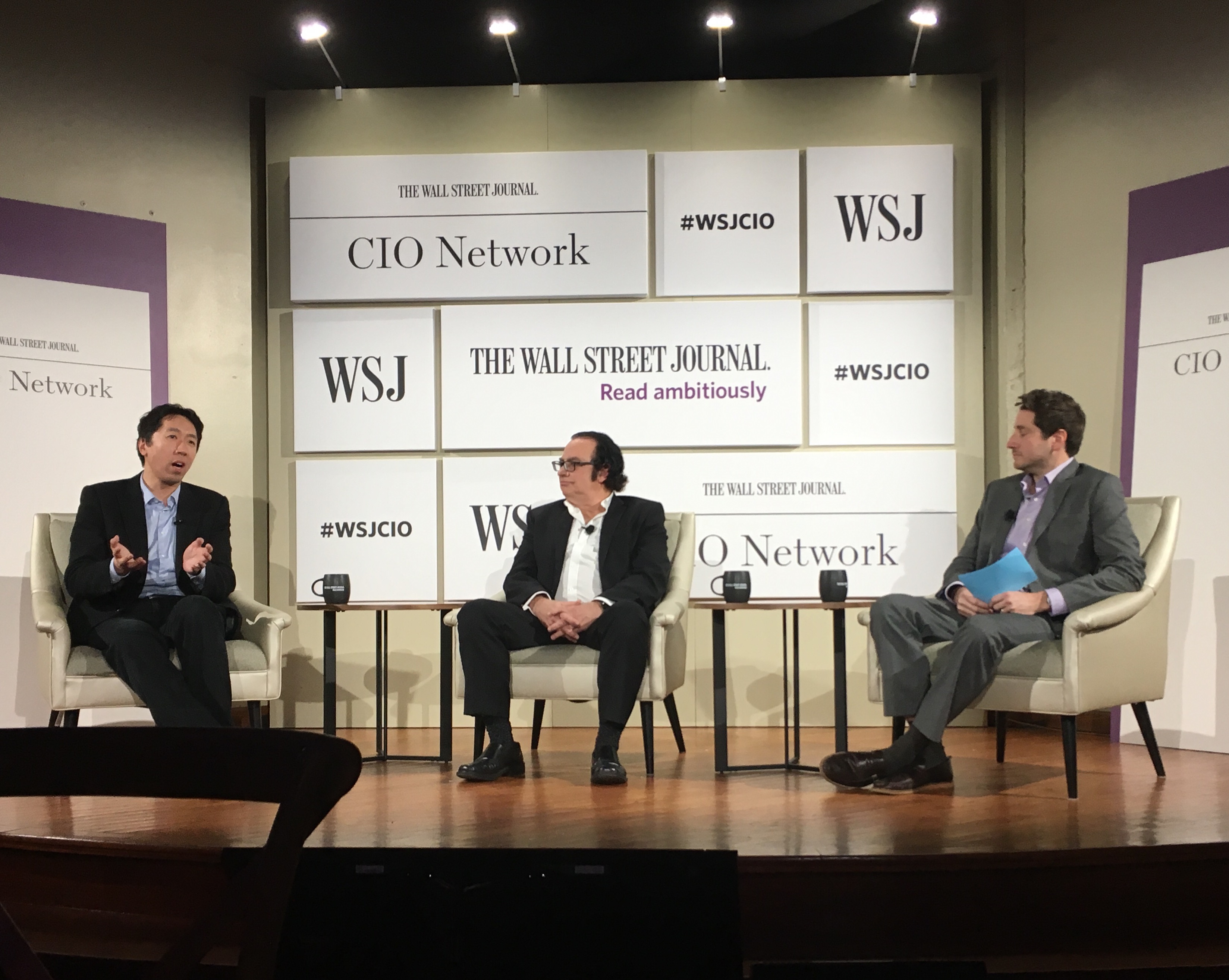
Andrew Ng has named and mapped out the three feedback loops now shaping work with AI coding agents, while developers in interviews say they are more productive than ever, and also more exhausted.
Contents
The term loop engineering has become, in the past few days, one of the most widely discussed phrases among programmers working with AI agents. It was popularized by Andrew Ng, co-founder of Google Brain and creator of Coursera, in a letter published in his newsletter The Batch, after the topic was picked up by the creators of popular agentic coding tools.
Andrew Ng's Three Loops
Ng describes work on products built from scratch with AI as a game of three overlapping feedback loops. The first is the agentic coding loop - given a product specification and, optionally, a set of evaluation tests, the AI agent writes code on its own, tests it, and fixes it until it meets the requirements. This happens on a scale of minutes.
The second is the developer feedback loop - a human reviews the current state of the product and steers the agent, pointing out the direction for fixes. Ng stresses that human input is best understood as a contextual advantage, since that framing offers a clearer path to helping AI systems improve, rather than treating the programmer's role as redundant. The third and slowest loop is external feedback - opinions from friends, alpha testers, production rollouts with A/B tests, which usually takes hours, days, and sometimes weeks.
Productivity and Exhaustion
Alongside the term's spread through trade media, programmers have also spoken up about the darker side of working this way. Tekedia gathered comments from software developers who describe days dominated by constant context-switching - reviewing agent-generated code, refining prompts, and picking the best variant among several generated in parallel.
My programmer friends feel incredibly productive, and at the same time extremely exhausted - David Holz, Midjourney
I like focused work on a hard problem with a single agent - Catherine Wu, head of product for Claude Code at Anthropic
How Agents Are Reshaping Team Workflows
What Ng describes as the discipline of designing loops means, in practice, that development teams must consciously decide how many agents to run in parallel and how long to stay in one loop before moving to the next. Catherine Wu admits that although she can run dozens of agents simultaneously day to day, on difficult tasks she deliberately limits their number, to enter a state of deep focus on a single problem.
Ben South, a serial entrepreneur and former Postmates vice president, describes this as the pressure of constant availability - even an hour of rest now feels like a huge loss of potential productivity, since the agent could have kept working in that time. Brandon Kainoa Jacoby, a designer formerly associated with X and Cash App, predicts that things may get worse before they get better.
What It Means for Polish Teams
For Polish software companies and internal IT teams, the topic carries practical weight - if the terminology and practices described by Ng and the programmers quoted here catch on, they will change how teams organize work, how sprint schedules are built, and how the productivity of programmers who increasingly oversee multiple agents at once, rather than writing code line by line, is assessed. Companies rolling out coding agents will need to consciously design how many parallel agent loops a given team can effectively oversee without overloading its people.
For now there is no hard data on the scale of burnout linked to working with coding agents, but a growing number of voices in the industry suggests the topic will keep resurfacing in the coming months, alongside the continued spread of tools such as Claude Code and OpenClaw.
Sources: ADTmag (adtmag.com), Tekedia (tekedia.com), Andrew Ng's post on X (x.com)