News
Poland's media regulator names Marzena Paczuska to new national AI commission
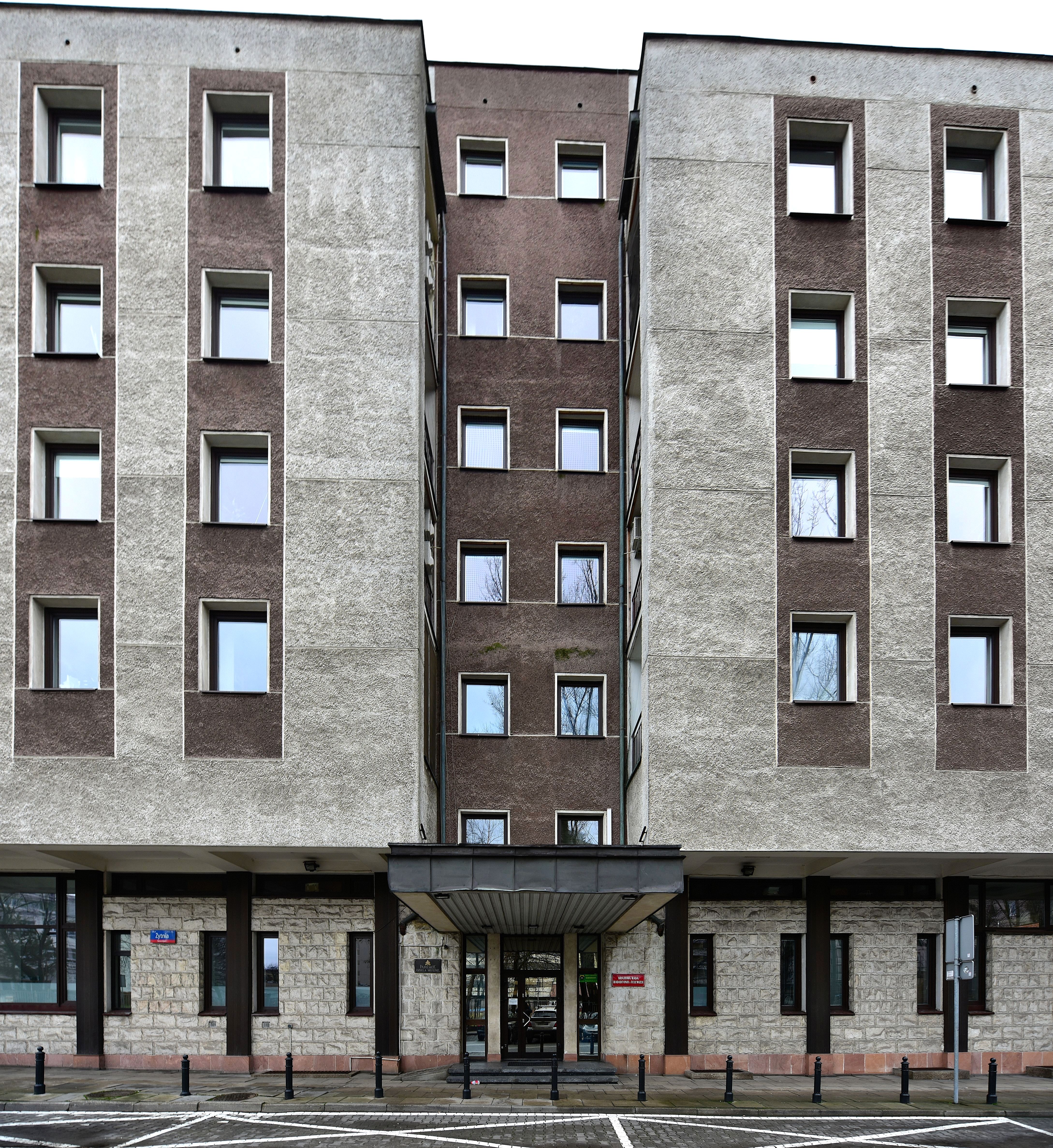
Poland's National Broadcasting Council (KRRiT) unanimously picked Marzena Paczuska as its representative on the Commission for the Development and Safety of Artificial Intelligence. The commission will supervise the AI systems market in Poland and will be able to impose fines.
At its Monday meeting, KRRiT (the National Broadcasting Council, Poland's media regulator) unanimously nominated its member Marzena Paczuska, a former head of TVP's "Wiadomości" news program, as the Council's representative on the Commission for the Development and Safety of Artificial Intelligence (KRiBSI). It is another piece in the puzzle of Poland's new AI oversight body, whose first meeting should be convened by 11 November 2026 at the latest.
Who KRRiT picked
According to Wirtualne Media, the decision was unanimous. A KRRiT representative's seat on the commission follows directly from the act of 3 July 2026 on artificial intelligence systems, which was promulgated on 27 July.
Marzena Paczuska has been a KRRiT member since October 2022, appointed by then-president Andrzej Duda. She has more than 25 years of experience in public media. From January 2016 to August 2017 she headed TVP1's "Wiadomości", and from March 2019 she sat on the TVP management board. In March 2020 she was suspended, and she resigned a few months later.
What KRiBSI is
The commission is an independent state body that will supervise the AI systems market in Poland and act as the national single point of contact for the EU's AI Act. Organizational support is provided by the Ministry of Digital Affairs.
Its powers include checking compliance with the AI Act and the Polish act, and handling reports about systems that threaten health, safety or citizens' rights. In cases of direct risk, the commission can order a system to be taken out of use or withdrawn from the market. It can also impose administrative fines.
Beyond enforcement, the commission is to run regulatory sandboxes for testing AI solutions and issue individual opinions on whether planned solutions comply with the rules. It will also handle education and support research and innovation.
The chair and the lineup
Pamela Krzypkowska was appointed by the Sejm (the lower house of Poland's parliament) on 18 September, the Senate approved on 24 September, and she received her appointment document on 2 October. She previously headed the Department of Research and Innovation at the Ministry of Digital Affairs, where she worked on AI policy, the PLLuM model and computing infrastructure, among other things. From 2019 to 2023 she worked at Microsoft.
According to CRN, citing the Polish Press Agency (PAP), the commission's chair declared independence from both the government administration and private companies. She also named a balance between supporting innovation and protecting citizens' safety as a goal. The remaining members will be nominated by the head of UOKiK (the competition and consumer protection office), KNF (the financial supervision authority) and the head of UKE (the electronic communications office), while the chair's two deputies are to be appointed after an open and competitive recruitment process.
What it means for companies
For Polish businesses, the key date is 28 October, when the rules on inspections, proceedings and fines start to apply. Companies deploying or offering AI systems should therefore check whether their products meet AI Act requirements. The option to obtain an individual compliance opinion and use a regulatory sandbox could help smaller players.