News
AI Agents Can Use Up to 136 Times More Energy Than a Regular Chatbot
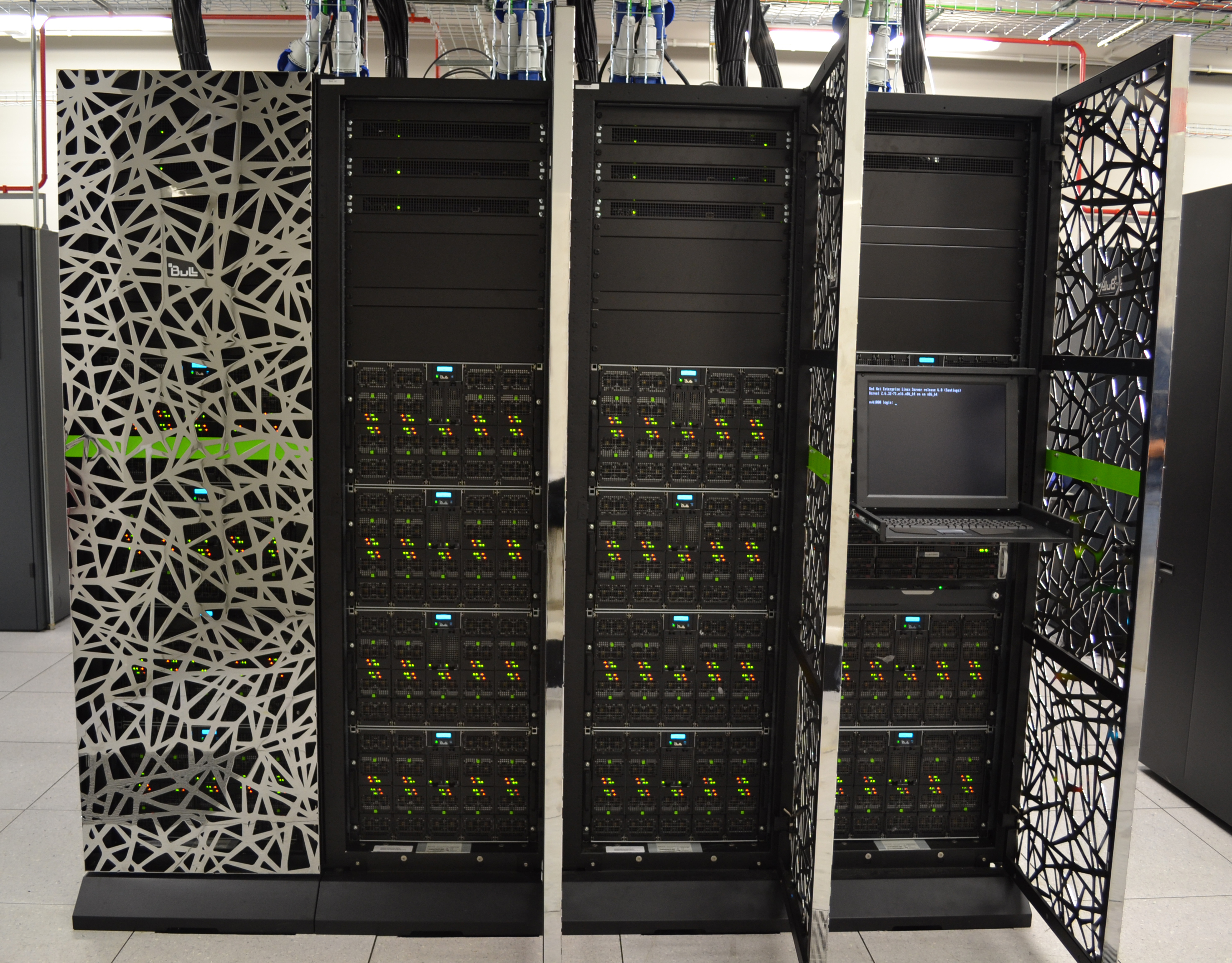
KAIST researchers have calculated, for the first time, the real energy cost of AI agents: autonomous systems performing multi-step tasks can use up to 136.5 times more electricity per query than a standard conversational model.
Contents
A team from South Korea's KAIST has published the first systematic analysis of energy consumption by AI agents, and the result surprised even the researchers themselves. An autonomous agent built on a 70-billion-parameter language model can use up to 136.5 times more energy per query than a regular chatbot delivering a single one-off answer.
Why Agents Cost So Much
The difference between a chatbot and an agent lies in how they operate. A chatbot receives a question, generates one answer, and stops there. An agent built on Reflexion or LATS works differently: it plans steps, calls language models repeatedly, reaches for external tools, browses the web, runs calculations, and evaluates on its own whether the task was completed correctly. Each such cycle means firing up the computationally expensive model all over again.
The study's authors point out that the problem isn't just the number of model calls, but the architecture of the process itself. An agent often has to wait for a response from the internet, the result of a database query, or the output of code execution. During that time, an expensive GPU that costs tens of thousands of dollars sits idle instead of computing, yet it still draws power and racks up costs in the data center.
Where the 136.5x Figure Comes From
It's worth stressing that 136.5 times is the upper bound of a wide range of results, not a typical value for every agent. Forbes' analysis notes that a headline built around a single number can be misleading, since real-world energy consumption depends heavily on the type of task, session length, and the specific agent architecture. Even so, even the lower-bound figures from the study show energy use many times higher than a single chatbot response.
The KAIST researchers publicly released the agent implementations and benchmarks used in the study, allowing other teams to replicate the measurements and verify the results on their own systems. That matters because previous estimates of AI energy consumption were based mainly on single-response models, while the industry is increasingly shifting toward agentic architectures.
Implications for Data Centers and Power Bills
The findings have direct implications for infrastructure planning. Companies building data centers for agentic workloads need to account for the fact that GPU count alone won't be enough, managing wait times and avoiding idle time on expensive hardware will become critical. This is also a recurring theme in European and Polish plans for AI data center investment, where energy costs are one of the main constraints on scale.
For companies using AI agents in daily operations, from customer service automation to coding agents, the study also carries a practical business lesson. A task handed to an agent that independently searches the web and carries out multi-step operations can end up costing far more in energy and infrastructure terms than a simple chatbot query, even if the per-token fee looks similar.
Agents loop through planning and tool calls, which leaves expensive GPUs idle as much as 54.5 percent of the time while they wait for external responses - KAIST research team
What Comes Next
The authors suggest the industry needs new energy-efficiency metrics tailored to agentic architectures, not just to classic language model inference. An open question is whether cloud providers will start reporting energy consumption per agentic task rather than just per model query, a shift that could change how companies calculate the real cost of deploying AI agents.
Sources: Let's Data Science (letsdatascience.com), TechXplore (techxplore.com), Forbes (forbes.com), Digital Trends (digitaltrends.com), arXiv (arxiv.org)