News
Fake Beaches and AI-Generated Hot Springs Are Fooling More Tourists
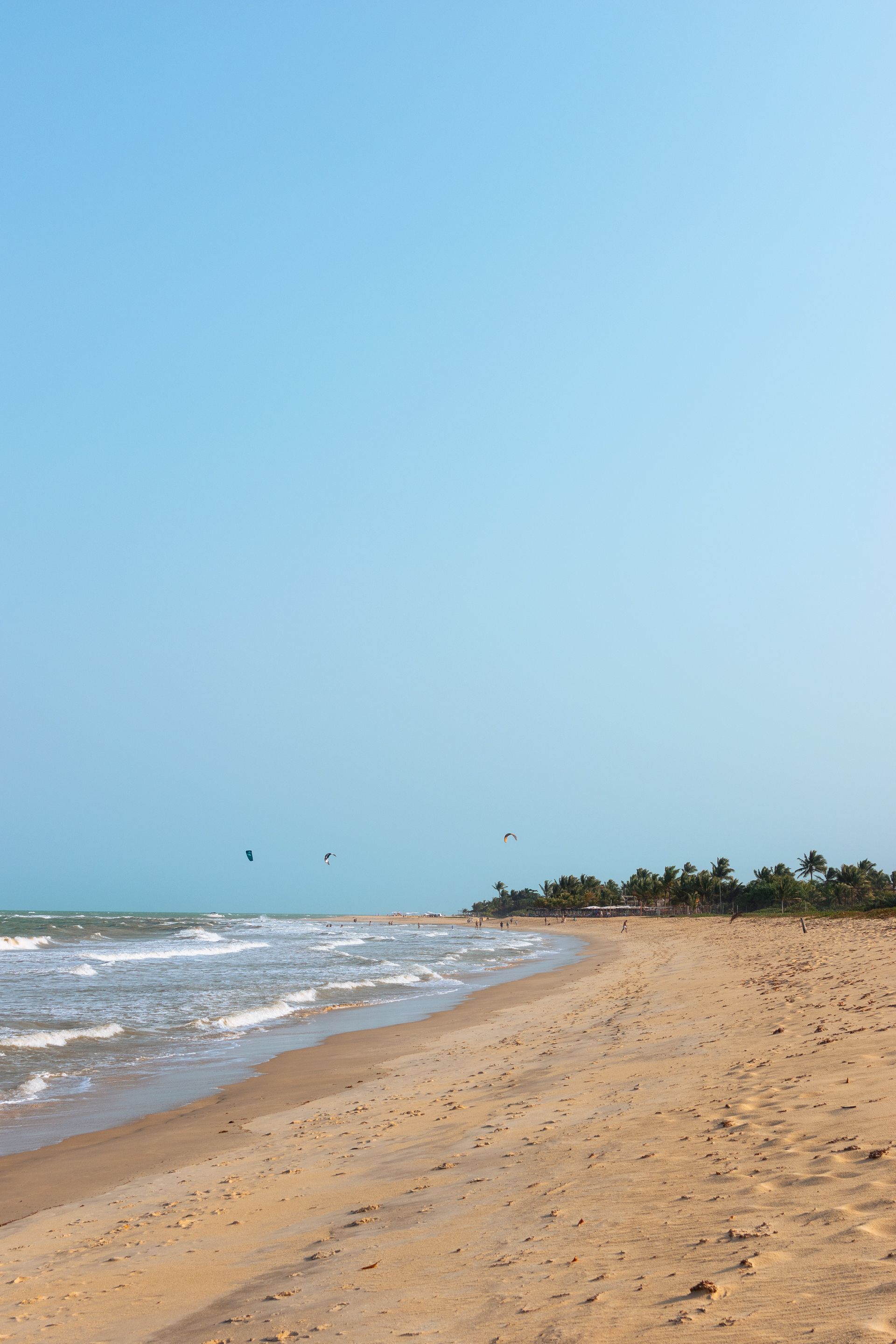
A survey of 2,000 people found that only 5 percent could reliably tell real vacation photos from AI-generated ones. Fake attractions, digitally emptied beaches and touched-up apartments are becoming a growing problem for the travel industry.
Research firm Talker Research ran a test on 2,000 people, including travel industry experts, showing them pairs of vacation photos. In each pair, one image was authentic and the other generated by artificial intelligence. The results show that spotting the fake is practically impossible for most people.
Among the most glaring examples, researchers point to generated images of a supposedly pristine lake in central Bangkok, when in reality the site consists of concrete canals and industrial land. A similar case involved fake hot springs in Australia's Tasmania that never existed at the described location.
How Fake Attractions Are Made
AI tools let the creators of fake listings erase crowds of beachgoers, litter, market stalls or a construction site in the background from photographs. Another popular trick is digitally renovating run-down hotels and apartments, where generative models improve lighting, furniture, bathrooms and walls, creating the image of a property that in reality never looked that good.
The problem is not limited to small-time scammers posting fake listings. Even the official tourism portal of the Japanese city of Fukuoka published photos of a nonexistent attraction called Uminaka Happiness World, showing that generated images are also making their way into promotional material produced by public institutions.
The Scale of the Problem
According to data cited in the study, 62 percent of travelers choose their vacation destination mainly based on price, and 47 percent base their decision heavily on the photos and video content shown in the listing. This group is the most vulnerable to being misled by generated images, since they are less likely to verify a listing through any means other than visually.
Experts cited in reports note that scammers use AI chatbots to instantly write enthusiastic descriptions and fake property reviews, while advances in voice and video generation also make it possible to create realistic fake phone calls, in which AI mimics the voice and speech patterns of a specific person, such as a supposed travel agency representative.
What It Means for Polish Tourists
For Poles planning trips abroad, this means having to verify offers through more than one source, checking reviews outside the seller's own website, and being wary of listings with unusually flawless photos. The travel industry, including booking platforms, says it is strengthening systems for detecting fake photos and verifying the identity of listing owners, but for now the responsibility largely falls on travelers themselves.
Polish travel agencies and booking platforms have not yet publicly announced the rollout of their own fake-photo detection systems, which means that for the time being customers will have to stay vigilant on their own when planning trips, especially those booked directly with lesser-known accommodation providers.

