News
AI System on Seoul's Bridges Stops 99 Percent of Suicide Attempts
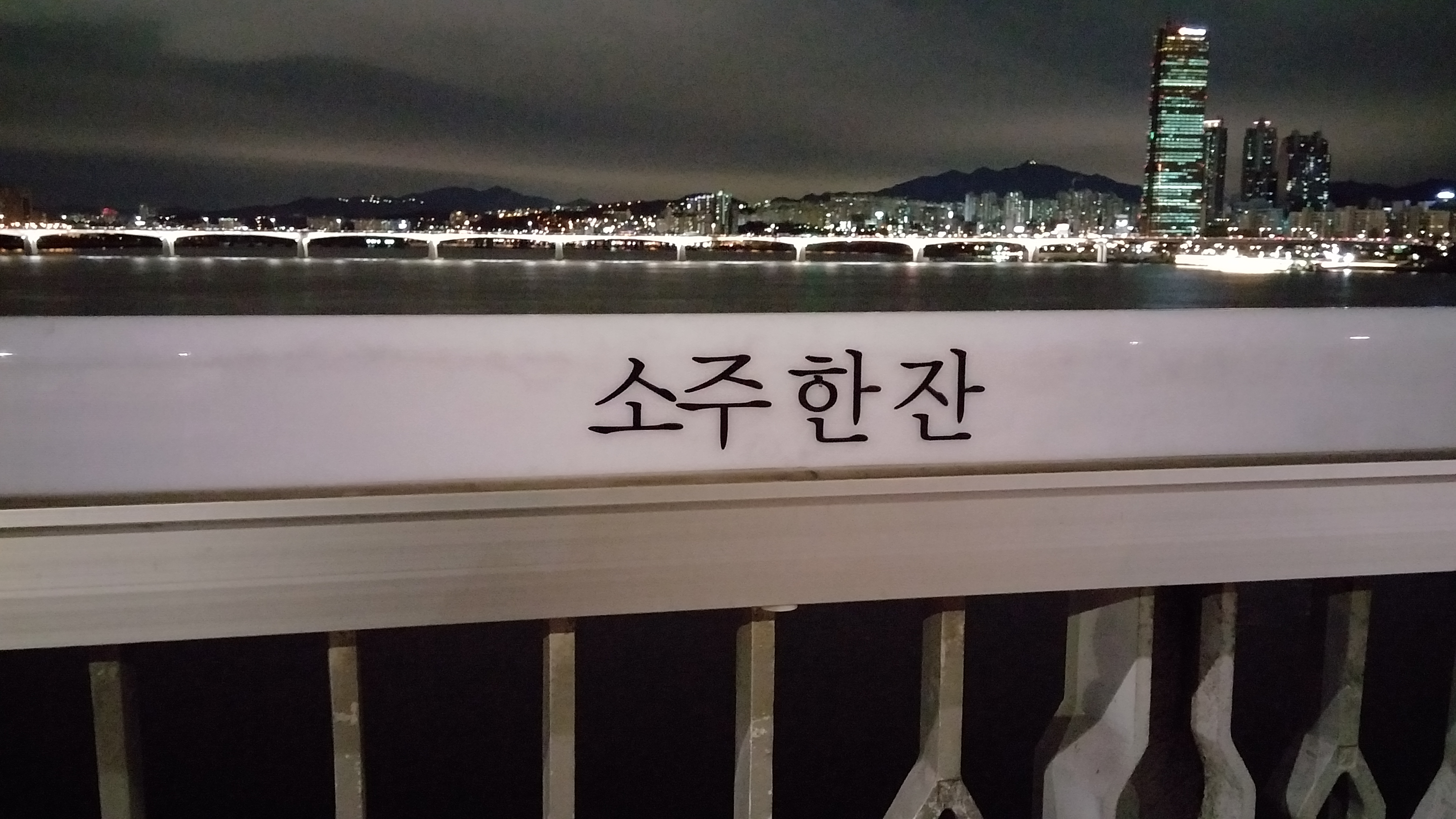
A network of AI-assisted cameras above Seoul's Han River has raised the share of people rescued from suicide attempts from about 56 percent in 2012 to more than 99 percent today. The system helps respond to more than a thousand calls each year.
Contents
A control center in Seoul monitors 17 of the 21 pedestrian bridges over the Han River using 900 CCTV cameras linked to an artificial intelligence system. When the algorithm detects someone standing too long in a designated spot on a bridge, it sends an alert to human operators, who then decide whether to dispatch emergency services. The result: the share of people rescued from suicide attempts on the bridges has risen from roughly 56-60 percent in 2012 to more than 99 percent today.
The system was described in recent days by the South China Morning Post and the Korea Times, citing data from Seoul's Hangang bridge control center. It is one of the first examples at this scale where AI neither generates content nor automates decision-making, but instead supports people in a task that was previously impossible to carry out in full: continuous, round-the-clock observation of more than a dozen kilometers of riverbank.
How the system works
On each bridge, the algorithm marks out so-called loitering zones, spots where a pedestrian lingering for an extended time is statistically unusual. When someone stays in such a zone for more than 300 seconds, the system raises an alert and a human operator zooms in on the camera feed, looking for additional signals: whether the person is crying, whether they have left a pair of shoes or a laptop on the bridge, or whether they are holding a bottle of alcohol. Only after this verification is a patrol dispatched.
The algorithm itself is not flawless: about 15 percent of alerts are false alarms, triggered by people who are simply admiring the view of the river. That's why the final decision always rests with a human, and footage is deleted after a month under South Korea's personal data protection law.
Scale of the problem in South Korea
South Korea has for years had the highest suicide rate among OECD countries. According to the organization's 2022 data, it stood at 23.2 deaths per 100,000 residents, more than double the OECD average of 10.7. The bridges over the Han River, which cuts through Seoul, have for decades been associated with suicide attempts, and Mapo Bridge even earned the informal nickname "Bridge of Life" after authorities installed signs with supportive messages along it.
We get three to four suspected suicide attempts a day that end with emergency services being dispatched. Most people give in without resistance, which means they were determined to take their own lives - Kim Jun-young, head of the Hangang bridge CCTV control center
From 56 to 99 percent
The improvement didn't happen overnight. Starting in the 2010s, the city gradually added layer after layer of prevention, emergency phones on the railings, lighting, foot patrols, and the rescue rate jumped after each of these changes, from roughly 56-60 percent in 2012 to more than 94 percent just a year later. Rolling out the AI-based system in 2021 made it possible to maintain that high level with fewer people needed for monitoring. As the cited outlets report, manually monitoring the same number of cameras would require a staff several times larger than the current 11 operators per shift.
Emergency services now typically reach the scene within a few minutes, a gap that in a crisis intervention can be the difference between life and death. City officials stress that the system does not replace the work of psychologists or social workers; its only job is to shorten the time between a threat emerging and a human physically intervening.
What this means beyond Korea
For Polish cities, the topic isn't purely theoretical. Video surveillance with elements of video analysis already operates in more than a dozen Polish towns at pedestrian crossings and in shopping centers, though usually for detecting crime rather than preventing suicide. Rolling out a similar system in Poland would require navigating RODO (Poland's implementation of the EU's GDPR) and national data protection rules, much as in South Korea, where recordings are deleted after a month.
Seoul's example also highlights another side of the debate over AI in cities. Alongside controversial applications like facial recognition or social scoring, there are deployments where AI plays a purely supporting role for emergency services while a human always makes the final call. That's a model that may be easier for the public to accept than fully autonomous surveillance systems.