News
Amazon and Apple Beat Forecasts: AWS Grows Fastest Since 2021, Tim Cook Leads Final Earnings Call
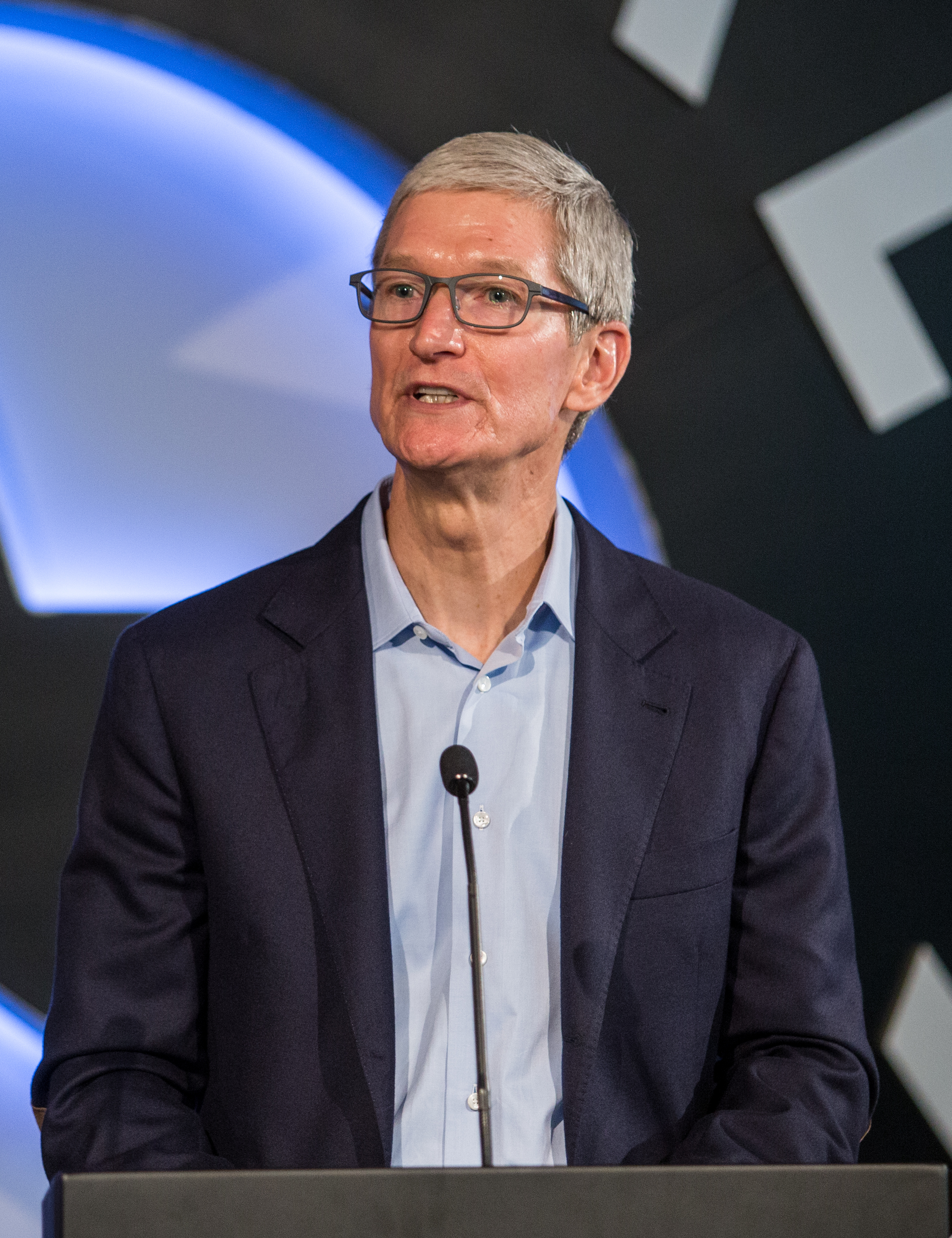
Amazon posted its fastest AWS growth in five years driven by cloud and AI, while Apple set a services revenue record on Tim Cook's final earnings call as CEO.
Contents
Amazon and Apple released their second-quarter results on July 30, 2026, confirming that investments in artificial intelligence are starting to translate into hard financial numbers. Amazon posted its fastest AWS cloud growth in five years, while Apple recorded its highest-ever services revenue on the last earnings call led by Tim Cook as chief executive.
Cloud drives Amazon's results
Amazon Web Services remains the main profit engine for the whole group. The cloud segment grew sales 37 percent year over year, reaching an annual revenue run rate of $169 billion. That is AWS's fastest growth pace in 18 quarters, and its operating margin reached 36.8 percent, ahead of Google Cloud's 35.6 percent margin in the same period.
Management pointed to AI-related services and Amazon's custom chips for training models as the drivers of the acceleration. Both businesses have surpassed a $25 billion annual revenue run rate and are growing at triple-digit rates, suggesting that enterprise customers are increasingly shifting AI workloads onto Amazon's infrastructure rather than just competing providers.
Amazon as a whole reported revenue of $200.6 billion, up 20 percent from $167.7 billion a year earlier. Operating profit grew even faster, up 43 percent to $27.5 billion, showing that the high-margin cloud business is increasingly pulling the whole company's profitability upward.
Apple's record services revenue
Apple reported revenue of $109.4 billion, up 16.4 percent year over year. The iPhone contributed the largest share, generating $54.25 billion in sales, up 21.7 percent. The Mac grew even faster, up 28.7 percent to $10.35 billion, while wearables, including watches and headphones, grew sales 6.5 percent to $7.88 billion. Only the iPad declined, down 5.9 percent to $6.19 billion.
The services segment, which includes App Store commissions, Apple Music and TV+ subscriptions, iCloud, and Apple Pay, among others, hit an all-time record of $30.74 billion in revenue, up 12.1 percent. That segment also includes the commercial agreement with Google under which the rebuilt Siri now runs on the Gemini model.
Cook's last earnings call
The second-quarter results also marked a symbolic moment for Apple. It was the last earnings call led by Tim Cook as chief executive. The company confirmed that John Ternus, the current head of hardware engineering and a 25-year Apple veteran, will formally take over on September 1, 2026.
This will be my last earnings call, John will lead the next ones. The transition is going smoothly, and I'm incredibly excited for John to step into this new role and lead Apple into its next era. He's truly exceptional, and there's no one better suited to take the helm of the company - Tim Cook, CEO of Apple
Ternus takes over the company at a moment when the services segment is setting records, but competitive pressure in artificial intelligence is mounting. Analysts have noted for months that Apple convinced the market of its AI strategy later than Google, Microsoft, or Amazon, and the decision to base the new Siri on Google's Gemini model instead of an in-house solution was a clear signal of that.
What it means for the market
Amazon and Apple's results are part of the earnings cycle for four tech giants, after which investors assess whether billions in AI infrastructure spending are actually paying off in financial results. Earlier in the same week, a similar question was raised around Microsoft's and Meta's results, where the answers were mixed.
For Amazon, the market got a clear signal: AWS's growth acceleration after years of slowdown shows that enterprise demand for cloud and AI infrastructure is not weakening, and investments in data centers and custom chips are starting to genuinely translate into margins. For Polish companies using AWS services, of which there are thousands in the country, this means continued expansion of AI-related cloud offerings and potentially more stable pricing thanks to the business's scale.
For Apple, the key question remains whether Ternus can accelerate the company's AI strategy. Record services revenue gives the new CEO financial comfort, but the pressure from rivals, who have been reporting growing revenue directly from AI-based products for months, will not disappear with the change in the chief executive's office.

