News
Al-Qaeda Trains Fighters in Drones and AI at Afghan Camps
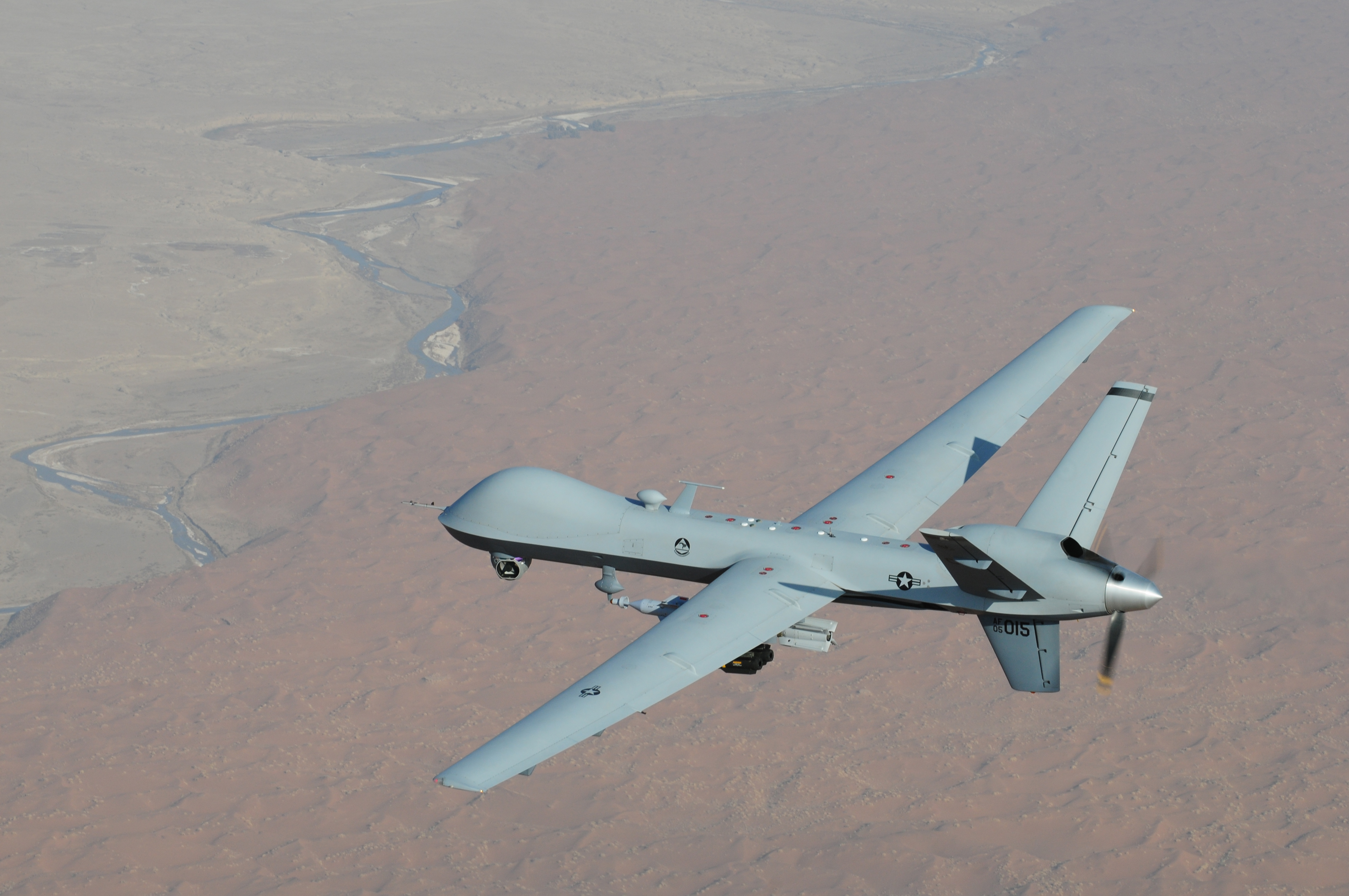
According to The Washington Post and a UN monitoring report, Al-Qaeda has opened at least eight training camps in Afghanistan over the past three years, with encryption, artificial intelligence and drones now part of the curriculum.
Contents
Twenty-five years after the September 11 attacks, Al-Qaeda is once again running training camps in Afghanistan, and the curriculum familiar from the 1990s now includes new elements: encrypted communications, artificial intelligence and drones. That is according to findings by The Washington Post, based on intelligence sources and a report from a United Nations monitoring team, as reported by Polish media on September 12, 2026.
At the core of these reports is a Washington Post article describing Al-Qaeda's return to Afghan camps abandoned after two decades of American counterterrorism operations. The paper cites American and other Western intelligence officials as well as the UN body that monitors terrorist networks. The information reached Polish audiences via a PAP wire dispatch, cited among others by the outlets Wszystko co najważniejsze and Niezalezna.pl.
New Elements in Training
The camps' core curriculum remains similar to that of the 1990s: handling firearms, working with explosives and guerrilla tactics, familiar to thousands of recruits who trained even before 2001. But according to The Washington Post and the Polish outlets citing it, that curriculum has been joined by instruction in the use of encryption, artificial intelligence, drones and other technologies that were still in their infancy in the year of the World Trade Center attacks.
The articles do not specify to what extent fighters are being trained to operate these technologies, nor whether this involves using drones as weapons, reconnaissance tools, or for AI-generated propaganda. This is a general statement about an expanded training program, based on accounts from intelligence officials rather than a public report with a full description of the methodology.
Scale and Structure of the Organization
Despite the expanded infrastructure, Al-Qaeda's core organization in Afghanistan remains small in numbers. Colin Smith, coordinator of the UN monitoring team, estimated that its tight-knit structures likely include no more than a hundred people. However, the nature of the group's activity has changed - instead of carrying out operations on its own, Al-Qaeda now serves an advisory role toward other groups.
They haven't forgotten about us - Bruce Hoffman, terrorism expert, Georgetown University
Bruce Hoffman assessed that today's groups are not pursuing the pre-9/11 strategy of striking at the so-called far enemy, meaning Western states, and are instead focusing on local and regional successes, hoping these will help them regain their former momentum.
An example of this advisory role, according to a 2024 UN report, is Kunar province, where Al-Qaeda members trained suicide bombers from Tehrik-i-Taliban Pakistan (TTP), a group seeking to build its own Islamic state, which according to the cited estimates has around seven thousand fighters in Afghanistan. Islamist training bases, belonging to various, sometimes rival groups, operate in at least fourteen of Afghanistan's thirty-four provinces.
The Taliban's Role and Leadership
The expansion of the camps was made possible by the Taliban's return to power in 2021. As the UN report put it, the Taliban created favorable conditions for Al-Qaeda, allowing the organization to consolidate its forces using safe havens and training camps spread across the country. Al-Qaeda is currently led by Saif al-Adel, an Egyptian who arrived in Afghanistan in 1988 and helped build training camps there back in the 1990s. According to the officials cited, he is likely still in Iran rather than in Afghanistan itself.
Experts also note that the priorities of groups training in Afghanistan today differ from those before the World Trade Center attacks. They are now focused more on regional conflicts, for example in Pakistan or Central Asia, than on organizing complex plots aimed directly at the United States or Europe.
What This Means for Threat Assessment
For Polish and European security services, The Washington Post's findings signal that training infrastructure in Afghanistan is being rebuilt despite two decades of counterterrorism operations, with new technologies, including artificial intelligence and drones, entering the curriculum alongside traditional military skills. However, the articles these reports are based on do not name specific intelligence officials beyond the UN's Colin Smith, and the description of AI and drone use remains general, without details on specific models or applications.