News
Andrew Ng Frames "Loop Engineering" as the New Skill for Coding Agents
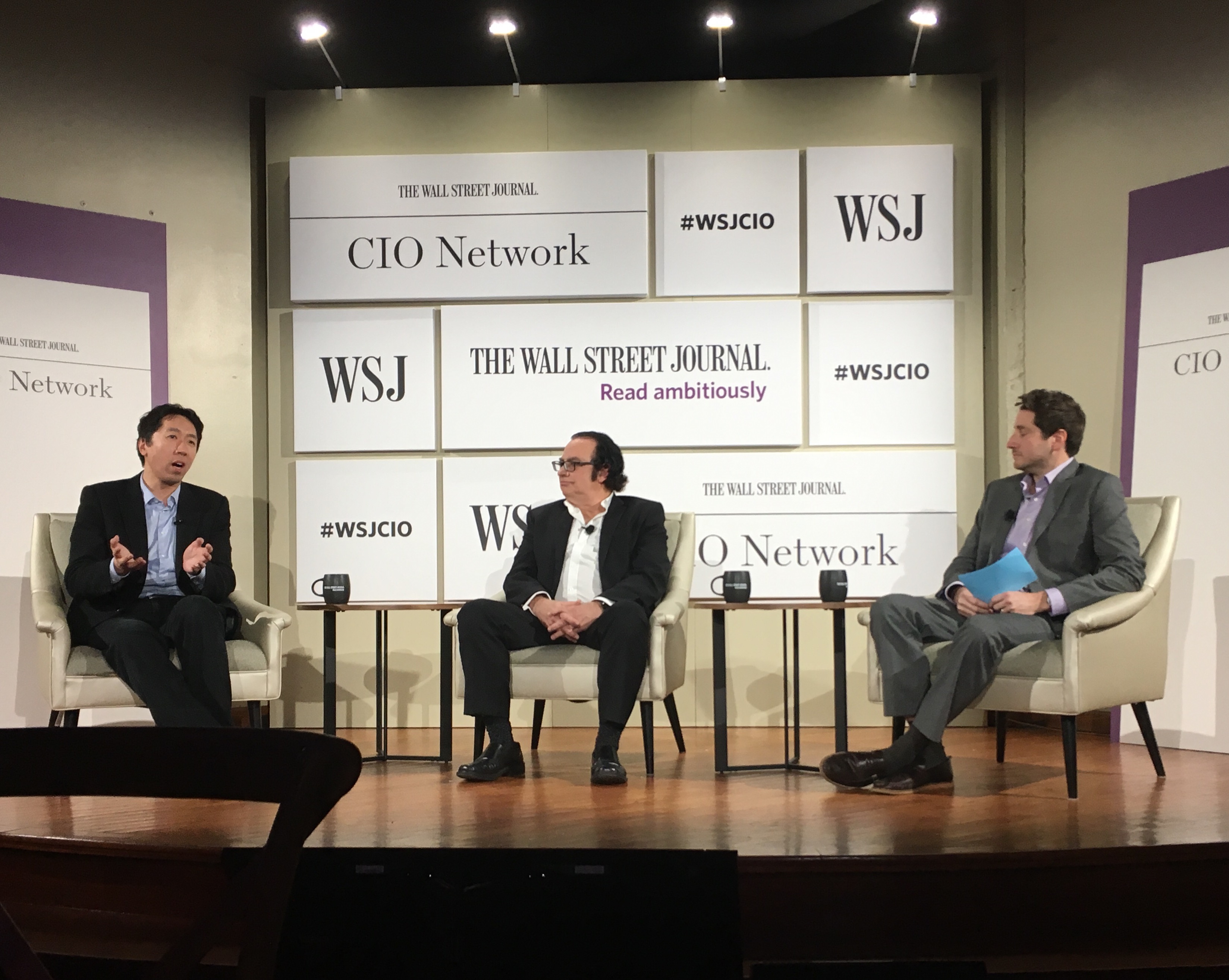
Google Brain co-founder and DeepLearning.AI's Andrew Ng has outlined "loop engineering," a framework of three nested feedback loops that he argues is replacing manual prompt writing as the key skill for working with coding agents.
Andrew Ng, co-founder of Google Brain and creator of the DeepLearning.AI education platform, devoted his latest letter in The Batch newsletter to a new approach to building software with AI agents. He calls it "loop engineering" and describes it as a set of three nested feedback loops that, in his view, replace manual prompt writing as the central skill for developers working with coding agents.
The term "loop engineering" began circulating on social media thanks to Boris Cherny, creator of Claude Code at Anthropic, and Peter Steinberger, author of the tool OpenClaw. Both developers described it as the natural successor to prompt engineering, the practice of carefully crafting instructions for language models. As the phrase spread more widely, Ng decided to give it a formal framework in his letter, read weekly by hundreds of thousands of people interested in AI development.
Three Nested Loops
The first loop, which Ng calls the agentic coding loop, operates on a timescale of seconds to minutes. The agent receives a product specification and, optionally, a set of evaluation tests, then writes code on its own, tests it, and refines it until it meets the requirements. This is the loop that has benefited most from the leap in model capability over the past year.
The second loop, developer feedback, operates on a timescale of minutes to hours. This is where the developer reviews the agent's output, corrects direction, updates specifications, and makes design decisions. Ng notes that the time needed for this function has shrunk considerably as agents have gotten better at testing their own work.
The third loop, external feedback, stretches across days or weeks. It covers gathering feedback from users, alpha testing, A/B testing, or simply asking friends for their opinion. It is the slowest of the three cycles, but according to Ng still irreplaceable, since it supplies knowledge the model has no other way of obtaining.
A Real World Example
Ng described how, over a single weekend, he built a typing-practice app for his daughter, complete with cat costumes to unlock as she progressed. The coding agent worked independently for about an hour, repeatedly opening a browser to check how the feature it had built actually looked before coming back with a question or a finished result. Ng admitted that in the meantime he changed his mind several times about the interface design and the login method for the adult supervisor.
The coding agent was free to work for about an hour, repeatedly using the browser to check what it had built before coming back to me - Andrew Ng, DeepLearning.AI
The Context Advantage
A key concept in Ng's letter is the "context advantage." Rather than thinking about the human's role in terms of technical skills that an agent might eventually take over, Ng suggests thinking instead about what the human knows that the model does not. As long as that knowledge asymmetry exists, keeping a human in the loop remains necessary, no matter how capable the agent becomes.
This shift in emphasis carries practical weight. Earlier guides on working with language models focused on crafting a good prompt, a one-off instruction meant to maximize the chance of a correct answer. Loop engineering shifts the focus to designing the entire work cycle: the checkpoints, the criteria for "done," and the way feedback flows back to the agent.
Implications for Polish Teams
For Polish software companies and teams using tools such as Claude Code, Cursor, or Codex, the shift from prompt engineering to loop engineering means organizing work differently. Instead of training developers to write precise instructions, more and more organizations are starting to invest in building evaluation test suites and clear specifications that let agents work longer without supervision.
It also marks a shift in what is expected of junior developers, who increasingly need to define success criteria and review an agent's output rather than write code line by line. Ng has been repeating in his talks for months that AI will not replace programmers, but will change the nature of their daily work, pushing it toward system design and verification rather than manual coding.
The term's popularity among the creators of the most widely used agentic coding tools suggests the concept will quickly make its way into the practice of engineering teams worldwide, including in Poland, where adoption of coding agents has been growing especially fast in recent months among product companies and software houses.
