News
Another Paper Co-Authored by Mróz-Gorgoń Reportedly Contains Over a Dozen Fictitious Sources
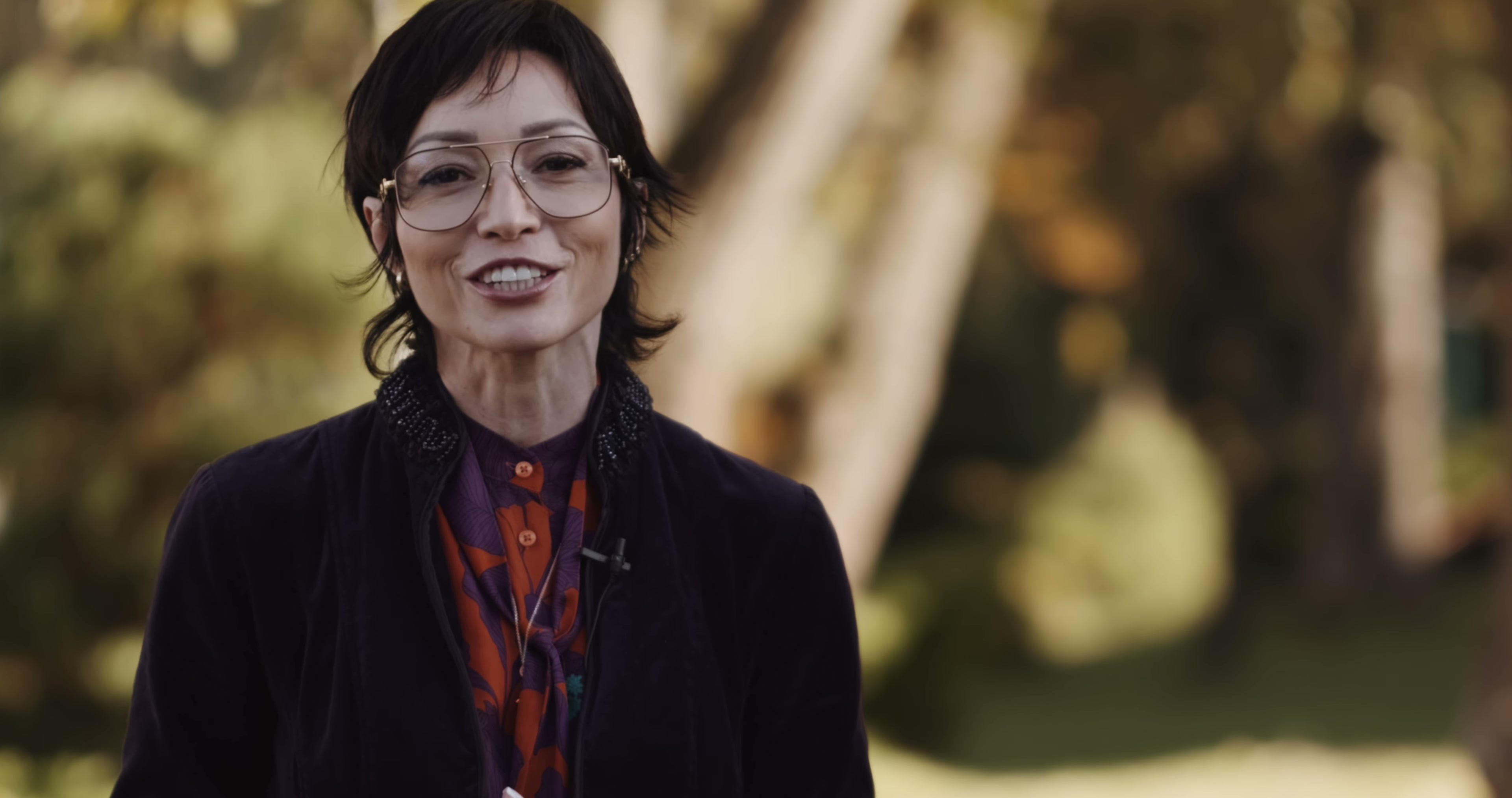
Rzeczpospolita journalists found 17 flawed footnotes out of 46 in an academic paper co-authored by Barbara Mróz-Gorgoń, including 15 sources that likely do not exist at all. The paper concerns risk management in the age of AI, which the newspaper calls a particularly telling irony.
Contents
The academic paper devoted to risk management in AI-driven organizations turned out to be riddled with traces typical of generative language model hallucinations. Journalists from Rzeczpospolita analyzed the bibliography of the text co-authored by Barbara Mróz-Gorgoń and counted more than a dozen footnotes pointing to publications that cannot be found in any academic database.
The article was published on August 27, 2026 and quickly spread through Polish media, since Mróz-Gorgoń's name has been resurfacing for weeks in connection with another scandal. That earlier case involves the government report Polaków Portret Własny (Poles: A Self-Portrait), which contained glaring factual errors, including an incorrect number of Polish Nobel laureates and the misplacement of Katowice in northern Poland.
What the Bibliography Revealed
Rzeczpospolita's journalists checked every one of the 46 footnotes in the risk management paper. Seventeen of them failed verification. Two concern works that actually exist but were described inaccurately, for example with the wrong publisher or publication year. The remaining fifteen are entries the editorial team could not find in any academic repository or publishing database.
Among the suspicious entries were a text titled Predictive Analytics in Financial Risk attributed to R. Ghosh and allegedly published in Harvard Business Review, as well as a paper titled AI for Cyber Defense described as an IBM Research publication. Both entries sound credible and fit the article's topic thematically, which is characteristic of so-called large language model hallucinations, meaning AI-generated references that look convincing but do not actually exist.
Of course, individual errors and typos can occur naturally, but a scale of errors this large can only be explained by the bibliography having been written by AI algorithms - Rzeczpospolita assesses
The Irony of the Paper's Topic
The topic of the publication itself draws particular attention. The paper, which was theoretically meant to describe the management of risks associated with implementing artificial intelligence in organizations, itself fell victim to the basic risk that comes with using generative language models without verifying their output. Standard academic peer review should catch fictitious citations before a text goes to print, but in this case that apparently did not happen.
Second Scandal in a Month
This is already the second case in a short period in which Mróz-Gorgoń's name has come up in connection with suspected unchecked use of AI. Prime Minister Donald Tusk appointed her as the government's plenipotentiary for promoting Poland's brand on July 29, 2026. She held the position for less than a month, resigning on August 21 after errors were revealed in the Polaków Portret Własny report, prepared with public funds. She herself admitted at the time that she had used artificial intelligence while creating the document.
Besides factual errors, the report also contained unnatural Polish phrasing, unfinished sentence fragments, and empty or faulty footnotes, exactly the same type of flaws now found in her academic paper predating the government scandal. The recurring pattern of errors suggests the problem was not limited to a single document prepared under time pressure within public administration, but may also have affected her earlier academic activity.
What Happens to the Paper Now
So far, neither the Wrocław University of Economics and Business nor any of the co-authors have publicly commented on Rzeczpospolita's findings. It is not known whether the university plans to launch an inquiry into academic integrity, or whether the publisher intends to retract or correct the publication. The paper appeared in Zeszyty Naukowe Politechniki Poznańskiej (Poznan University of Technology Research Papers), meaning any correction or retraction would fall under that publisher's purview.
The case lands on fertile ground in the broader discussion about academic standards in Poland, where calls are increasingly being heard for clear rules on using generative AI when writing academic papers and government documents. The Mróz-Gorgoń case shows that fictitious citations generated by language models can slip into the official academic circulation without being caught by reviewers, if no one verifies the bibliography entry by entry.
For readers following the broader issue of the reliability of AI-assisted content, this is another example that language model hallucinations, meaning the generation of convincing-sounding but false information, are not limited to simple chatbots, but can find their way into documents of major institutional importance, from government reports to peer-reviewed academic publications.