News
Apple Watch Series 12 Will Listen to Conversations and Summarize Your Day
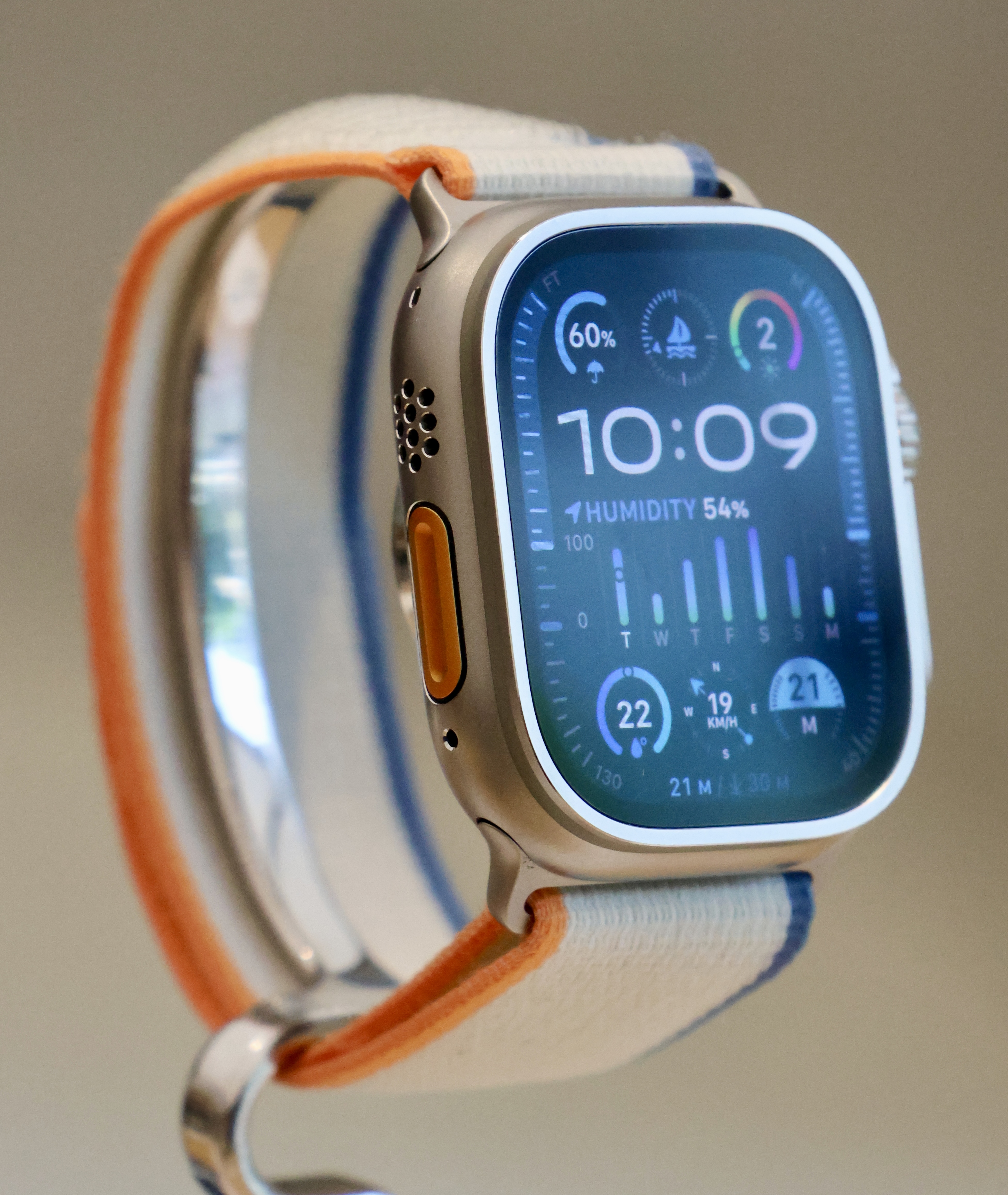
Apple's new Watch Series 12 and Ultra 4 introduce always-on ambient listening that automatically transcribes and summarizes conversations. Apple says raw audio is never stored, but experts warn the feature normalizes always-listening devices.
Apple presented new watch models on September 9, the Watch Series 12 and Watch Ultra 4, equipped with a feature set called Audio Intelligence. The watch's microphone now listens to its surroundings throughout the day, automatically transcribing conversations, detecting important sounds, and generating summaries of the user's activity without manual note-taking.
The most talked-about new feature is Siri Recap. The watch listens to conversations throughout the day, and Apple Intelligence generates a title, summary, and key points from them, which appear in the new Siri app. Users can later ask the assistant what happened on a given day without having to keep manual notes.
How the Listening Works
Alongside Siri Recap, Apple also introduced Live Rewind, a feature triggered by a double-press of the Digital Crown that displays a text transcript of the last 15 seconds of conversation. A third feature, Sound Recognition, is meant to detect important sounds from the surroundings, such as a crying baby, a doorbell, or a siren, and alert the user in real time.
All three features run on data from the watch's microphone, GPS, and other sensors, with audio processing happening locally on the new S11 chip. It's the first real change in the silicon powering the Apple Watch in three generations, which allowed the company to move most audio analysis off the cloud.
Privacy Promises
Apple stresses that the new features neither create nor store audio recordings. Raw audio is said to be inaccessible to both the company itself and third-party apps, and is deleted immediately after processing. The system also doesn't identify who specifically is speaking in a recorded conversation, and transcripts and summaries are protected with end-to-end encryption. Each feature must be turned on separately, so by default the watch is not listening.
That marks a clear difference from competing AI-based wearables, which often store recordings or full conversation transcripts on the manufacturer's servers. TechCrunch notes that competitive pressure, including fear that OpenAI might be first to roll out similar features in its own devices, may have been one reason behind Apple's rush to launch.
Critical Voices
Not every commentator is enthusiastic about the new features. TechCrunch's reporters point out that even without saving the audio itself, questions remain about how courts will treat these new text transcripts of conversations, since they aren't recordings in the traditional sense. They also cite research showing that simply being aware of being recorded changes how people behave in conversation.
Snapping up a bit of audio to turn into a transcript just by pressing the watch's Digital Crown is arguably a much subtler gesture - TechCrunch
Many consumers are nervous about a proliferation of always-listening devices - 9to5Mac
What This Means for Users
For buyers, the new watch means a real choice: whether they want their Apple Watch constantly analyzing ambient audio in exchange for automatic notes and daily summaries. The features are optional and can be turned on individually, but the mere fact that a microphone on your wrist could start transcribing a conversation at any moment changes how users, and the people around them, will think about privacy in everyday interactions.
The launch also shows that major hardware makers now see continuous ambient listening as a natural direction for wearables, alongside fitness tracking and health monitoring. It's another step toward devices meant to understand the context of a user's life, not just record steps or heart rate.