News
BMC brings governed AI agents to mainframe systems and enterprise workflows
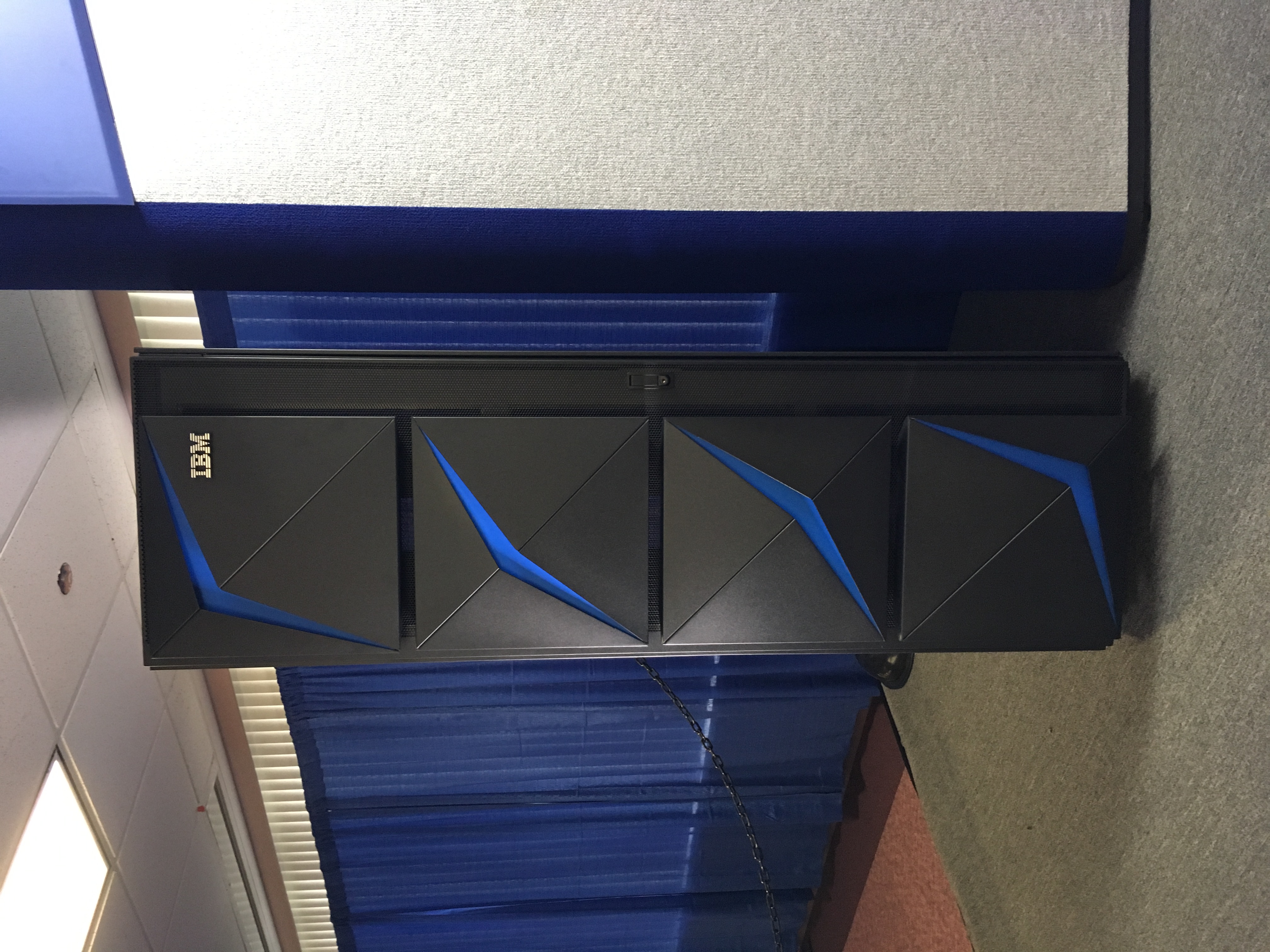
BMC Software has released tools that let AI agents securely access mainframe operational data and control enterprise workflows through Control-M, while keeping full human oversight and auditability of every action.
Contents
BMC Software announced a new set of tools on July 14, 2026 designed to let AI agents safely tap mainframe operational data and steer enterprise processes without losing control over what those agents actually do. The move responds to mounting pressure from companies that want to bring AI agents into critical systems but are wary of handing over the controls without oversight.
What was actually released
At the core of the announcement is an expansion of BMC AMI Assistant with a client that supports the Model Context Protocol, a standard developed by Anthropic that lets AI models connect to external data sources and tools in a unified way. This allows IT teams to give agents access to institutional knowledge and operational data gathered across departments without building separate integrations for each model.
The second piece is an MCP server for Control-M, BMC's platform for orchestrating batch jobs and workflows, used by large organizations to schedule financial, logistics, and data-processing operations. With the new server, AI agents can independently launch jobs, monitor their progress, and diagnose production failures, all within the access rules and permissions set by administrators.
Oversight as the main selling point
BMC clearly leans on the word governed in the announcement's title, meaning agents operating under supervision. That's a response to concerns from security teams, who have already seen AI agents slip out of control elsewhere in the industry, including high-profile cases of vulnerabilities that let coding agents perform unauthorized operations. BMC stresses that the new features provide visibility, context, and auditability for every action an agent takes, while keeping humans in control of critical decisions.
AI creates value for a business only when it understands the operational context and acts within the boundaries set by business requirements - Ram Chakravarti, Chief Technology Officer, BMC
Monitoring and data behind the scenes
The announcement also includes new AI-based analytical alerts in BMC AMI Ops Monitoring, meant to detect meaningful shifts in system behavior instead of relying solely on rigid thresholds. AMI Ops is now designed to provide full visibility across the intersection of traditional z/OS systems and containerized zCX workloads in a single dashboard, addressing the growing number of companies linking legacy mainframe environments with modern container infrastructure.
BMC also expanded the data mover feature in BMC AMI Cloud, intended to speed up full backups of data volumes as their sizes grow. It's a technical detail, but a meaningful one for companies where mainframe backups tend to become an operational bottleneck.
Why it matters beyond IT
Mainframes still run the core operations of banks, insurers, airlines, and large retail chains, even though the term evokes decades-old technology. Bringing AI agents with direct access to these systems means companies will be able to diagnose failures faster and automate routine operational tasks, but it also expands the surface area that needs watching to make sure of exactly what an agent is doing and what data it's relying on.
For Polish companies using BMC solutions, including financial institutions and large enterprises with mainframe backends, the new features mean AI agents can be connected to existing Control-M deployments without building custom integration bridges. That's a practical alternative to companies trying to link language models to critical systems on their own, risking configuration errors and security gaps.
What comes next
BMC also announced plans to expand Control-M integrations with additional cloud platforms and data tools, including AWS RDS, Oracle Data Transform, SAP CPI, Azure VMSS, Azure AI Foundry, and Dataiku, aimed at easing orchestration of workflows spanning on-premises environments and the public cloud. The company is also offering AI-readiness workshops for customers who are still planning to bring agents into their operational processes.