News
Google Launches AI Research Foundations Education Program in India, Expands Gemini Live to 25 Languages
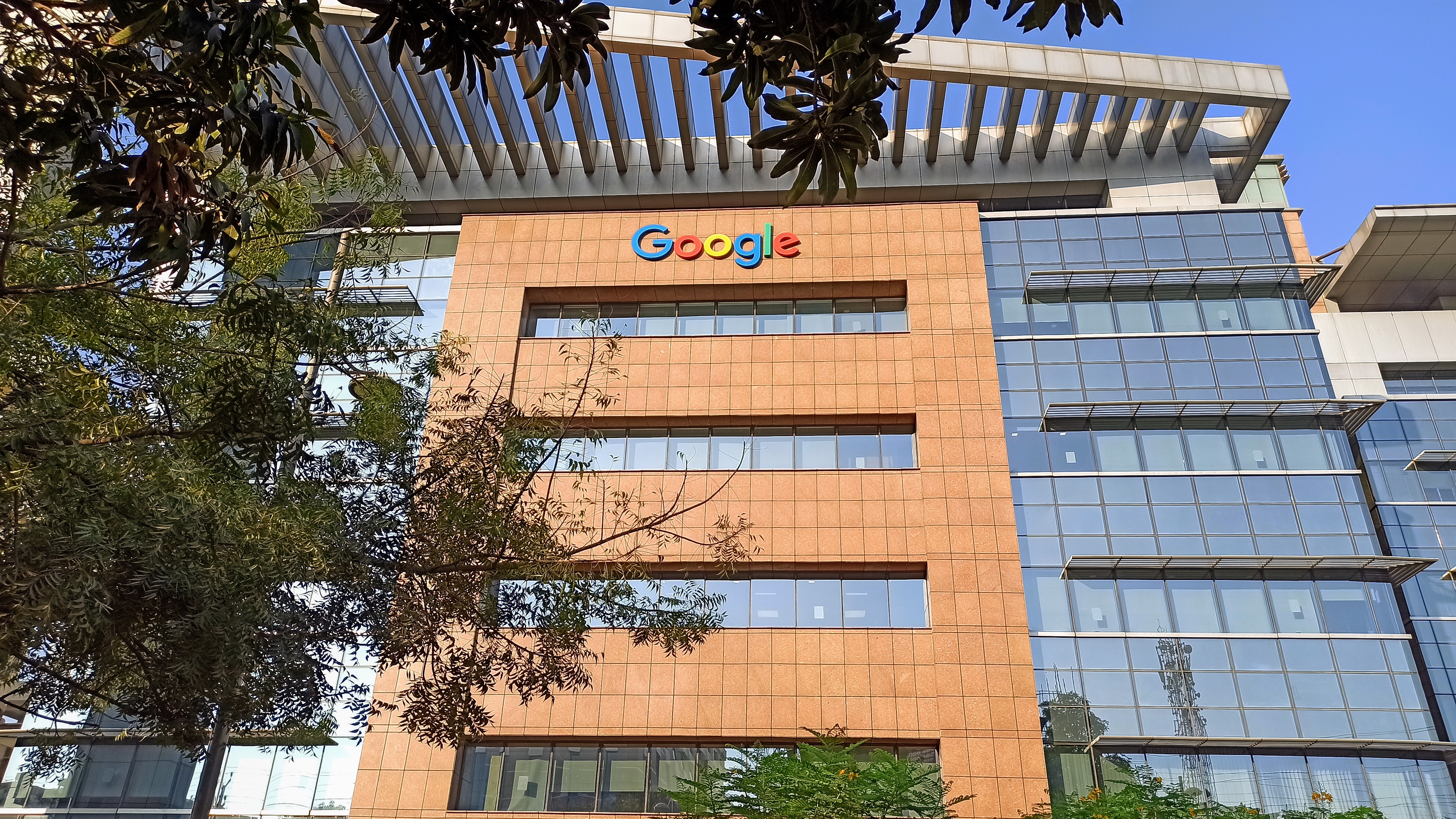
At the I/O Connect India conference in Bengaluru, Google announced a free 56-hour course on building language models, the ATL Saathi teacher assistant, and support for 25 Indian languages in Gemini Live. The company also said the Play and Android ecosystem generated $60 billion for India in 2025.
Contents
Google announced on Tuesday in Bengaluru a package of new AI programs aimed at Indian students, developers, doctors and businesses. The I/O Connect India 2026 conference brought together announcements spanning wildly different fields, from a free course on building language models to local medical tools and expanded support for regional languages in Gemini Live.
Education and AI training
The most extensive part of the announcements is the AI Research Foundations program built by Google DeepMind. It's a 56-hour, free course available through the Google Skills platform, designed to teach participants how to build and fine-tune large language models from the ground up. Google is developing the program together with the industry association NASSCOM, the Indian Institute of Science in Bengaluru, and the social investor network AVPN.
A separate initiative is ATL Saathi, a Gemini-based web app built for teachers running classes under the government's Atal Tinkering Labs program. The tool is meant to help prepare lesson content and hands-on experiments. Google said it would launch in 100 schools, with plans to expand to 10,000 institutions in later phases.
The list of education and developer programs also grew with an expansion of Google Play Academy, set to reach another 10,000 developers. Google is running the initiative in partnership with the state governments of Rajasthan, Odisha and Madhya Pradesh, showing that the company is leaning on partnerships with regional authorities rather than nationwide programs alone.
Health and local languages
On the health front, Google said researchers at AIIMS hospital in Delhi are working on tools based on the open MedGemma model, aimed at supporting leprosy diagnostics and sexual and reproductive health services. The resulting models are meant to be made available to a broader pool of Indian developers, setting the project apart from typical pilots confined to a single institution.
Google also announced that its Gemini Live voice assistant now supports 25 Indian languages and dialects, including Sanskrit, Bhojpuri and Maithili. It's a clear signal that the company treats India's linguistic diversity as a distinct competitive battleground, not just an add-on to the main English and Hindi languages.
Infrastructure for businesses
For enterprises, Google announced the availability of the Gemini 3.5 Flash model with a guarantee that data is processed exclusively within India, along with the ability to run Gemini on Google Distributed Cloud in Indian data centers, meant to make it easier to meet local data residency requirements. It's a response to growing regulatory expectations placed on companies in the financial and public sectors.
Builders in India are already deploying AI faster than almost anywhere else. As we move into the agentic era, where AI shifts from answering questions to safely carrying out tasks, we're focused on delivering the infrastructure and safeguards this ecosystem needs to scale safely - Preeti Lobana, CEO of Google India
Market scale
Google also released figures showing how important the Indian market is to the company. The Google Play and Android ecosystem generated 5.3 million rupees crore, or roughly $60 billion, for app publishers and India's economy overall in 2025. That's a 28 percent increase from the previous year, making India one of the fastest-growing mobile app markets in the world.
Those numbers explain why Google is investing simultaneously in education, health, cloud infrastructure and security instead of focusing on one flagship product. The company treats India as a market where AI adoption among everyday users and developers is growing faster than in many Western countries, and it's counting on local partnerships to lock in that advantage.
Polish perspective
For Polish companies and educational institutions, the announcements from Bengaluru are above all a template for how big tech companies approach markets outside the United States and Western Europe: free training programs, partnerships with universities and local authorities, and cloud infrastructure localized to meet national requirements. Poland is currently holding its own talks about a European AI gigafactory and developing domestic language models, but the scale of the education programs announced in India, covering tens of thousands of developers and thousands of schools, shows just how large the gap is between the investments of global corporations and local initiatives in smaller countries.
It's also worth noting the MedGemma model used by AIIMS Delhi. Open medical models made available to local research teams are a direction that could prove significant for Polish research institutions and hospitals too, should Google or competing companies decide to extend similar programs to Central Europe.