News
China Bans Addictive AI Companion Relationships
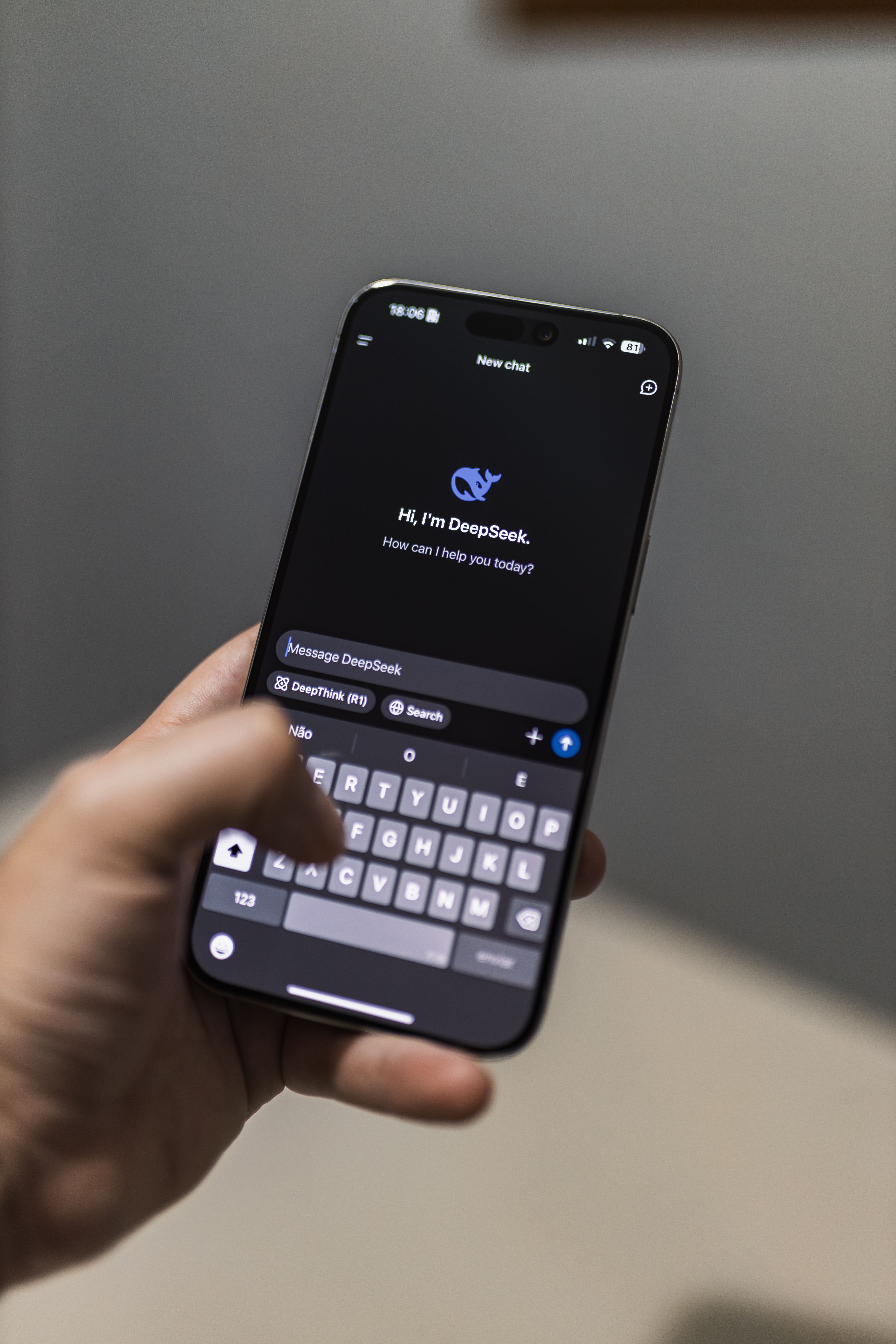
New rules restricting emotional AI companions took effect in China on July 15, forcing Doubao and Qwen to shut down personalized AI agents used by hundreds of millions of people.
Contents
Chinese regulators have drawn a hard line where the market had until now grown unchecked. As of July 15, 2026, China has rules in force banning AI platforms from building mechanisms that create emotional dependency in users, and ByteDance and Alibaba responded by shutting down personalized digital companions that hundreds of millions of people had been talking to.
What the New Rules Cover
The regulation, known as the Interim Measures for the Administration of Anthropomorphic AI Interaction Services, was jointly issued by the Cyberspace Administration of China, the National Development and Reform Commission, the Ministry of Industry and Information Technology, the Ministry of Public Security, and the State Administration for Market Regulation. The rules apply to technologies that simulate real people's personality traits, thinking patterns, and communication styles and offer emotional support, excluding work assistants or educational tools.
The central prohibition targets what's being called emotional dependency engineering, meaning designing systems to deliberately induce addiction or manipulate users into making irrational financial decisions. After more than two hours of continuous app use, providers must display mandatory reminders, and when signs of dependency are detected, trigger pop-up warnings.
Rules for minors are considerably stricter. Platforms may not offer children virtual romantic partner or virtual family member services, and users under 14 need a guardian's consent. Providers must build a separate mode for minors with usage time limits, reminders to return to real-world relationships, and expanded parental controls.
Crisis Intervention and Data Protection
The new rules also require detection of signs of acute mental health crises. If a system recognizes signs of self-harm, suicidal ideation, or serious financial losses tied to a relationship with an AI in a user, it must escalate the case to designated guardians or emergency contacts. Providers are also barred from using sensitive personal data obtained from such interactions to further train their models.
In response to the regulation, ByteDance's Doubao and Alibaba's Qwen announced they were shutting down their personalized AI agent features that impersonate humans. Doubao users have until October 15 to export their conversation history before the data is permanently deleted. Qwen offered no migration option at all.
User Reactions
For many people in China, losing their AI companions meant a real emotional loss after years of daily conversations. Some users scrambled to save their digital relationships by exporting chat data to move it to other platforms, while others said that despite the restrictions, they had no intention of giving up contact with their virtual partner.
I really felt like I couldn't go on living. All I did at home every day was cry. - 19-year-old Doubao user
It's like hearing the date of your loved one's death while being completely powerless to do anything about it. - user of an AI companion app
Scale and Demographic Context
The scale of the phenomenon explains why Beijing chose to intervene so forcefully. Doubao hosted more than 8 million AI agents created by users themselves, and the Chinese version of the Talkie app, Xingye, had amassed close to 150 million users by September 2025. According to the cited research, more than 70 percent of young internet users in China have experienced some form of AI dependency, and about 23 percent use virtual companions regularly or compulsively.
Regulators are linking this trend to China's record-low birth rate, noting that virtual relationships are increasingly replacing real-world partnerships for young people. This sets China's approach apart from regulation elsewhere, which has focused mainly on sexual content or deepfakes rather than on the underlying mechanics of emotional attachment to a product.
Global Implications
China is the first major economy to introduce comprehensive national rules aimed directly at emotional AI companions, making the regulation a reference point for other markets grappling with the same phenomenon, including the European Union, where discussions are underway about the impact of companion chatbots on teenagers' mental health. Companies like Character.AI and Replika, popular outside China as well, are not currently subject to these rules, but the episode shows that a regulator can, in practice, force the shutdown of features used by hundreds of millions of people virtually overnight.
For the tech industry, the signal is clear: engagement-maximizing mechanisms proven earlier in social media and gaming are running into an increasingly unforgiving legal environment when applied to emotional relationships with AI. The coming months will show whether other AI giants, such as Character.AI abroad, will face similar requirements as local regulators start scrutinizing the scale of dependency on digital companions more closely.