News
Chinese Memory Maker CXMT Prepares $85 Billion Stock Market Debut
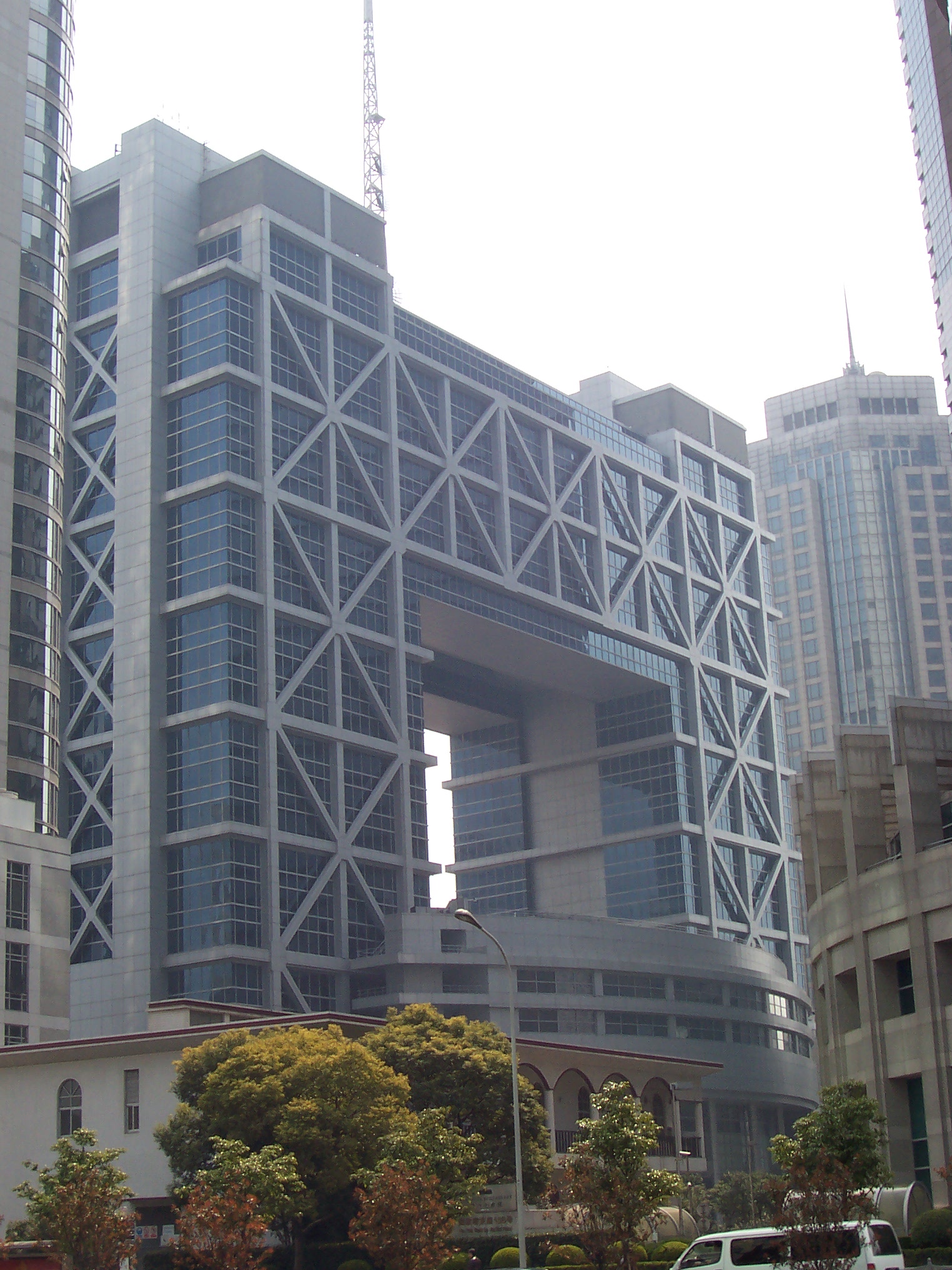
ChangXin Memory Technologies, China's largest DRAM maker, has priced shares on Shanghai's Star Market at a valuation of $85.2 billion, the largest IPO ever by a Chinese semiconductor company, fueled by demand for AI server memory.
Contents
ChangXin Memory Technologies (CXMT), the largest Chinese manufacturer of DRAM memory, priced its public offering at 8.66 yuan per share, which, with the sale of nearly 6.7 billion shares, means proceeds of about 57.9 billion yuan, or roughly $8.5 billion. The company will debut on July 27 on Shanghai's Star Market with a valuation of 579 billion yuan, or $85.2 billion.
Largest Chip IPO in China
CXMT's offering is the largest domestic share issuance in Chinese history by a semiconductor manufacturer, surpassing SMIC's 2020 debut worth 53.2 billion yuan. The company is selling 10 percent of its enlarged share capital, and the funds raised are expected to be nearly double the 29.5 billion yuan the company originally stated for investment in its prospectus.
Most of the capital raised will go to production facilities in Hefei, Anhui province, where CXMT is headquartered. According to market reports, about 13 billion yuan will fund upgrades to DDR5 and LPDDR5X processes, with another 9 billion going toward research on next-generation memory. The remaining funds are meant to finance the expansion of production lines.
AI-Driven Demand
CXMT's sharp jump in revenue and profit stems directly from the boom in memory needed to train and run artificial intelligence models. The company's revenue in the first quarter of 2026 rose 719 percent year over year to 50.8 billion yuan, and forecasts for the full first half point to revenue growth of more than 600 percent and net profit of 50-57 billion yuan.
DRAM is memory that temporarily stores data that computers, smartphones and AI servers need to access quickly. Rising demand for such memory from data centers has driven record prices on the global market in recent months, a trend benefiting all major manufacturers, not just CXMT.
Memory supply is still insufficient - semiconductor industry analyst quoted by Business Korea
Competing With Korea and the US
For years CXMT was seen as a technological laggard compared with global leaders Samsung and SK Hynix. The company still lags them in producing HBM memory, crucial for training advanced AI models, since manufacturing it requires processes refined over decades. The US Department of Defense last month added CXMT to its list of "Chinese military companies," and export restrictions, including those from the Netherlands' ASML, cut the company off from the most advanced EUV lithography equipment. As a result, CXMT must base production on older multi-patterning DUV technology, which, according to industry reports, creates chronic production yield problems.
Despite these constraints, CXMT plans to increase production capacity to 350,000 wafers per month by the end of 2026 and to 500,000 by 2028, which would bring it close to the world's third-largest producer, US-based Micron, which currently processes about 385,000 wafers per month. CXMT's debut comes weeks after SK Hynix carried out its own record IPO on the Nasdaq, raising $26.5 billion for AI chip memory.
What It Means for the Market
CXMT's growing position matters beyond the company itself. Beijing has for years pushed for technological independence in memory production, and CXMT's stock market success shows that Chinese manufacturers can grow even under US export sanctions, riding the same global AI memory boom that is pushing up RAM and SSD prices worldwide. For global chipmakers, this means a new, increasingly strong competitor in the DRAM market, though still without a real offering in the HBM segment.
For Polish companies and consumers, the direct impact of this event is limited, but it indirectly fits into the broader trend of rising RAM and SSD prices seen worldwide for months, driven by demand from AI data centers. More players in the DRAM market could mean greater supply in the long run, but in the short term, demand from hyperscalers building AI infrastructure still outstrips manufacturers' capacity.