News
Google DeepMind Chief: Deep Technical Knowledge Gives a 10x Edge in Working with AI
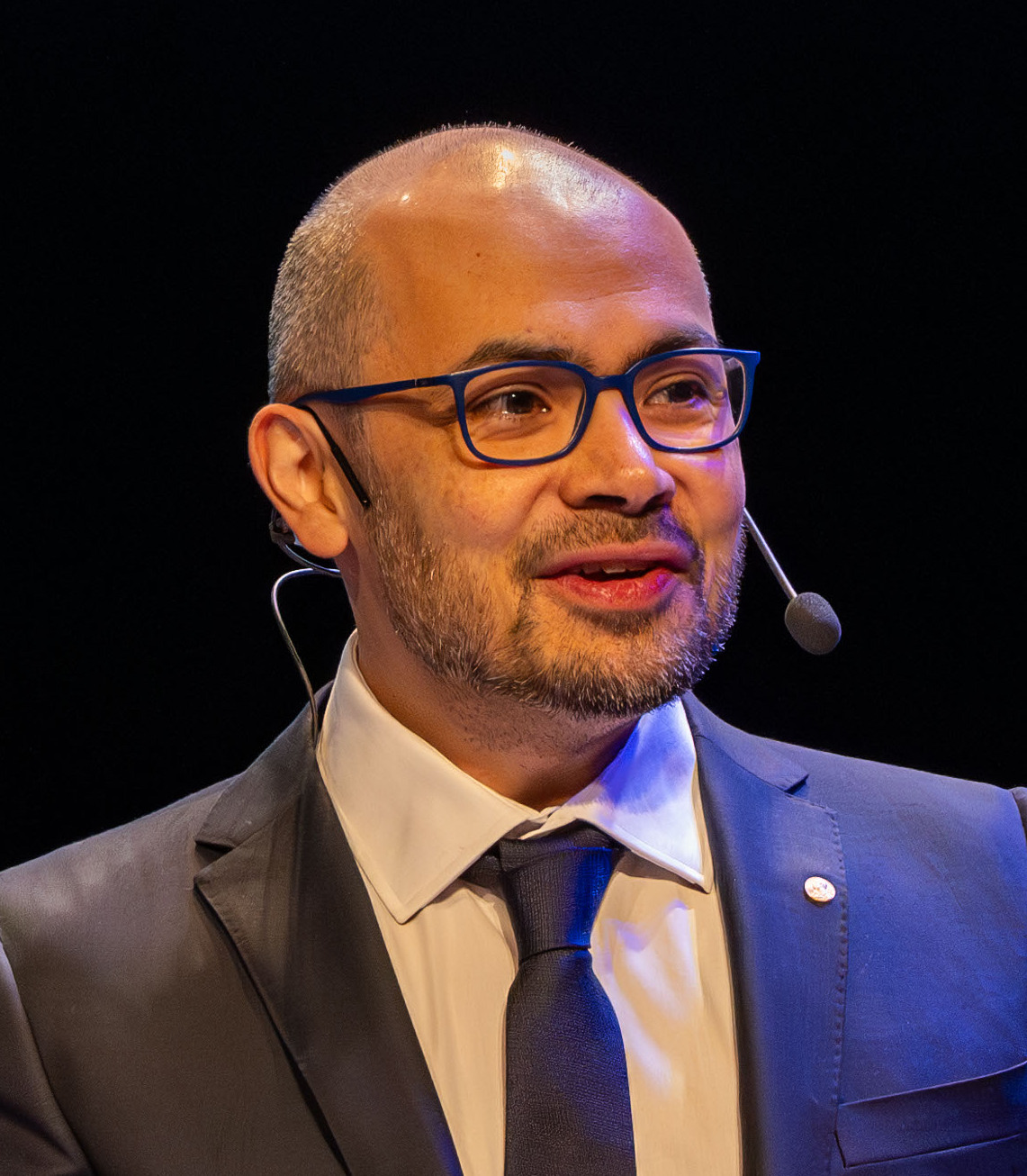
Demis Hassabis is urging students not to abandon STEM degrees, arguing that a solid grounding in computer science lets people use AI tools up to ten times more effectively than those without it.
Contents
Google DeepMind chief executive Demis Hassabis said at a business conference in London that STEM students who have a strong grasp of computer science will be able to use artificial intelligence tools ten times more effectively than those without that background. The remarks, published on July 17, 2026, add to a months-long debate over whether computer science and engineering degrees still make sense in the era of generative models.
What Hassabis Said
According to accounts from the conference, Hassabis addressed head-on the concerns of students wondering whether choosing computer science or engineering still makes sense now that AI models write a significant share of code for programmers. His answer was unambiguous: the fundamentals still matter, and those who know them gain an edge that is no smaller, but larger, than before.
Those people who understand the deep technical, they'll be able to use these tools 10 times more effectively than people who don't have that technical knowledge - Demis Hassabis, CEO of Google DeepMind
Hassabis added that despite the growing role of coding assistants, the ability to design system architecture and apply good software engineering practices is still needed. In his view, AI doesn't replace that knowledge, it just changes the form in which programmers draw on it.
You absolutely needed to lean into STEM and computer science - Demis Hassabis, CEO of Google DeepMind
Programming Changes Its Language, Doesn't Disappear
Hassabis described the evolution of programming as a progression through successive layers of abstraction: from machine code, through high-level languages like Python, to natural language, which is increasingly used today to direct AI models. In his framing, natural language is simply another, higher level of programming language, not the end of programming as a discipline.
That distinction has practical weight. Someone who understands what's happening under the hood of AI-generated code can spot a bug faster, judge a solution's performance, or design a system so it can be maintained later. Without that knowledge, AI tools become a black box that's harder to extract full value from.
Not Just STEM Fields
At the same time, Hassabis stressed he isn't urging students to abandon the humanities and social sciences. In his view, the era we're entering will need people who understand ethics, philosophy and the social consequences of technology at least as much as it needs engineers.
I think we really need them in the world we're about to enter - Demis Hassabis, CEO of Google DeepMind
Hassabis's position fits into a broader pattern of statements from industry leaders seeking to ease fears that technical degrees are pointless. According to reports from the conference, Geoffrey Hinton, regarded as one of the pioneers of deep learning, expressed a similar view, as did investor and entrepreneur Max Levchin, co-founder of PayPal.
What This Means for Poland
For Polish students and people considering a career change, Hassabis's remarks are an argument against abandoning computer science degrees altogether in favor of courses that teach only 'prompting.' In Poland, the topic resurfaces regularly alongside reports on AI's threat to jobs, including estimates from the Polish Economic Institute (Polski Instytut Ekonomiczny, a Warsaw-based economic think tank) and the IMF suggesting as many as several million jobs could be at risk over the next decade.
Recruiters at Polish tech companies are increasingly signaling that they expect candidates not just to be fluent in using AI tools, but to understand what those tools are doing underneath, especially for junior roles, where the number of entry-level programming job postings has been steadily declining.
This isn't the first time Hassabis has made this point. The DeepMind chief has previously emphasized the value of a solid technical education during university visits, including in India. Repeating it in London suggests that for the heads of the largest AI labs, this is a message they intend to keep delivering as a fixture of their public appearances, regardless of how fast successive models advance.