News
Designer Used AI to Recreate 1,300 Victorian Natural History Illustrations
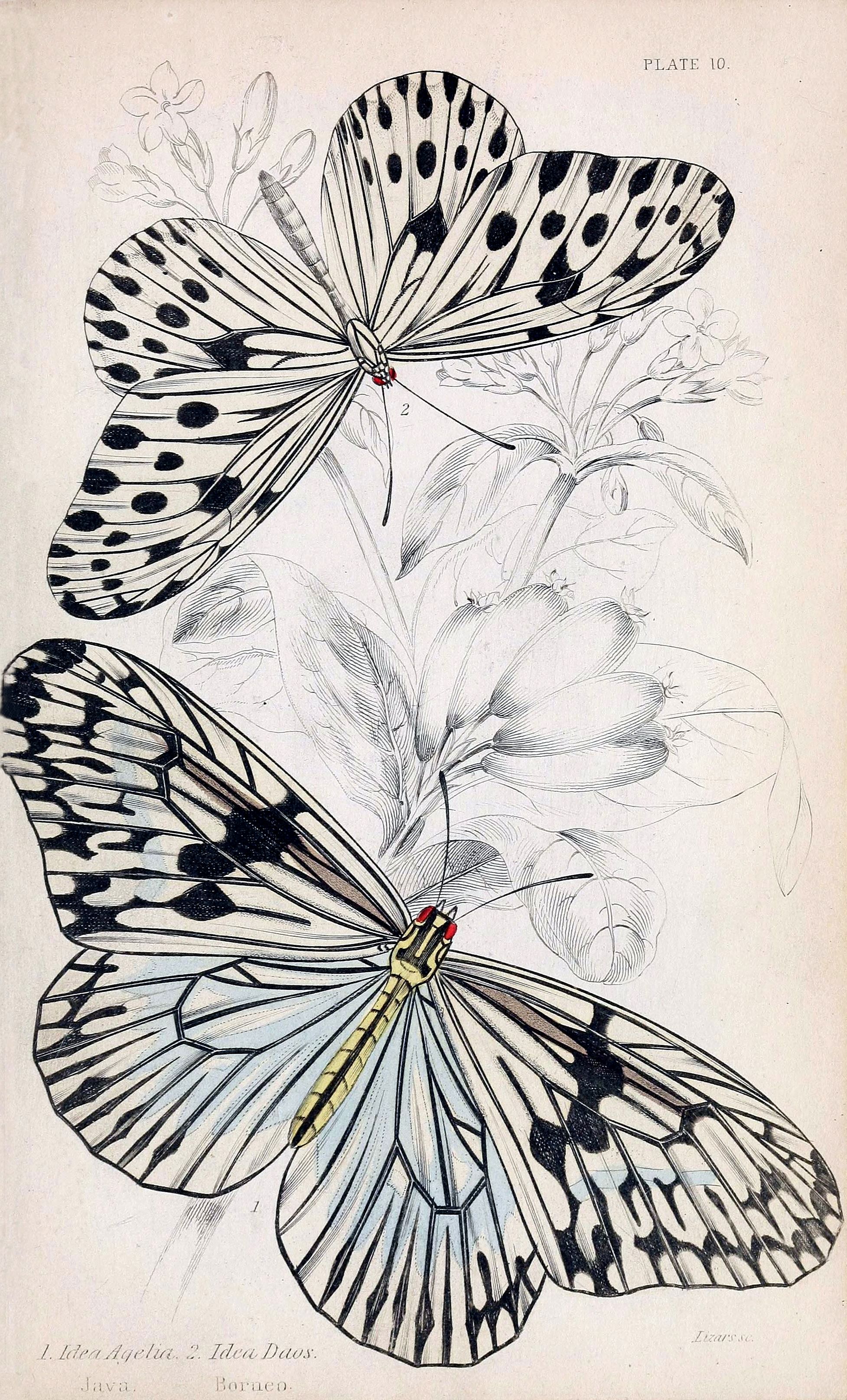
Nicholas Rougeux has released a free digital reconstruction of "The Naturalist's Library" from 1833-1843, featuring more than 1,300 plates of birds, mammals, insects and fish. Gemini, ChatGPT, Firefly and Claude helped him track down sources, stitch together scans and write descriptions for the collection.
Contents
American designer Nicholas Rougeux has published a complete digital reproduction of "The Naturalist's Library," a Victorian-era publishing series from 1833-1843 that includes more than 1,300 hand-drawn animal plates. The entire collection is available for free on his website, c82.net, and he repeatedly turned to AI tools throughout the process of reconstructing and describing the archive.
From discovery to publication
Rougeux, previously known for digital reconstructions of Euclid's "Elements" and the work of Pierre-Joseph Redouté and Elizabeth Twining, described the whole process in a lengthy blog post titled "Making of The Naturalist's Library." He says AI tools were the first thing to draw his attention to the series, and later helped him search sources and fill in gaps in his knowledge about individual volumes.
"The Naturalist's Library" was a 19th-century publication by William Jardine, published by his brother-in-law William Home Lizars in Edinburgh. The series aimed to bring the natural world closer to the Victorian middle class; each of the 40 small-format volumes cost six shillings and contained 30-37 plates with species descriptions and a biography of one of the era's leading naturalists.
Where AI actually did the work
Rougeux details exactly where AI genuinely lightened the manual workload. While designing the cover for the printed edition, he spent about a month experimenting with the image generators Gemini, Adobe Firefly and ChatGPT, asking them for motifs from all four animal groups. In the end, though, he designed the final cover himself, drawing inspiration from one of the generated images and from covers of classic natural history books he found on Pinterest.
Early on, I played a lot with Gemini, Firefly, and ChatGPT to brainstorm ideas - Nicholas Rougeux, designer
Two plates, depicting Ornithoptera butterflies and a Hyalophora cecropia moth with its caterpillar, were too large to fit on a single page of the original, so they existed only as two separate scans. Rougeux merged them into one image, combining manual retouching with Photoshop's generative tools.
Plate descriptions and a database crash
The most labor-intensive part of the project was writing descriptions for each of the more than 1,300 plates, along with all the bibliographic sources used in the reconstruction. These summaries, visible next to every illustration on the collection's website, were generated by Gemini, since manually summarizing that many sources would have been, as the author admits, essentially impossible.
AI also played a rescue role. Rougeux accidentally deleted all the plate descriptions in his database before he had a chance to back it up. Thanks to the consistent structure of his HTML files, he was able to point Claude to the original descriptions, and the model regenerated and compiled them again in a spreadsheet.
Claude was a lifesaver when I accidentally deleted all the illustration summaries in my database before I made a backup of the data - Nicholas Rougeux, designer
According to the author, a process that would have taken weeks by hand was wrapped up in about an hour of data regeneration and a single day of repopulating the database. It shows how large-scale archival projects, which once required months of team effort, can now be carried out by a single creator with the help of several different AI models, each used in turn for specific, narrow tasks.
What it means for heritage digitization
Rougeux's project fits into a growing practice of using generative AI not to create new content, but to support work on public-domain source material, searching for historical context, repairing damaged scans and organizing metadata. Unlike the heated disputes over training models on other people's work, this kind of use raises no copyright controversy, since the original illustrations have long been public property.
For cultural institutions and digital libraries, including in Poland, this case demonstrates a practical model for combining AI tools with traditional design craft when digitizing archives. The full collection, along with a description of the methodology, remains freely available on the author's website.