News
European Union Delays AI Act Deadlines, Speeds Up Content Labeling Rules
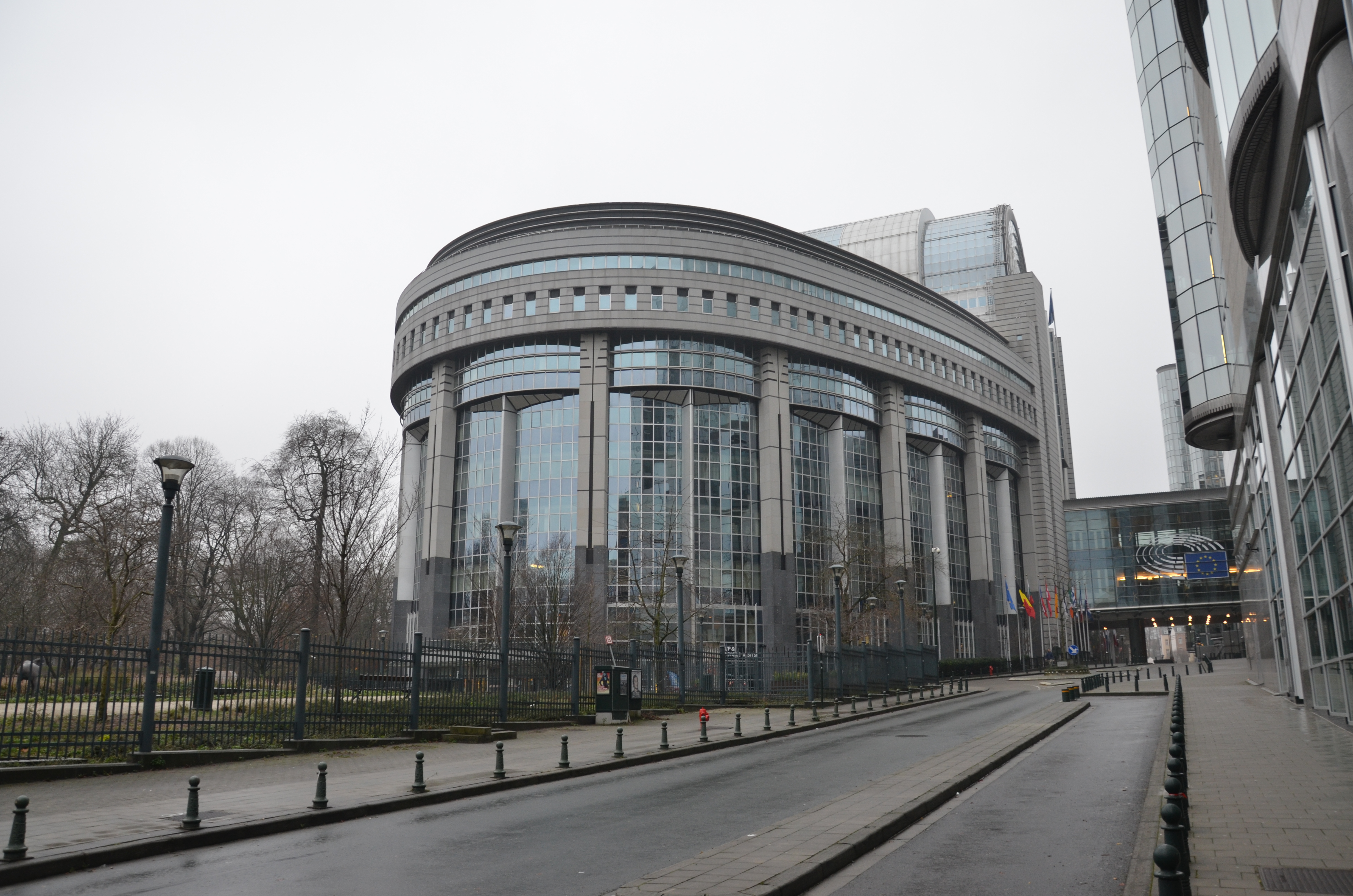
The Council and European Parliament approved the Omnibus VII package, giving companies more time to implement rules for high-risk AI systems while accelerating the requirement to label AI-generated content.
Contents
Companies deploying high-risk artificial intelligence systems in the European Union have been given an extra year, in some cases two, to comply with the AI Act. The Council of the European Union formally adopted the package known as Digital Omnibus VII on June 29, 2026, changing the timeline for when key obligations under the regulation take effect. At the same time, some requirements, particularly those concerning the labeling of AI-generated content, will start applying sooner than originally planned.
What exactly is changing
Omnibus VII is part of a broader overhaul of EU digital rules aimed at simplifying regulation without abandoning its substance. The most noticeable change concerns the high-risk systems listed in Annex III of the regulation, those used in recruitment, credit scoring, education, law enforcement and border management. Companies using such systems were originally supposed to be ready by August 2026; they now have until December 2, 2027.
For AI systems that function as safety components in products already regulated under other EU sector-specific rules, for example in machinery, toys or medical devices, the deadline was pushed back even further, to August 2, 2028. It was precisely the classification of these Annex I systems that was disputed during the negotiations, ultimately resolved in favor of a longer transition period.
What can't wait
Not all obligations were postponed. The European Commission and Parliament negotiators concluded that transparency around AI-generated content and protection against serious abuse require immediate action. That's why the requirement to label content produced by AI systems will take effect as early as December 2, 2026, sooner than most other provisions of the regulation.
The package also adds a new provision to Article 5, explicitly banning AI systems used to generate child sexual abuse material and intimate images without the consent of the people depicted, covering images, video and audio. This ban is treated as particularly urgent, hence the accelerated timeline relative to the rest of the regulation.
What it means for Polish businesses and agencies
For Polish companies and public institutions, the change brings real breathing room, but not an exemption from the obligations. Polish legal media note that some public agencies still aren't sure whether they even use systems that qualify as AI under the regulation, something the extra year or two of preparation time could help sort out. At the same time, companies planning marketing communications or AI-generated content aimed at customers should already be preparing for the labeling requirement, since December 2026 is closer than it might seem.
Experts in emerging technology law stress that pushing back the deadlines isn't a retreat from regulation, but rather an adjustment of the timeline to match the actual readiness of the market and of supervisory authorities to enforce the rules. For compliance departments, though, this means tracking two calendars at once, some obligations follow the old schedule, others the new, accelerated one.
What's next
The Council's formal adoption of the text on June 29, 2026 closes the legislative procedure at the EU level, but member states, including Poland, still need to align their national supervisory authorities and implementing rules with the new calendar. In the coming months, the European Commission is expected to publish implementing guidelines clarifying how to classify Annex I and Annex III systems in practice, which will be key for companies planning high-risk AI deployments in Poland.
Sources: AI Act after Omnibus VII (edgp.gazetaprawna.pl), Digital Omnibus on AI Provisional Agreement (twobirds.com), Artificial Intelligence: Council and Parliament agree to simplify and streamline rules (consilium.europa.eu)