News
Media Sue OpenAI, Seeking Sanctions Over Alleged Evidence Concealment
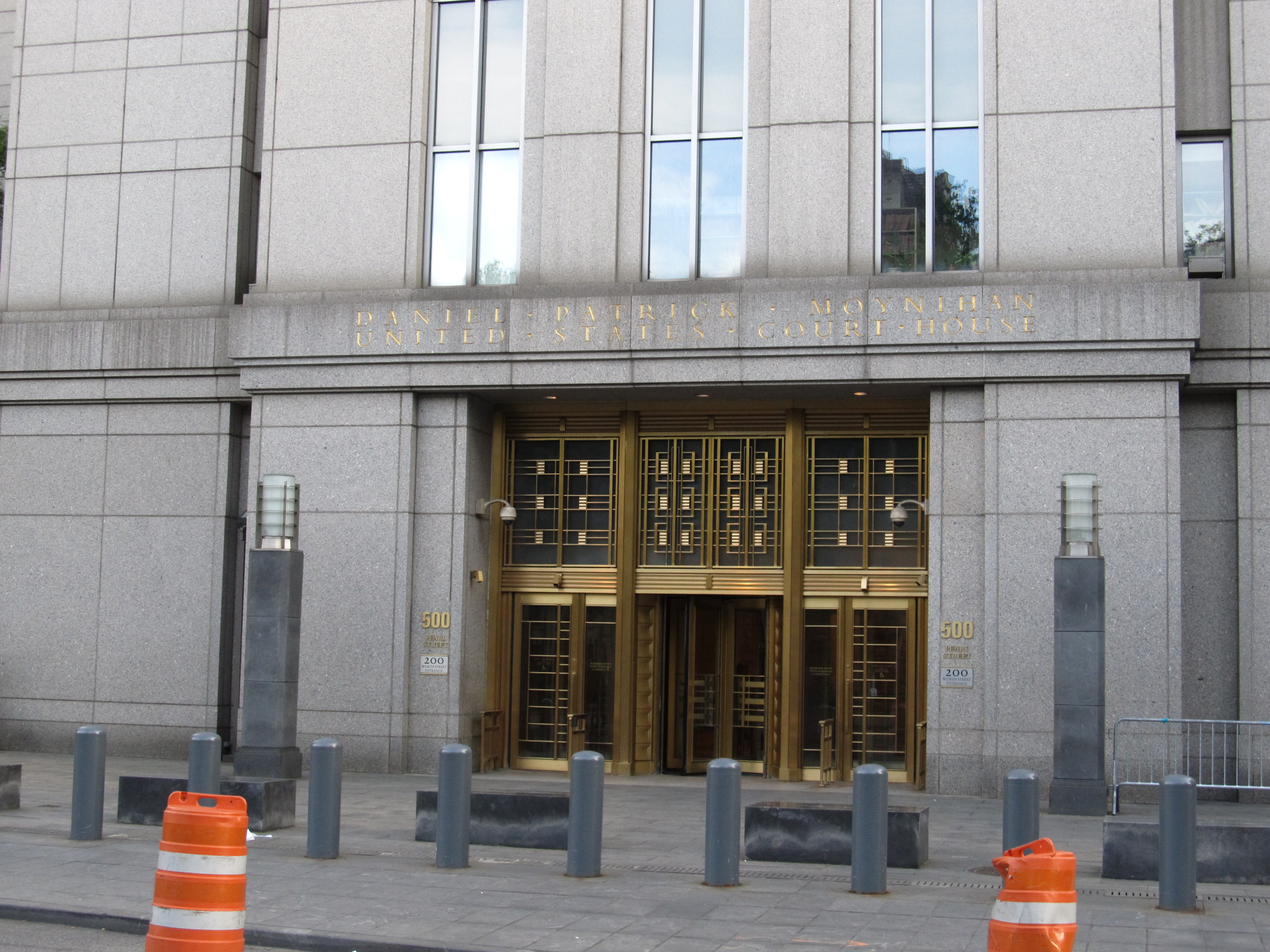
The New York Times, Daily News and other outlets have filed a motion seeking sanctions against OpenAI over alleged concealment and destruction of evidence in the lawsuit over the use of news articles to train ChatGPT. The litigation alone has already cost the Times more than $28 million.
Contents
A group of American publishers led by The New York Times filed a motion in federal court in Manhattan seeking sanctions against OpenAI. The company is accused of misleading the court and the plaintiffs for more than two years about its ability to search training data and ChatGPT logs for stolen news articles.
The dispute has been running since 2023, when The New York Times, Daily News and other outlets sued OpenAI and Microsoft, alleging the companies used millions of news articles to train their AI systems without consent or compensation. The case is widely seen as one of the most important legal tests for the entire generative AI industry, since its outcome could set the rules under which language models may use copyrighted content.
What the Publishers Allege
The core of the new motion concerns how OpenAI responded to evidence disclosure requests. The company long maintained it lacked the tools to search its training data sets and generated-response logs for specific texts belonging to the plaintiffs.
Later deposition testimony from an OpenAI employee reportedly contradicted this. The employee admitted the company had in fact run multiple searches of its data sets for content belonging to the plaintiff publishers, directly conflicting with earlier statements made to the court.
For over two years, OpenAI has lied to The Times, the Daily News plaintiffs, the public, and the Court. - Ian Crosby, lead counsel for The New York Times
OpenAI has spent two years making false representations about its ability to search for copyrighted content in its training data sets and logs. - Steven Lieberman, attorney for the New York Daily News
The Fight Over Documents
The battle over access to ChatGPT logs has dragged on for months. In the summer of 2025, the plaintiffs requested a sample of 120 million user conversation logs. OpenAI then proposed 20 million logs, equivalent to 0.5 percent of retained data, which the plaintiffs accepted.
In the fall, however, OpenAI backed away from that offer, refusing to hand over the full sample and instead proposing to provide only the results of its own searches. In November, Magistrate Judge Ona Wang ordered the release of all 20 million anonymized logs, and in December she denied OpenAI's motion to reconsider that ruling. In January 2026, Judge Stein upheld the decision, finding OpenAI's user-privacy arguments insufficient given the data's importance to the case.
What the Publishers Are Seeking
In the new motion, the plaintiffs ask the court to sanction OpenAI for what they call deliberate obstruction of the discovery process. They are seeking reimbursement of legal fees and a formal court finding that the ChatGPT logs demonstrate improper use of the plaintiffs' texts.
OpenAI did not publicly respond to the sanctions motion at the time of filing. Company spokespeople did not respond to requests for comment from U.S. media on the day the motion was published.
Stakes for the AI Industry
The outcome of this case will matter far beyond OpenAI itself. Publishers worldwide, including in Poland, are watching the American proceedings as a template for their own claims against companies developing large language models. Should the court find that OpenAI deliberately concealed evidence of using others' texts, it could strengthen publishers' negotiating position in talks over licensing content for AI training, including outside the United States.
Sources: News outlets urge a judge to sanction OpenAI in a high-stakes AI copyright fight (winnipegfreepress.com), New York Times-led group asks court to sanction OpenAI in US copyright dispute (wmbdradio.com), OpenAI Must Turn Over 20 Million ChatGPT Logs, Judge Affirms (news.bloomberglaw.com)