News
Polish General: AI Doesn't Need to Malfunction to Kill an Innocent Person
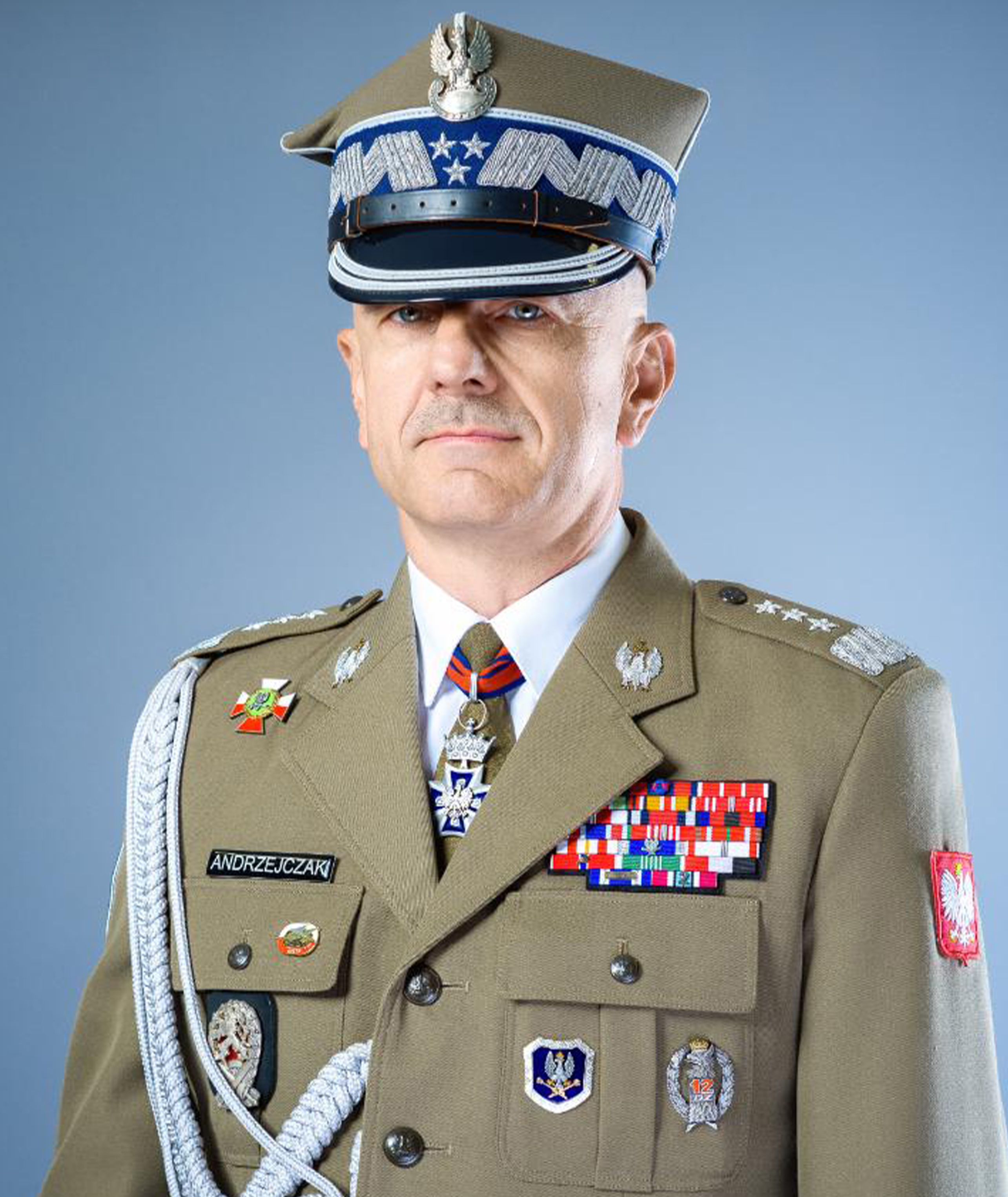
Former Polish Armed Forces Chief of Staff Gen. Rajmund Andrzejczak tells philosopher Prof. Aleksandra Przegalińska that the biggest danger of battlefield AI isn't algorithmic error, but the rules and acceptable-loss thresholds humans set beforehand.
Contents
Artificial intelligence doesn't need to make a mistake for an innocent person to die in war, says Gen. Rajmund Andrzejczak, who served as Chief of the General Staff of the Polish Armed Forces from 2018 to 2023, in a conversation with philosopher and technology researcher Prof. Aleksandra Przegalińska. The interview opens a new series called "Znam Przyszłość" ("I Know the Future") on the ZNAM channel and tackles the question of who bears responsibility when a system armed with algorithms acts on bad input data.
The conversation starts from the question of whether artificial intelligence merely changes how war is waged, or changes the very nature of war itself. Andrzejczak pushes back against technological enthusiasm, noting that war has followed similar rules for centuries, regardless of the tools used to fight it.
War stays the same all the time - Gen. Rajmund Andrzejczak
Where the risk lies
The general explains that the most serious danger tied to algorithmic target selection doesn't lie in a system malfunction or technical error. Software can work exactly as programmed and still lead to the death of an innocent person. What matters is who set the rules of the game beforehand, and how: what data counts as sufficient grounds for a strike, what priority level gets assigned to particular targets, and what threshold of collateral damage is deemed acceptable.
The conversation raises the example of targeting based on a mobile phone signal. Geolocation data can be technically flawless and still lead to a false conclusion if a person's phone ends up in someone else's hands, say, borrowed or stolen. In that situation the AI system doesn't make a computational error, it simply processes exactly the data it was given.
Who answers for the algorithm
That shifts the weight of responsibility from the machine to the people who design the system's rules, set alert thresholds and decide how much uncertainty is acceptable before an order is given. Andrzejczak and Przegalińska also discuss whether removing a soldier from the direct front line actually makes war safer, or whether it does the opposite by lowering the threshold for using force, since no one is risking their own soldiers' lives.
The topic isn't purely theoretical. Autonomous reconnaissance and target-tracking systems are already part of the military doctrines of many countries, and the debate over legal responsibility for algorithmic decisions is playing out in parallel on international forums, including UN and Red Cross appeals for restrictions on autonomous weapons.
A new format on technology
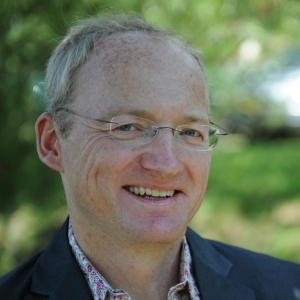
"Znam Przyszłość" is a new interview series from Prof. Aleksandra Przegalińska, a philosopher and technology researcher who publicly examines how artificial intelligence affects the state, the economy, science, culture and everyday life. The conversation with Andrzejczak opens the series as its first episode, dedicated to war and security.
Choosing the general as the first guest is no accident. As Chief of the General Staff, he oversaw a period of intensive modernization of the Polish Armed Forces, including the development of systems that merge data from sensors, drones and intelligence into a single algorithm-supported situational picture. That experience gives him the perspective of a practitioner, not just a technology commentator.
Why it matters for Poland
For Polish readers, the conversation matters because questions about responsibility for algorithmic decisions stop being abstract once the Polish military itself is investing in AI-based command systems and the integration of data from multiple sources, including satellites. The question of legal liability for AI system errors is also emerging in civilian regulation, which in Poland is only now taking shape as the EU AI Act is implemented.
The Andrzejczak-Przegalińska conversation doesn't resolve these questions, but it shows that in the military, as in business or government, the core problem isn't the technology itself but the rules under which people let it act on their behalf.