News
Hassabis's Self-Regulatory AI Oversight Plan Gains Traction in Washington
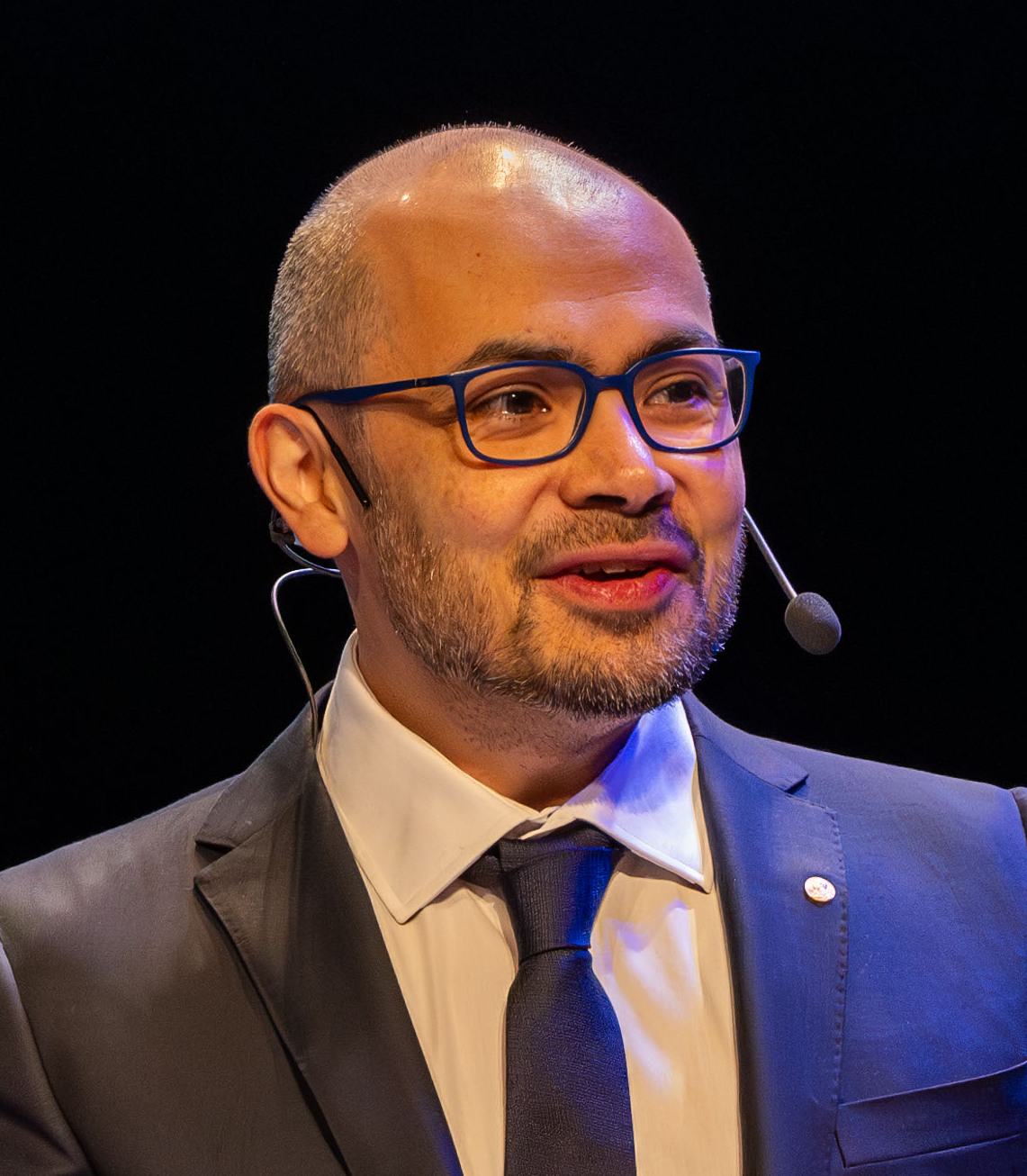
Google DeepMind CEO Demis Hassabis has proposed an independent body modeled on financial regulator FINRA to test the most powerful AI models before release. The idea has drawn support from both Sam Altman and Elon Musk, and the Trump administration is now considering putting it into practice.
Contents
Demis Hassabis, chief executive of Google DeepMind, published a framework in mid-July proposing an independent American body to test the most powerful artificial intelligence models. The idea, modeled on the financial regulator FINRA, has picked up support within weeks from people who rarely agree on anything, from Sam Altman to Elon Musk, and the Trump administration is now weighing it too.
How the Proposal Works
The new body, provisionally called the Frontier AI Standards Body, would operate as a self-regulatory organization funded by the AI labs themselves, much as FINRA is funded by the brokerages it oversees. In practice, that would mean companies like Google DeepMind, OpenAI, and Anthropic would bear the cost of safety testing, not the American taxpayer.
The institution's job would be to develop benchmarks defining which models qualify as frontier AI, run independent safety and cybersecurity testing, and promote standards such as publishing model system cards. In the first phase, submitting models for testing would be voluntary, with companies encouraged to send them in 30 days before public launch. Only after proving effective could the system become mandatory for any provider wanting to distribute a model in the United States.
Who Backs the Idea
The list of people who have publicly praised the proposal is unusually broad for a fight over AI regulation. OpenAI's Sam Altman called it thoughtful, and Elon Musk voiced similar praise. Microsoft's Mustafa Suleyman and Satya Nadella, Block's Jack Dorsey, and Box's Aaron Levie also expressed support.
a thoughtful framework overall and certainly a good starting point for discussions - Elon Musk
The most significant voice, however, is David Sacks, a former adviser to the Trump administration on AI, who had consistently opposed any form of industry licensing until now. Sacks concluded that this kind of self-regulatory model is better than having the federal government directly regulate AI, which in practice opens the door to political acceptance of the idea in Washington.
Doubts and Criticism
Critics point out that FINRA itself, the model the project is based on, has a history of accusations that it goes easy on the firms that fund it. Brad Bennett, FINRA's former head of enforcement, acknowledged that some large brokerages find it cheaper to periodically pay multimillion-dollar fines than to actually comply with the regulator's requirements. An analysis by SLCG Economic Consulting also found that in the first year FINRA held new powers to flag brokers as high-risk firms, it did not apply them to any of the at least 13 firms that met the criteria.
self-regulation is not viable - Nader Henein, Gartner analyst
Independent analyst Carmi Levy described the proposal as a plan written to serve the interests of an industry racing toward ever more powerful systems, rather than a genuine control mechanism. Yoshua Bengio of LawZero supports the idea of independent testing itself but cautions that it must include a clear, precise path from voluntary to mandatory participation, or it will remain a facade.
Administration Weighs In
Three days after Hassabis's piece was published, Bloomberg reported that the White House was reviewing its own version of such a body, developed with input from Treasury Secretary Scott Bessent. The proposal went to White House Chief of Staff Susie Wiles for review, and the new institution would be overseen by the Securities and Exchange Commission (SEC), just like FINRA. Later reports said Hassabis had lobbied Bessent and OSTP Director Michael Kratsios directly in favor of his model, while the Treasury Department was simultaneously building its own, similar concept.
For the Trump administration, which has repeatedly declared its opposition to government AI licensing, the appeal of Hassabis's proposal lies precisely in the fact that companies, not the federal budget, would bear the costs, and the institution itself would formally remain outside the government agency structure. That allows Washington to avoid a politically difficult debate over creating a new regulatory agency while still giving the government a tool to oversee the most powerful models.
What It Means Globally
Even supporters admit the proposed system would not cover models trained specifically for military or government purposes outside US jurisdiction, which could pose a risk regardless of whether an American equivalent of FINRA comes into being. That question is gaining weight as the European Union develops its own, far more centralized oversight model in parallel under the AI Act, enforced directly by the European Commission.
The gap between the American model of industry-funded self-regulation and the European model of administrative oversight could, in practice, mean that globally operating companies, including providers of models used by Polish businesses and institutions, will have to meet two separate, not necessarily consistent sets of safety requirements. The final shape of the proposal is still undecided, and the decision now rests with the White House.