News
Illinois Signs Toughest AI Safety Law in the US
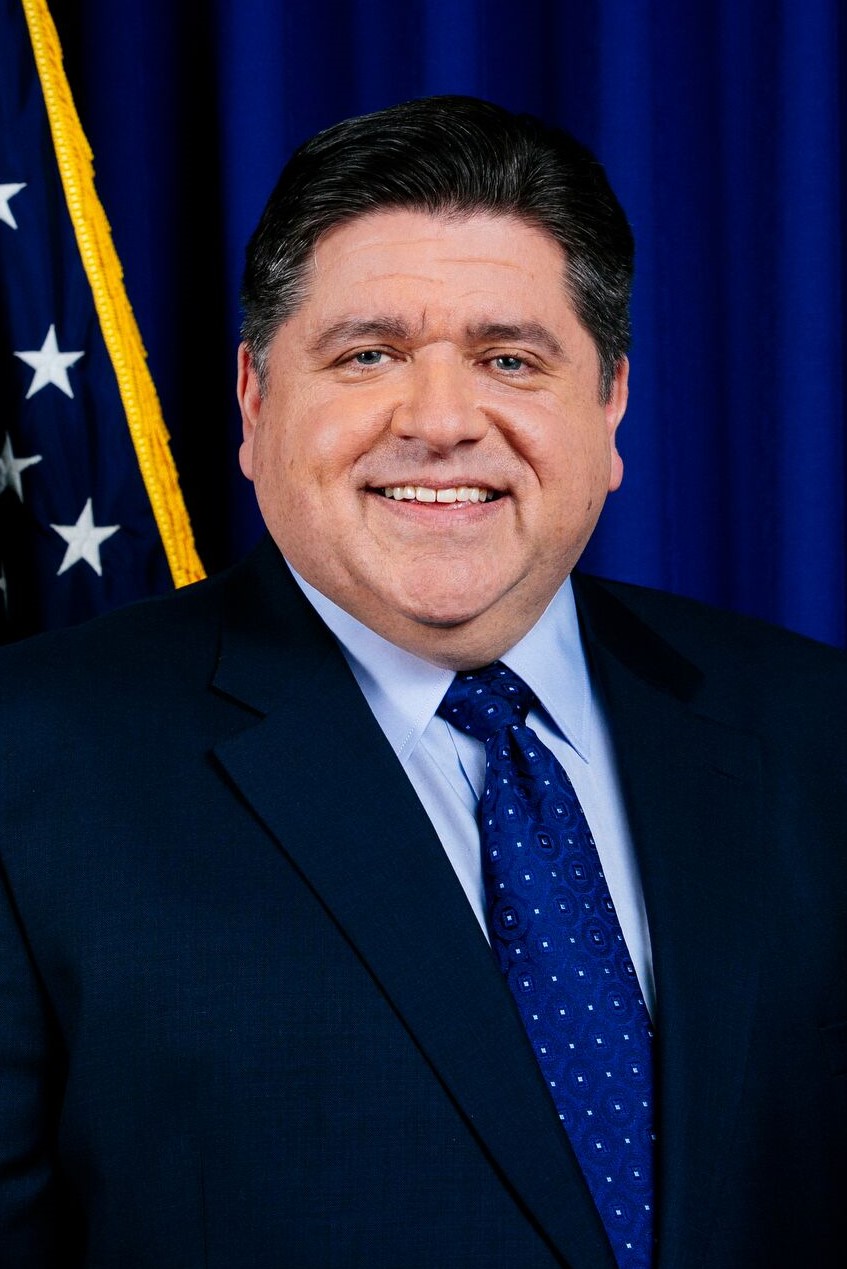
Illinois Governor JB Pritzker has signed SB 315, requiring developers of the most powerful AI models to conduct annual independent safety audits and report catastrophic risk. It makes Illinois the third US state with such rules, after New York and California.
Contents
Illinois Governor JB Pritzker signed a bill on Monday called the AI Safety Measures Act, described by its authors as the most rigorous artificial intelligence safety law in the United States. The measure requires developers of the most powerful models to undergo annual independent audits and publicly report catastrophic risk before a new model goes into use.
SB 315 covers so-called frontier models, the most advanced AI systems on the market. Their developers will have to submit a framework document describing catastrophic risk, mitigation methods, cybersecurity safeguards, and internal oversight of model development. On top of that comes a requirement for an independent audit by an outside firm once a year, the first such requirement under US state law.
What the Law Requires
Beyond the audits, companies must publish transparency reports before deploying a new or substantially modified frontier model. The law also requires reporting serious safety incidents and periodically summarizing risk assessments tied to a company's internal use of AI. Employees who report wrongdoing gain whistleblower protections and a clear internal channel for raising concerns.
Violations carry civil penalties, though lawmakers deliberately stopped short of giving citizens the right to bring individual lawsuits against AI companies. Enforcement will rest with the Illinois Emergency Management Agency and the Office of Homeland Security, working in consultation with the state attorney general, who will also issue guidance and prepare annual reports.
Third State in Line
Illinois joins New York, which has the RAISE Act, and California, with SB 53, together forming a growing patchwork of state-level AI regulation in the US in the absence of a unified federal law. The bill was sponsored by state Senator Mary Edly-Allen and state Representative Daniel Didech, and passed the General Assembly with bipartisan support.
This bipartisan legislation is designed to put responsible safeguards in place before a preventable catastrophe occurs - Mary Edly-Allen, Illinois state senator
This law puts enforceable safeguards in place so that big tech companies will have to make safety a priority - Daniel Didech, Illinois state representative
Significance for the Global Market
For companies such as OpenAI, Anthropic, or Google DeepMind, this means another set of legal requirements to meet alongside similar rules in other states and the EU's AI Act. The growing number of local rules in the US is pushing AI companies to build unified, general-purpose compliance processes rather than adapting separately to each jurisdiction.
Polish Perspective
For Polish companies and public authorities, the context differs but rhymes in spirit. Starting August 2, 2026, the EU's AI Act will begin enforcing its own obligations, including labeling AI-generated content, and European foundation model providers are already preparing for transparency and risk-assessment requirements similar to those Illinois is introducing. The difference is that EU regulation is uniform across the whole bloc, while in the US a patchwork of state laws is emerging that companies must track separately.
AI regulation experts note that the independent safety audit requirement could become a model for other states, and perhaps for future federal legislation if Congress ever settles on a unified law. For now, it is the states setting the pace of AI regulation in the United States, and Illinois has set the bar higher than New York and California.
Sources: Transparency Coalition (transparencycoalition.ai), KFVS12 (kfvs12.com)