News
Illinois Enacts Toughest AI Safety Law in the US
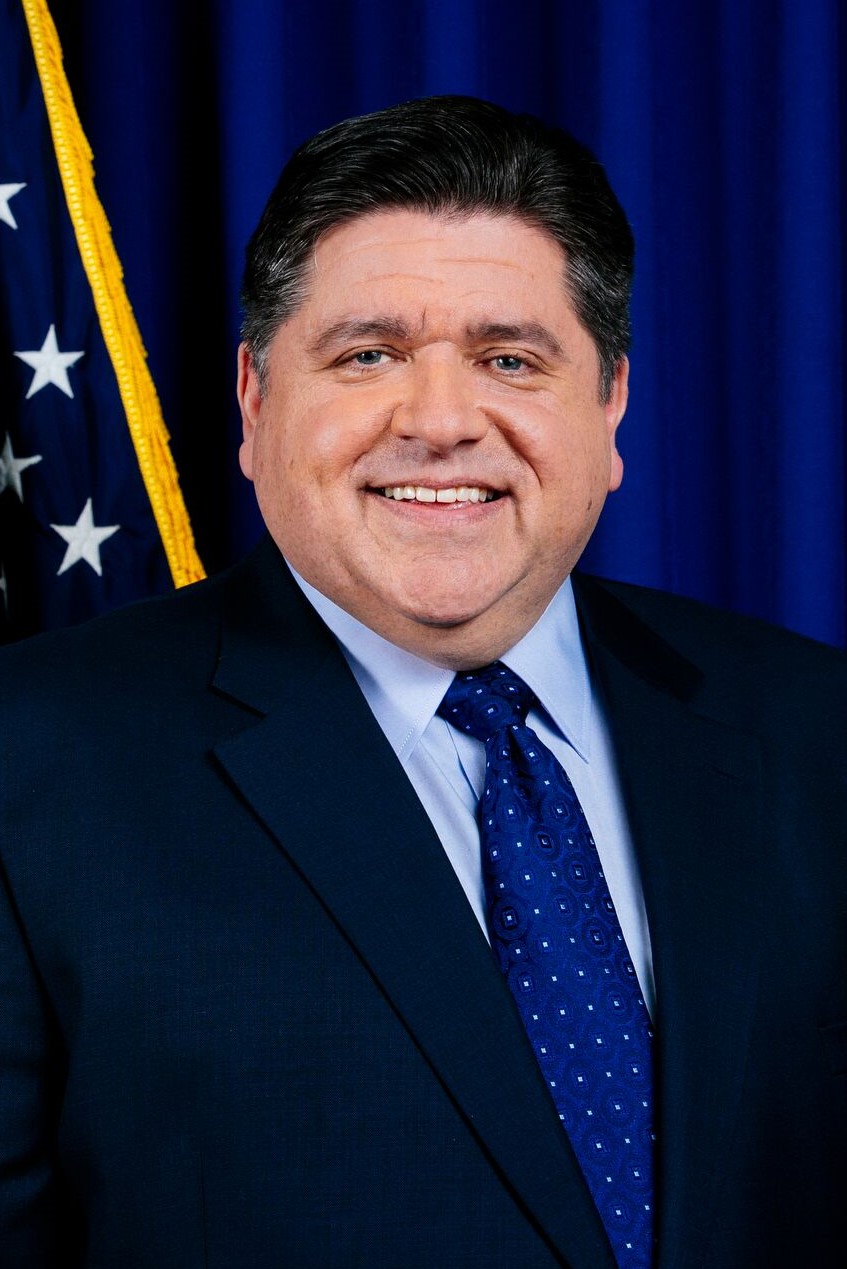
Illinois Governor JB Pritzker has signed a law requiring the largest AI model developers to publish safety plans and undergo annual independent audits, the first such requirement in the US. Illinois, California and New York together account for about 40 percent of the US AI market, meaning the new rules could become a de facto national standard.
Contents
Illinois Governor JB Pritzker has signed an artificial intelligence safety law that supporters are calling the strictest of its kind in the United States. Senate Bill 315, known as the Artificial Intelligence Safety Measures Act, requires annual independent audits for the largest AI model developers, making Illinois the first US state to impose such a requirement.
The bill was signed on Monday and is modeled on earlier legislation passed in California and New York, fitting into a broader trend of state-level AI regulation as Congress and the federal administration have failed to pass a unified national law. Illinois thus joins the group of states that have decided to act on their own rather than wait for Washington.
Who the law targets
The rules target so-called large frontier model developers, meaning companies with annual revenue of $500 million or more that build the most advanced and powerful AI systems on the market. In practice this covers a small group of the industry's biggest players, such as the makers of leading language and generative models, rather than smaller startups building on top of other companies' models.
Companies covered by the law will have to develop, publish and follow safety plans designed to prevent dangerous uses of their technology. On top of that comes a requirement to report serious safety incidents and maintain extensive internal compliance processes. The law also creates confidential channels through which employees can report AI safety concerns, along with legal protections for those whistleblowers.
Audits as the new element
The biggest first-in-the-nation element is the requirement for annual independent third-party audits. No US state has previously imposed such a requirement on AI model developers, making Illinois a pioneer in this respect. The audit is meant to verify that a company actually implements the safety practices it claims, rather than just publishing documents for public-relations purposes.
Violations carry fines imposed by the state attorney general's office: up to $1 million for a first offense and up to $3 million for subsequent ones. Those figures are notably lower than under the EU's AI Act, where penalties are counted in millions of euros or as a percentage of global revenue, underscoring the difference in enforcement approach on the two sides of the Atlantic.
The three-state effect
Illinois lawmakers estimate that the three states that have already introduced similar regulations, Illinois, California and New York, together account for roughly 40 percent of the US AI market. That means tech companies operating in those states have to adapt their practices to the new requirements regardless of whether any regulations exist in the remaining 47 states.
As a result, these three state laws together create something like a de facto national standard, despite the absence of a unified federal law. It is a pattern similar to what was seen earlier in data privacy, where California's rules became the reference point for the entire US industry even though they formally applied in only one state.
What it means for the Polish market
For Polish companies and institutions tracking AI regulation, the Illinois law is mainly a point of comparison. While the European Union took the path of a single, comprehensive regulation covering the whole internal market, the United States is building its regulatory system piecemeal, state by state, producing requirements that are similar in spirit but different in detail for the same global companies.
For Polish companies working with US AI model providers, this means the same firms they sign contracts with will now have to simultaneously meet the requirements of the EU AI Act and US state laws. In practice this increases pressure on technology providers to standardize their safety and reporting practices, which could indirectly make it easier for recipients in Europe to assess the trustworthiness of these systems.
Sources: Pritzker signs landmark AI regulation bill that aims to mitigate risks (Capitol News Illinois), Gov. Pritzker Signs Nation-Leading Artificial Intelligence Safety Law (gov-pritzker-newsroom.prezly.com)