News
KOSPI Plunges 10 Percent in a Day as Asian Markets Panic Over AI Stocks
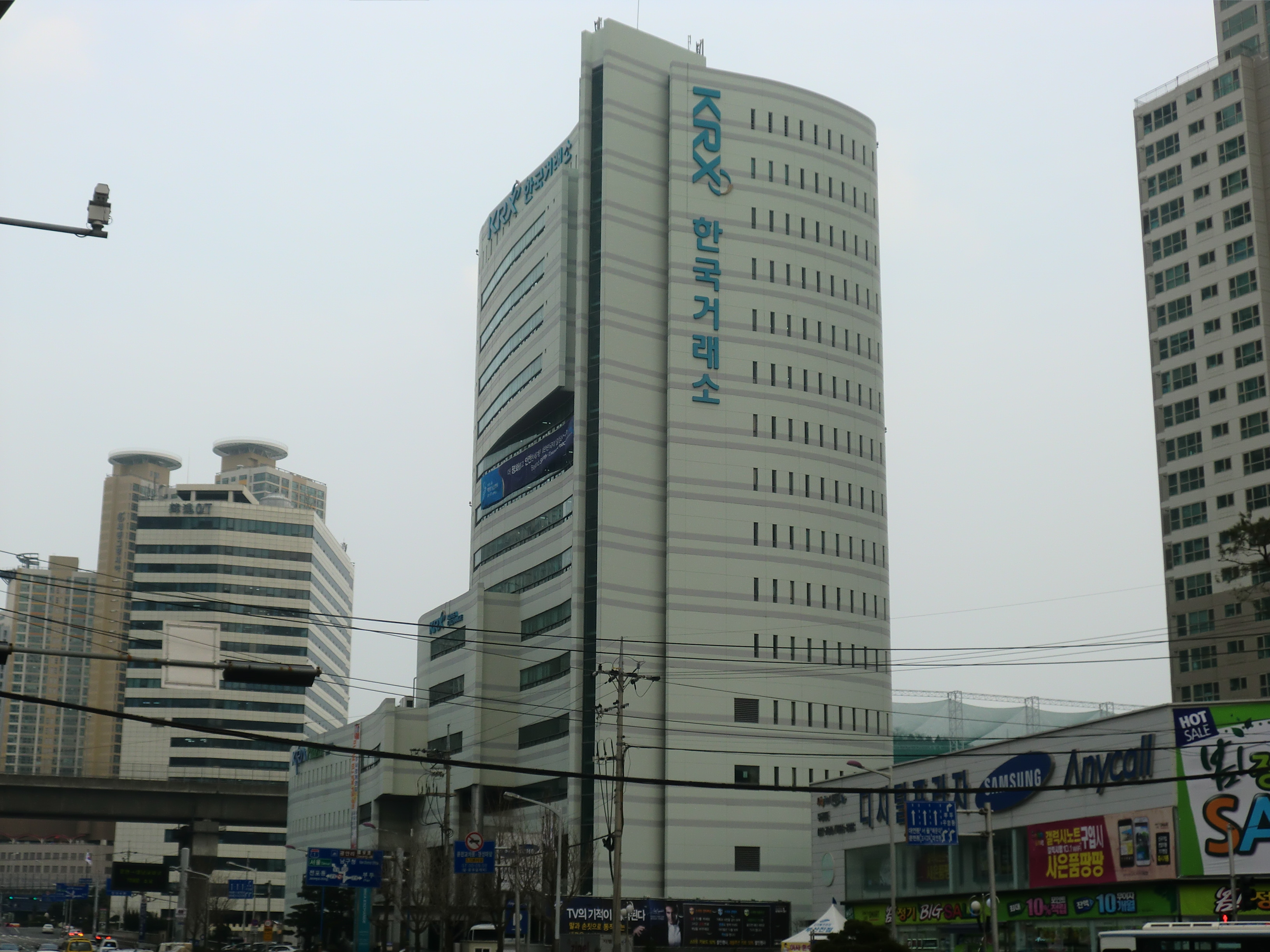
South Korea's KOSPI index fell about 10 percent on Tuesday, with Samsung and SK Hynix losing more than 12 percent, as investors grew alarmed both by the scale of debt fueling the AI boom and by a Chinese breakthrough in lithography machine manufacturing.
Contents
The Korean KOSPI index dropped nearly 10 percent on Tuesday, its steepest one-day fall since April, as the Seoul stock exchange triggered automatic trading halts twice. Samsung Electronics fell as much as 13.4 percent and SK Hynix as much as 14 percent, dragging down the entire region from Tokyo to Taipei.
The Seoul exchange first triggered a sidecar mechanism, automatically halting a portion of orders on the main market and on KOSDAQ, then suspended all trading for twenty minutes after the index fell more than 8 percent during the session. It was the worst day for Korean markets in months, even though the KOSPI remains solidly higher for the year thanks to an earlier rally driven by memory chips.
Two Sources of Panic at Once
Investors were reacting to two pieces of news at the same time. The first was reports that Nvidia's total financial commitments to customers building AI data centers, including guarantees for OpenAI's infrastructure, may have topped 750 billion dollars. That raises the question of how much the biggest AI hardware suppliers are effectively financing their own customers' demand rather than selling into healthy, market-driven conditions.
The second was a report that a Chinese state-linked firm based in Shanghai has started producing its own immersive DUV lithography machines, used to manufacture memory chips and older-generation processors. The machines are meant to go to Chinese manufacturers SMIC, Hua Hong and CXMT, partially circumventing Western export sanctions on semiconductor equipment.
The Scale of China's Breakthrough
Analysts cited by CNBC and Bank of America are urging caution, however. Even if China builds the announced 20 machines by 2027, that would cut ASML's sales by an estimated 1.4 billion euros, or roughly 2.4 percent of the group's projected revenue. The Chinese machines rely mainly on domestic components but still lag ASML's systems in performance, and some key parts still come from Japan.
The global DRAM memory market has long been dominated by Samsung, SK Hynix and Micron, and CXMT still accounts for only about 10 percent of global production capacity - Charlie Pullan, Finimize
Still, the mere fact that China is shifting from a technology importer toward a potential supplier of lithography equipment was enough to make investors reprice geopolitical risk across the chip supply chain. Adding fuel to the fire was the growing popularity of cheaper Chinese AI models such as Kimi K3, which has investors asking whether demand for expensive American computing power will really hold at current levels.
Markets and Wall Street React
The sell-off spread across the region. The Nikkei 225 lost 4.4 percent, its biggest drop since May 22, while the broader TOPIX fell 2.7 percent. Nasdaq 100 futures were down about 1 percent and S&P 500 futures about 0.3 percent ahead of the New York open. Investors are now awaiting rate decisions from the Federal Reserve, the Bank of Japan and the Bank of England, along with earnings from Microsoft, Meta, Apple and Amazon, which in the coming days will show whether AI spending is starting to translate into real revenue.
What It Means for Poland
Warsaw's stock exchange proved resilient to the regional panic on Tuesday. The WIG20 index gained nearly 0.7 percent, which analysts attribute to the low weighting of technology companies in the Polish index compared with Asian markets dominated by chip and memory makers. For Polish companies buying electronic equipment or memory components, though, what matters more is whether the stock market rout feeds through to DRAM and NAND memory prices, which have been rising for months on demand from AI data centers.
The session also shows how sensitive global markets have become to any signal that undermines the two pillars of the AI boom: the belief that infrastructure spending will keep rising without limit, and that non-Chinese chipmakers hold a durable technological edge. The coming days, packed with Big Tech earnings and central bank decisions, will show whether Tuesday's sell-off was a one-off correction or the start of a deeper repricing.