News
Minotaur Fund Beats the Market by Replacing Analysts with AI
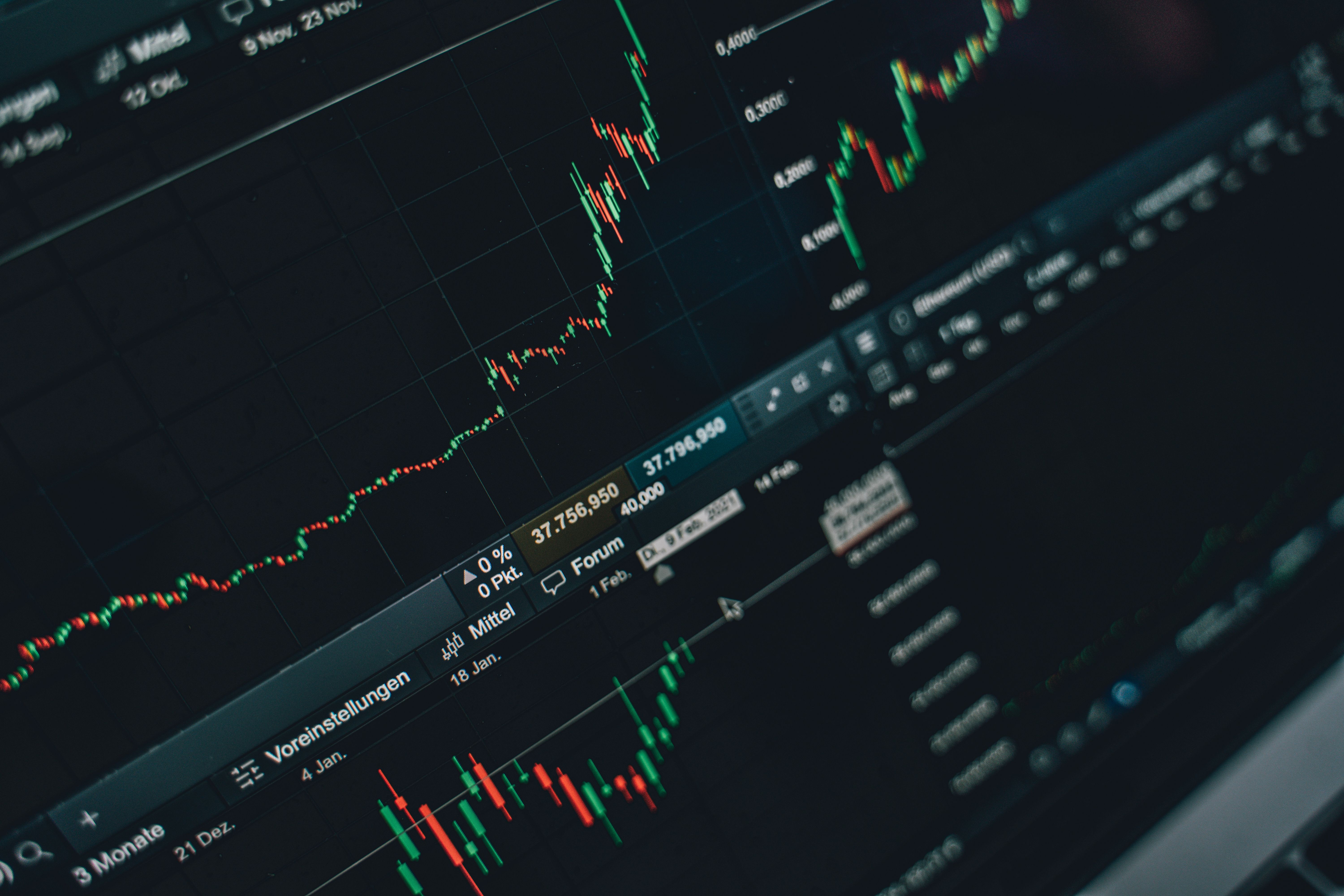
Australian fund Minotaur Global Opportunities posted a 13.7 percent return in its first six months, beating 89 percent of hedge funds worldwide without employing a single analyst. The industry's experience with replacing financiers with AI has been decidedly mixed.
Contents
A Sydney-based hedge fund is proving that an entire team of analysts can be replaced by software built on large language models. Minotaur Global Opportunities, managed by Minotaur Capital, generated a 13.7 percent return in its first six months of operation, more than double the MSCI All-Country World benchmark, which rose 6.7 percent over the same period.
How Taurient Works
Minotaur Capital's investment decisions are driven by software called Taurient, built not on one but on 20 large language models from 10 different providers, including OpenAI and Anthropic. The system scans roughly 5,000 news articles a day and generates tens of thousands of queries to the models, producing extensive reports on companies whose stock price, according to the algorithm, could double or triple within three years.
The fund was founded by Armina Rosenberg and Thomas Rice, who had previously analyzed investment opportunities together, including in Zoom and Italian cable maker Prysmian, before deciding to base the entire decision-making process on algorithms. Unlike traditional hedge funds, Minotaur Global Opportunities does not employ a team of sector analysts, which cut operating costs in half compared with a conventional structure.
A Portfolio With a Polish Accent
Geographically, the fund's portfolio is split between the United States, which accounts for 40 percent of assets, the Asia-Pacific region with 32 percent, and the rest in Europe. About 5 percent of the capital went to Polish companies, with CD Projekt ranking among the portfolio's ten largest positions, alongside Prysmian, Meta, Nvidia, MongoDB and CyberArk Software.
It is a rare case of an algorithm managing billions of dollars actively choosing a Polish listed company as one of its key positions, driven not by regional sentiment but purely by a language model's analysis of financial and news data.
Not Every Fund Beats the Market
Minotaur's success stands in contrast to the fate of other funds that bet on artificial intelligence both as a decision-making tool and as a core investment theme. The most spectacular example is the collapse of Situational Awareness, founded by 25-year-old Leopold Aschenbrenner, a former OpenAI researcher who worked on controlling superintelligent systems.
Aschenbrenner's fund, built on the thesis that artificial general intelligence would arrive in 2027, managed roughly $45 billion in assets at its peak and posted a cumulative return of around 1,000 percent, including a 439 percent gain in the first half of 2026. When the AI stock sector began losing value in July, the fund's portfolio shrank 67 percent in a single month, with Nvidia, Broadcom and Palantir falling 18, 21 and 27 percent respectively.
The fund's investment thesis was based on very loosely defined trends in the AI industry, and was executed using shares and options of companies with extremely volatile valuations, and with heavy leverage - financial expert commentary cited by xyz.pl
What Separates Winners From Losers
The difference between Minotaur and Situational Awareness lies not in the use of artificial intelligence itself, but in how risk was managed. Aschenbrenner's fund built most of its exposure through options, with $3.86 billion in options positions out of a total portfolio of $13.67 billion, combined with heavy leverage and concentration in a single sector. In late July, Citadel took over its publicly traded stock portfolio, worth $16 billion, at a 10 percent discount in under a day.
Minotaur Capital, despite basing its decisions entirely on language models, kept a diversified geographic and sector allocation, which limited the risk of sharp losses from a correction in any single market segment. It shows that AI technology alone guarantees neither success nor failure, and that traditional portfolio risk management still matters most.
What It Means for Investors
For Polish investors, Minotaur's story carries a double meaning. First, it shows that funds built entirely on AI algorithms can genuinely compete with traditional hedge funds that employ dozens of analysts, while cutting management fees. Second, CD Projekt's presence in the portfolio of an AI-driven international fund signals that Polish listed companies are appearing on the radar of algorithms scanning global markets alongside tech giants.
At the same time, the fate of Situational Awareness is a reminder that enthusiasm for AI in finance does not exempt anyone from basic investment caution. The pattern of funds collapsing from excessive concentration and leverage, from Long-Term Capital Management to Archegos Capital, repeats itself regardless of whether the decisions are made by a person or a language model.