News
New York Halts Construction of Large AI Data Centers for One Year
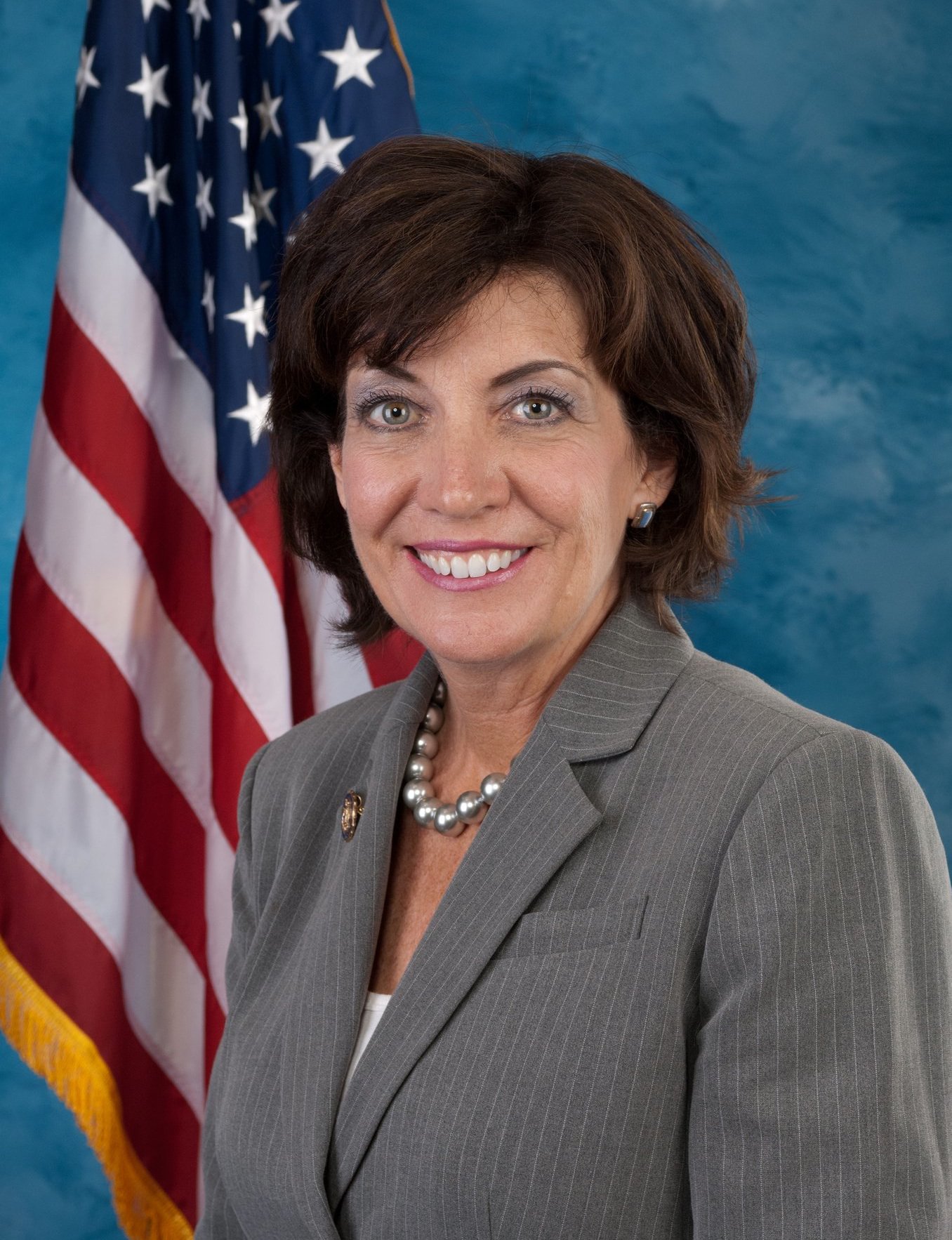
Governor Kathy Hochul signed an executive order freezing permits for data centers consuming 50 megawatts of power or more for one year. It's the first such move by an entire U.S. state, driven by a sharp rise in electricity bills.
Contents
New York has become the first U.S. state to halt new permits for large data centers powering artificial intelligence, for a period of one year. Governor Kathy Hochul signed an executive order on July 14 covering facilities that consume 50 megawatts of power or more, citing rising electricity bills and pressure on the power grid as the reason for the decision.
Hochul's decision applies to new permits for hyperscale data centers, facilities designed to serve the needs of AI models and cloud computing. The order does not revoke permits already issued or halt projects already under construction, but it blocks new applications for up to twelve months, during which state authorities are expected to draw up permanent rules.
Why the pressure on the governor
New York has posted one of the fastest increases in electricity prices in the country over the past several years. The average household electricity price in the state has climbed nearly 68 percent since 2019, and residents increasingly link that rise to the construction of data centers, which connect to the same transmission grid as homes and small businesses. According to the Hochul administration, around 28 data center projects are currently in the pipeline, with combined demand of nearly 10 gigawatts, roughly equal to New York's entire current peak electricity usage.
Public opinion on the matter is clear. A Siena Research Institute poll conducted in June found that 46 percent of state residents support a one-year moratorium on new permits for large data centers, while only 21 percent oppose it. Nationally, polls cited by U.S. media suggest that as many as two-thirds of Americans oppose having a data center built in their neighborhood.
State authorities act on two fronts
Alongside the governor's order, the state legislature passed a separate bill in the final hours of the 2026 session, the Responsible Data Center Development Act, which the Senate approved 44 to 16 and the Assembly approved 102 to 39. The bill covers a broader range of facilities, starting at 20 megawatts of capacity, and now sits on Hochul's desk awaiting her signature. Among other things, it requires mandatory public hearings before a permit is issued, an environmental report within 18 months, separate electricity and water rates for large data centers, and a target of 90 percent renewable energy in their power supply by 2040.
State Senator Kristen Gonzalez, the bill's sponsor, summed up the motivation briefly. The order and the bill share a common denominator: shifting part of the cost of energy infrastructure off residents' bills and onto the companies building data centers.
Technology is supposed to improve people's lives, not raise their electricity bills - Kristen Gonzalez, New York State Senator
The status quo cannot continue - Kathy Hochul, Governor of New York
What it means for the industry
New York is the first U.S. state to impose a statewide freeze on data center permits, but it isn't alone in tackling the issue. Dozens of cities and counties across the United States have already introduced their own bans, moratoriums, or restrictive rules blocking new investment in response to resident opposition. Earlier attempts to introduce a full moratorium in the state of Maine failed, which makes Hochul's decision a precedent at the state level.
For major cloud operators and AI model providers such as Microsoft, Amazon, and Google, the decision means redirecting part of their planned investment to other states, where local authorities offer tax breaks instead of restrictions. An example of the opposite approach is Louisiana, which granted tax breaks for a $50 billion Meta investment.
What it means for the Polish market
For Polish companies and local governments, the New York case shows how large AI data centers can affect local electricity bills when investment grows faster than the transmission grid can expand. That's important context for Poland's ongoing race for a European AI gigafactory and for planned domestic investment in computing infrastructure, where similar questions about energy costs for residents and businesses are likely to arise.
Hochul's order remains in effect for up to one year, during which the state's Department of Public Service is expected to draft permanent rules for connecting data centers to the grid, including a requirement that they finance new, dedicated clean energy sources. In parallel, work is underway to eliminate sales tax exemptions for large data centers in the state.