News
Startup Orchestra Deploys Hundreds of Cameras Across San Francisco to Build Searchable City Record
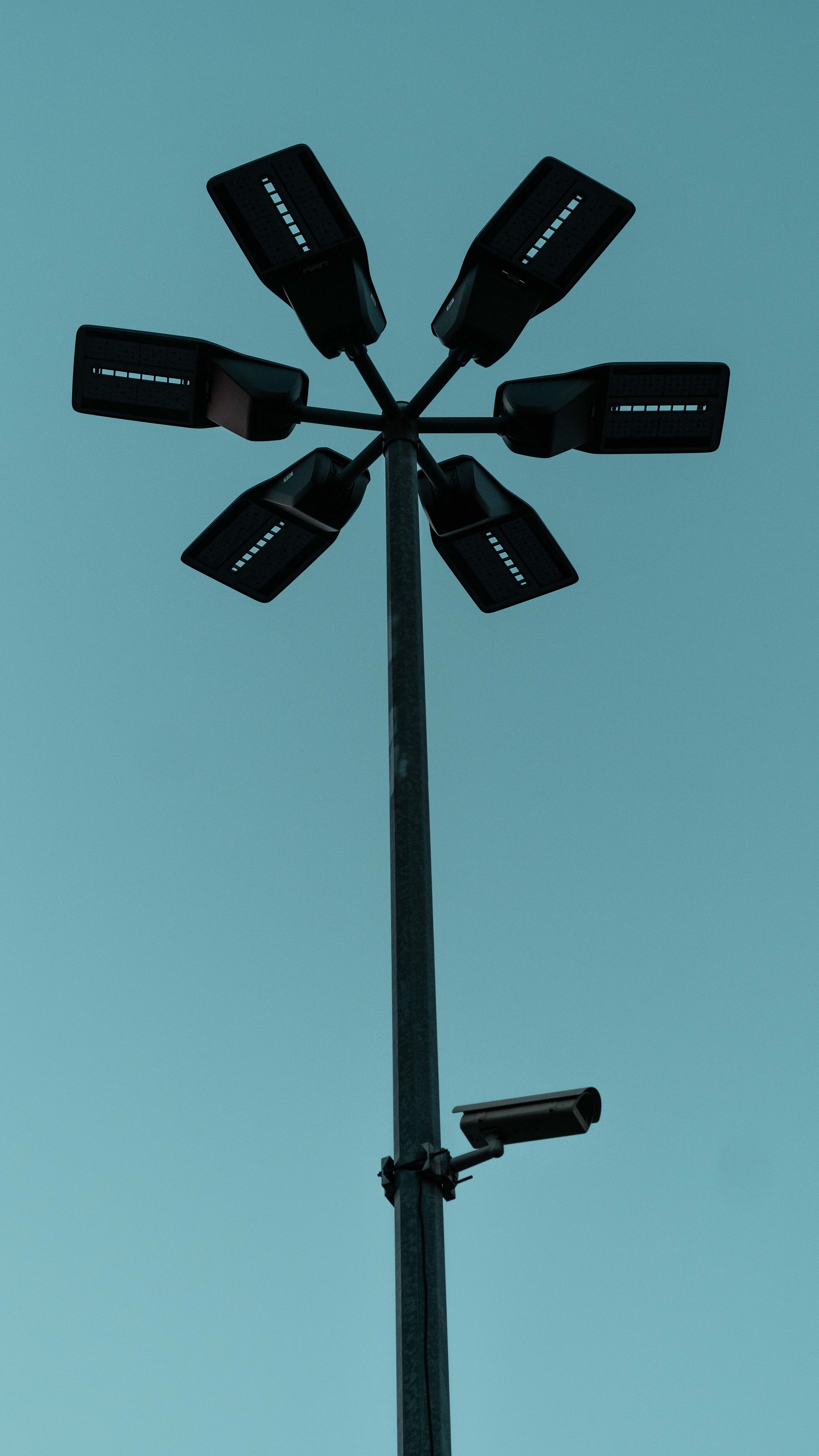
Ten-month-old startup Orchestra has already installed more than a hundred cameras on San Francisco streets and plans to add 900 more within six months, building an AI-powered, searchable record of city events. Its Veritas product links 911 emergency calls with footage from nearby cameras.
Startup Orchestra is installing a network of street cameras in San Francisco that continuously stream video and use artificial intelligence to turn it into searchable data about objects, vehicles, and events. The company, founded just ten months ago, already has more than a hundred cameras mounted on buildings belonging to private businesses in the Russian Hill, Tenderloin, and SoMa neighborhoods, and plans to add another 900 over the next six months.
Behind the project are co-founder and COO Stephania Stavropoulos and CEO Drake Burciaga. Stavropoulos describes the company's product as a search engine for the physical world, while Burciaga calls the archive of footage the company is amassing a true trove of data about the city.
It's a search engine for the physical world - Stephania Stavropoulos, co-founder and COO of Orchestra
How Veritas Works
Orchestra's flagship product is Veritas, described by the company as a programming interface for evidence in real-world investigations. The system is meant to automatically link calls made to the 911 emergency line with footage from cameras located near the scene of an incident, generating ready-made evidence packages for investigators and police. The cameras continuously transmit high-resolution video, while AI models recognize and catalog vehicles, people, and incidents in real time.
The company has not publicly disclosed how long it retains footage, whether it applies on-device data anonymization, or whether its systems have undergone an independent security audit. It has also not published detailed rules on sharing data with law enforcement, raising questions about the extent of control over material collected from private urban space.
The Shadow of Flock Safety
Orchestra's growth is unfolding in the shadow of the experience of rival camera network Flock Safety, which has faced a wave of criticism across the United States in recent months. Flock's cameras have been destroyed by residents opposed to surveillance, some cities have terminated their contracts with the company, and Flock faces lawsuits alleging it illegally shared collected data with federal immigration agents. The regulatory risk facing Orchestra remains unclear for now, as the company is still building its position in the AI-powered urban surveillance market.
Orchestra's business model relies on installing cameras for free on buildings owned by private companies in exchange for access to the collected data, allowing it to scale its network quickly without having to negotiate contracts with the city. This structure partly bypasses the public procurement procedures that would apply to the installation of municipal cameras, but it also makes it harder for residents and local authorities to control where and under what terms the surveillance network is built.
Significance for Polish Cities and Businesses
For the Polish market, Orchestra's case shows the direction commercial, AI-powered urban surveillance could take before clear legal frameworks even exist for it. In the European Union, enforcement of the AI Act, beginning August 2, 2026, subjects remote biometric identification systems in public spaces to far stricter requirements than the state-level regulations currently in force in the US, meaning a business model like Orchestra's would face additional legal barriers in Europe right from the start.
The growth of companies like Orchestra and Flock Safety also shows that searchable archives of urban surveillance are becoming a distinct category of AI business, alongside language models and coding assistants. For investors and local governments, this raises new questions about who actually controls data from public spaces when the infrastructure is built by a private company rather than the city.