News
Polish Writers and Musicians Find Their Work in AI Training Data
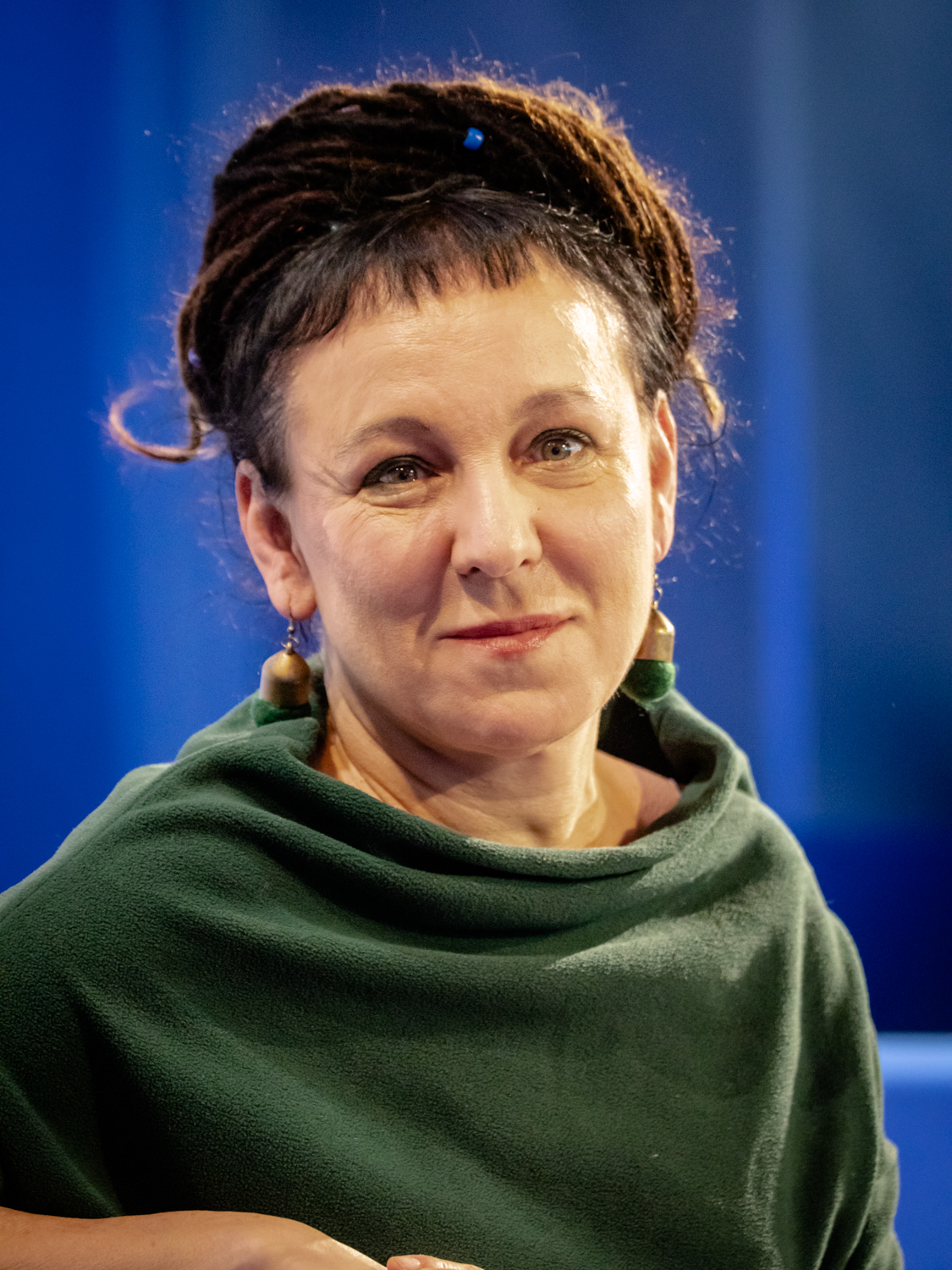
An analysis reveals that works by Polish authors, from Olga Tokarczuk to Sanah, ended up in datasets used by OpenAI, Meta, Anthropic, Google and xAI, most often via the pirate library LibGen.
Contents
Hundreds of works by Polish writers and musicians ended up in the training data of the largest language models without the creators' knowledge, consent, or payment, according to an analysis described by Spider's Web. Works by Olga Tokarczuk, Jerzy Pilch, Jacek Dukaj and Wojciech Chmielarz, along with songs by Sanah, Tede and Quebonafide, were found in datasets used to train models from OpenAI, Meta, Anthropic, Google and xAI.
The scale of the problem stems from how today's large language models are trained. Tech companies need enormous volumes of text for models to handle language, style and world knowledge well, and Polish literature and music, despite their limited international reach, are valuable linguistic material. Instead of negotiating licenses with publishers or collective management organizations, some companies turned to ready-made, illegal text collections that have circulated online for years.
LibGen as a data source
Library Genesis is a pirate service with millions of scanned books that has operated in various forms for more than a decade and has repeatedly been blocked by courts at publishers' request. Despite this, it became one of the primary sources of training data for language models, as revealed by court documents in lawsuits against Meta and Anthropic in the United States. Internal correspondence between employees at these companies showed that choosing pirated collections over license negotiations was a deliberate business decision, justified by the cost and time it would take to obtain permission from thousands of authors and publishers worldwide.
It would be strange if this monster hadn't already digested our books in its stomach - Mariusz Szczygieł, writer and reporter
In plain language, I wouldn't hesitate to use the word 'theft' - Wojciech Chmielarz, writer
Anthropic settlement as precedent
The Anthropic case, in which the company agreed to pay 1.5 billion dollars after a class-action lawsuit by authors and publishers alleging the use of more than 7 million books without consent, became a reference point for creators worldwide. The company also committed to destroying the original files obtained from Library Genesis and Pirate Library Mirror, along with all derivative copies, within 30 days of a final court ruling. The settlement has stalled in court, however, because the lawyers handling the case demanded more than 320 million dollars for themselves, leaving individual authors with a fraction of the payout.
Piotr Siemion of the Unia Literacka (Literary Union) helped two Polish authors secure several thousand dollars in compensation through the American proceedings, which he called a breakthrough case despite the modest sum per individual creator. This shows that Polish writers today can mainly seek compensation through foreign court proceedings, since domestic law offers them no comparable tool.
A gap in Polish law
Dr. Gabriela Bar, an expert in new technology law, points out that companies invoke the fair use doctrine in the United States as well as text and data mining (TDM) provisions in the European Union, arguing that they are not copying works but transforming them into a new product. The TDM provisions, introduced into Polish copyright law in September 2025, in practice allow this kind of use of works without requiring the creator's consent, as long as they have not explicitly opted out.
Olga Gitkiewicz, quoted in the report, calls this phenomenon a new face of online piracy, only on a far larger scale. For an individual writer or musician, the practical ability to enforce their rights in this situation is limited, since the legal costs of a dispute with a tech corporation vastly exceed any potential compensation.
What it means for Polish creators
The problem hits not only well-established, well-known authors but above all creators who lack the resources to fight in court against companies worth hundreds of billions of dollars. Collective management organizations and creative associations such as Unia Literacka are trying to work out mechanisms for collective claims, but for now each case is settled individually, most often abroad.
In response to the allegations, Big Tech's strategy has been to fight off individual lawsuits without changing its overall data-gathering practices, arguing that implementing a mass-scale consent system is technically unfeasible. For Poland's publishing and music market, this means further language models will be trained on domestic creative works before national regulations exist that protect creators more effectively than the EU's TDM framework.