News
Russia Deploys AI-Controlled Autonomous Molniya Drones Over Zaporizhzhia
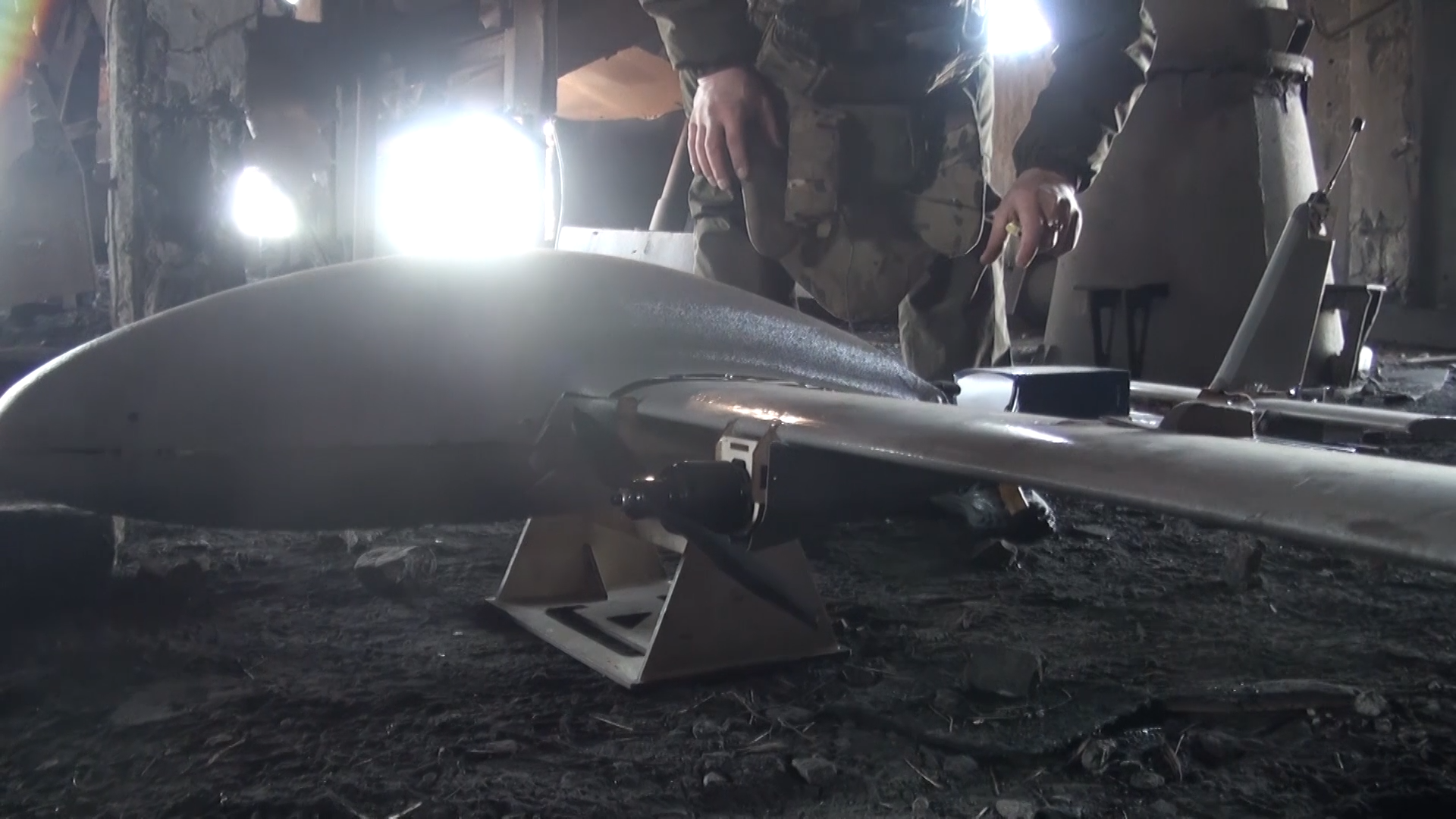
The Russian military has begun mass-deploying the Molniya drone in the Zaporizhzhia region without a radio link to an operator, navigating and selecting targets solely via an onboard camera and computer. Ukrainian forces shot down the first such unit, but warn that existing drone detectors no longer work.
Contents
A drone that no longer needs an operator or a radio signal has appeared over the front line in the Zaporizhzhia region. The Russian version of the Molniya, a cheap design previously known mainly for its use of plywood and tape, has received a camera and an onboard computer that let it navigate and lock onto a target on its own. For Ukrainian soldiers, this means that existing methods of detecting drones by their control signal no longer work.
A Drone Without an Antenna
The new version of the Molniya was first reported by Serhii Beskrestnov, known by the pseudonym Flash, an adviser to Ukraine's defense minister on electronic warfare. He had previously documented a Molniya attack in which the drone flew without a control antenna, and in early July he confirmed that this was a full-fledged version with AI on board.
This is the autonomous version of the Molniya with AI that I already wrote about - Serhii Beskrestnov, adviser to Ukraine's defense minister on electronic warfare
The design differs from classic FPV drones, which are piloted by an operator watching the camera feed over a radio link. In the autonomous version, an onboard computer analyzes the image, guides the drone over a designated area, and decides on its own when to strike a recognized target. The absence of a radio transmission also means that classic electronic warfare systems, which jam the control signal, have nothing to intercept.
Why Detectors Stop Working
For months, Ukrainian units on the front line have relied on detectors that pick up the radio emissions of reconnaissance and strike drones. The autonomous Molniya generates no such emissions, so a soldier holding a detector gets no warning until the machine is nearly on top of his position.
A drone detector won't save you anymore, stay alert - Serhii Beskrestnov, adviser to Ukraine's defense minister
On top of that, the machine's low radar cross-section and reduced infrared signature further delay detection by thermal imaging systems. In practice, this means anti-drone defense has to shift from listening for a radio signal to visually and acoustically detecting an almost silently flying machine.
First Interception
Ivan Fedorov, head of the Zaporizhzhia regional military administration, reported the first confirmed shootdown of an autonomous Molniya. It was carried out by a joint team of police, the National Guard, and crews operating the domestic General Cherry AIR and Bullet interception systems. This is the first documented case of successful defense against this specific version of the drone.
Beskrestnov warns at the same time that variants with a fiber-optic link are already being tested, which would eliminate the last gap left by the absence of radio transmission. The Russian side thus treats autonomy as a transitional stage rather than the ultimate goal in developing this drone family.
A Race on Both Sides
Autonomous target selection is not solely a Russian experiment. A Ukrainian startup is developing a drone with an AI system that independently classifies and locates targets, including recognizing Russian uniforms. There is, however, an important difference: the Ukrainian side states that every attack still requires an operator's approval, and the machine waits for a human decision after identifying a target. The Russian version of the Molniya goes a step further, combining navigation, target recognition, and the attack decision in a single system with no external control.
Both militaries are thus simultaneously testing technology that blurs the line between remotely piloted weapons and a system that decides to use force without human involvement at that moment. Experts in the law of armed conflict have been pointing out for months that this kind of autonomy raises the question of responsibility for a mistaken target identification, when there is no longer an operator in the decision chain who could be held accountable for a specific strike.
What It Means for Poland
For Poland and other NATO eastern flank states, the development of autonomous combat drones signals that anti-drone defense systems based mainly on detecting radio signals are quickly becoming insufficient. The Polish military has spent months developing its own projects for detecting drones and loitering munitions, including the Pustułka system being tested in Kielce, but the Molniya case shows that an adversary can quickly eliminate one of the basic methods of early warning.
The issue also feeds into the broader discussion on autonomous weapons that the UN has been conducting for months without producing a binding treaty. The case of the autonomous Molniya shows that technology is outpacing the speed of international negotiations, and that decisions about the limits of autonomy in weapons are being made in practice on the battlefield, not at the negotiating table.