News
SambaNova Raises $1 Billion for AI Inference Infrastructure
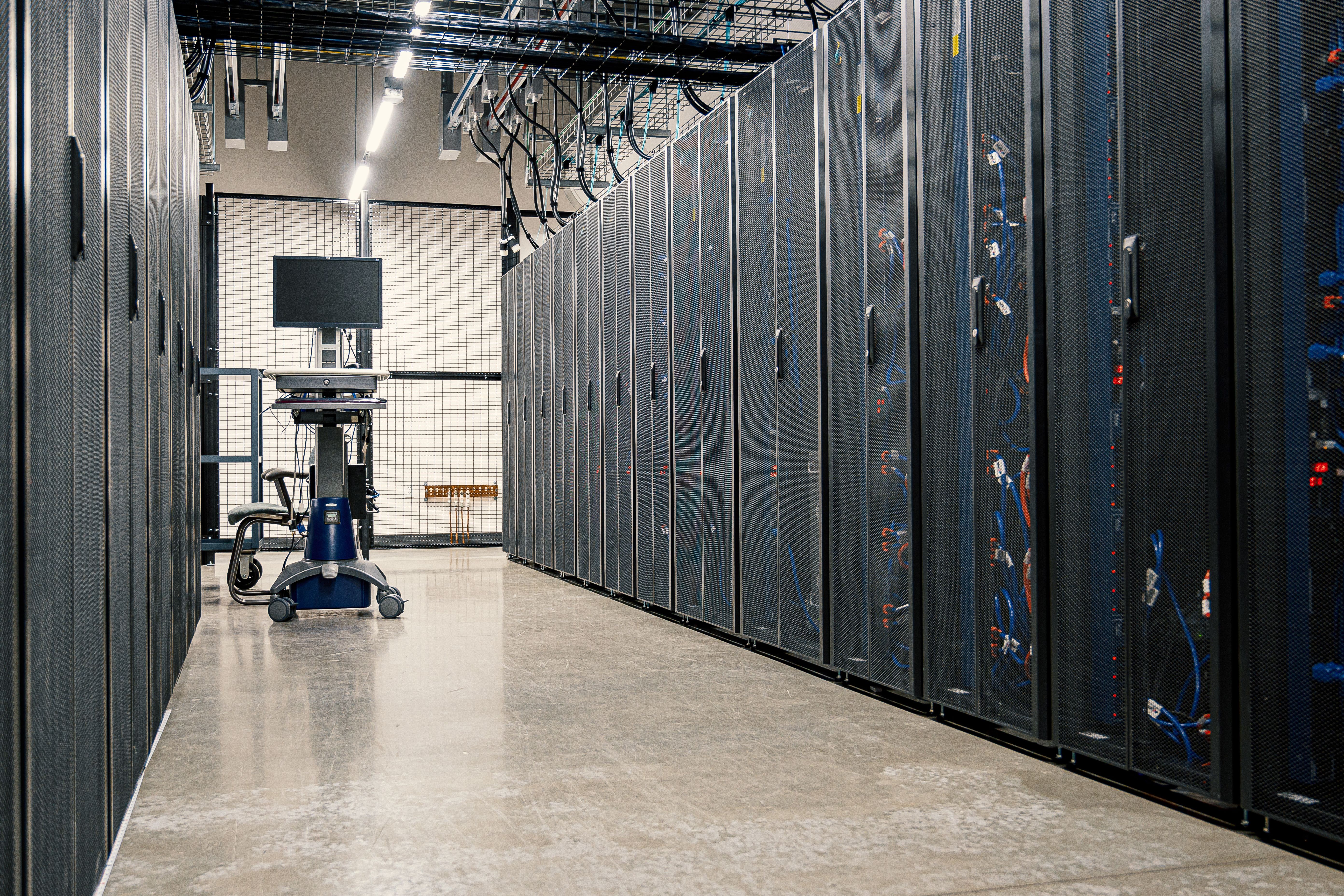
AI inference chipmaker SambaNova raised $1 billion at an $11 billion valuation, and JPMorgan Chase selected its systems to run internal AI workloads. It's the company's second major funding round in five months.
SambaNova Systems, a maker of specialized chips for AI inference, announced the first close of a $1 billion Series F round at an $11 billion valuation. The round comes alongside news of a major customer win: JPMorgan Chase has selected SambaNova's systems as infrastructure for running AI inference inside the bank.
Why the Capital Is Needed
SambaNova CEO Rodrigo Liang explained that the funds are meant to scale the business and secure its supply chain. That wording is no accident: the company needs cash to fulfill orders and buy components for the next twelve months, at a time when demand for inference compute is growing faster than semiconductor suppliers' production capacity.
These are the funds needed to fulfill orders and purchase the materials the company will need over the next twelve months - Rodrigo Liang, CEO of SambaNova
The round comes just five months after SambaNova raised $350 million in its Series E in February 2026. The pace of fundraising shows how costly the race for a place in the AI supply chain, long dominated by Nvidia, has become. It's also worth noting that as recently as December 2025, Intel was reportedly in talks to acquire SambaNova at a valuation of around $1.6 billion; today the company is valued nearly seven times higher.
JPMorgan Bets on On-Premise Inference
JPMorgan Chase's choice of SambaNova matters beyond the value of the contract itself. The bank has decided to deploy SN40L and SN50 systems for secure, on-premise AI inference, meaning it will process language model queries on its own infrastructure rather than sending data to external clouds. For a financial institution bound by strict customer data protection requirements, that approach is often the only acceptable path to deploying AI at scale.
The SN50 chip, unveiled in February 2026, is designed to fit models with trillions of parameters onto a single server rack. Production and shipments will begin in the second half of the year, with Japan's SoftBank as the first deployment partner. That architecture, packing more compute density than typical GPU-based systems, is meant to be SambaNova's key selling point to banks, neutral clouds and government customers building sovereign AI infrastructure.
What It Means for the Market
The scale of investment in AI inference infrastructure shows that after the phase of training large language models, the cost burden is shifting toward running them in production, that is, inference. It's a segment where SambaNova, Groq and a handful of other chip startups are trying to take market share from Nvidia by offering cheaper or faster query handling for specific enterprise use cases.
For Polish companies and financial institutions watching this market, the signal echoes what's already happened with language models: the cost of running AI on in-house infrastructure will keep falling, and the list of alternatives to Nvidia and the major hyperscalers will keep growing. That could make it easier for banks and public institutions in Poland to build AI systems that run locally, without sending data abroad.
The round's investors also included Vista Equity Partners, Battery Ventures and the Qatar Investment Authority, a sign that capital for AI infrastructure is now flowing in from both venture funds and large sovereign wealth funds seeking exposure to the sector beyond Nvidia alone.

