News
Headphone Chipmaker Syntiant Files for Nasdaq IPO
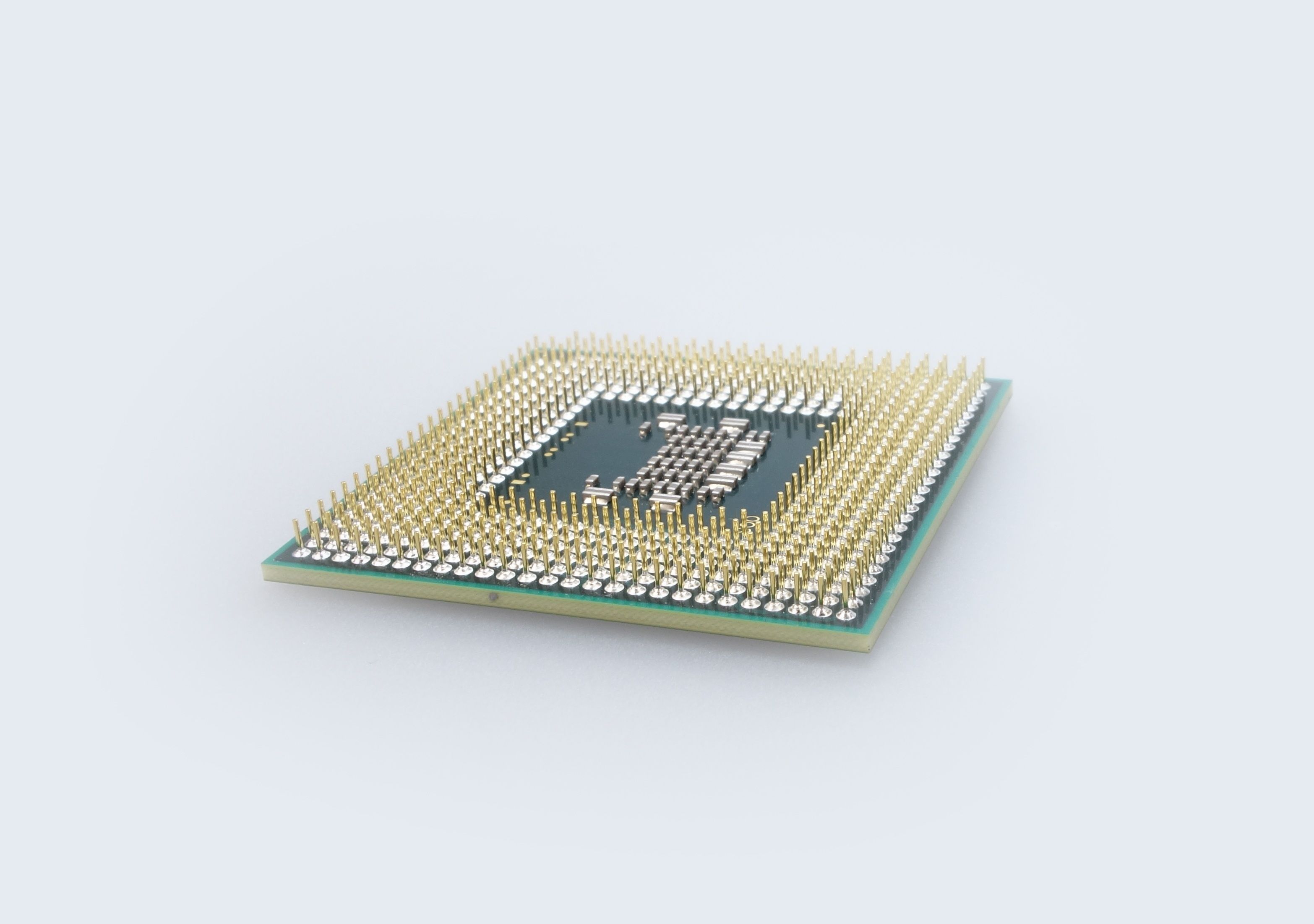
Backed by Intel and Microsoft, Syntiant, a maker of energy-efficient AI processors for wearables and automotive, has filed for a Nasdaq IPO under the ticker SYTN, aiming to raise up to $300 million.
Syntiant, a California-based maker of energy-efficient AI processors for headphones, wearables, and cars, filed a public S-1 registration for a Nasdaq listing on July 6. The company, backed by Intel and Microsoft, plans to list shares under the ticker SYTN and is hoping to raise as much as $300 million.
Syntiant was founded in 2017 and has focused from the start on what it calls Neural Decision Processors, chips that let speech and sound recognition models run directly on a device without sending data to the cloud. The technology has already shipped in more than 100 million devices, from wireless earbuds to industrial security systems and automotive modules.
Business Without Large-Model Hype
Unlike companies building language models, Syntiant isn't competing on parameter counts. Its edge is power consumption measured in milliwatts, letting its processors run for weeks on the battery of a headphone or sensor without recharging. Customers aren't buying cloud compute, they're buying a physical chip built into the device that recognizes voice commands, ambient sounds, or sensor data locally and instantly.
The company's revenue growth still comes mainly from sensor sales, though the share of AI processors and models in that mix keeps rising. In late 2024, Syntiant acquired Knowles' consumer MEMS microphone business, further strengthening its position with headphone and wearable makers.
IPO in Cerebras's Shadow
Syntiant's filing arrives on the heels of Cerebras Systems' high-profile debut, which market watchers read as a sign that investors are willing to pay for hardware companies with AI exposure, not just language-model builders. Syntiant's offering is being led by a broad syndicate of investment banks headed by Citigroup, Bank of America, and UBS, supported by, among others, Needham, Stifel, Cantor Fitzgerald, and Nomura.
The company has not yet disclosed a share price range or target market valuation, which is typical at this stage of the process, that information usually surfaces in later amendments to the prospectus, shortly before the roadshow with institutional investors begins.
What It Means for AI Hardware
Syntiant's debut shows that the AI race isn't only being fought over the cloud models of OpenAI, Anthropic, or Google, but also over the chips that bring artificial intelligence onto end devices. For consumer electronics and automotive makers, that's a meaningful signal, since these processors let them offer voice features and context recognition without a constant internet connection or per-query fees for cloud models.
It's also further evidence that public markets are starting to price two categories of AI companies separately: large language model builders that still post losses in the name of growth, and specialized hardware makers like Syntiant that can show growing, if still unprofitable, financials backed by concrete deals with Intel and Microsoft.
The final timing of the listing depends on the pace of the review by the US Securities and Exchange Commission and on market conditions. The company has not yet announced a date for its first trading day.