News
Linus Torvalds Backs AI's Role in Linux Kernel Development
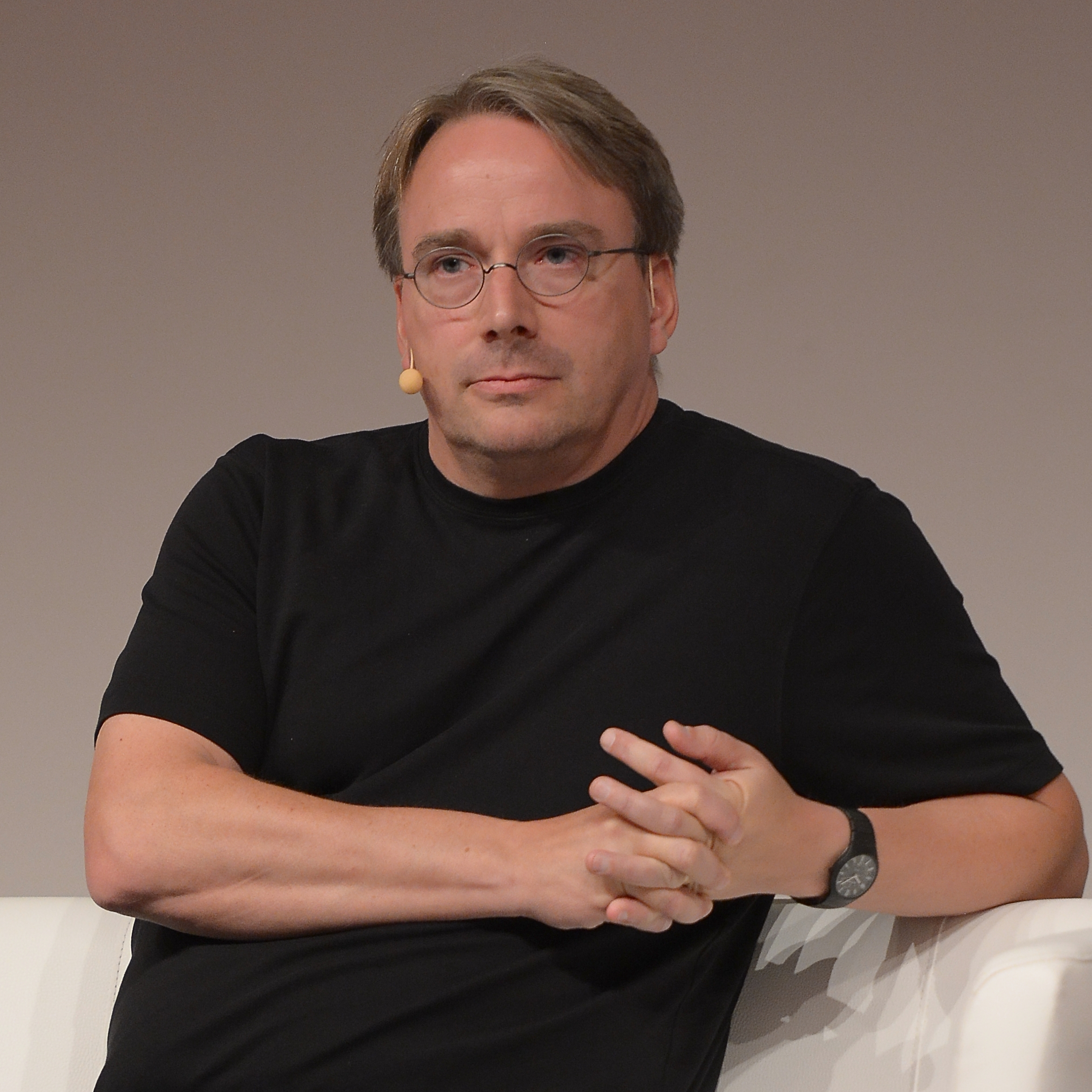
Linux creator Linus Torvalds told the kernel mailing list the project isn't "anti-AI" and that opponents of artificial intelligence can fork the code or leave. The remark marks a shift from his earlier criticism of a flood of automatically generated patches.
Contents
Linus Torvalds, the creator and chief maintainer of the Linux kernel, has come down firmly on the side of using artificial intelligence in the project's development. In a message posted July 15, 2026 to the kernel mailing list, he wrote that Linux is not one of those "anti-AI" projects, and that anyone bothered by that can do what open source has always allowed: fork the code, or simply walk away.
What sparked the dispute
The immediate trigger was Sashiko, a tool built by Google engineer Roman Gushchin that uses language models to automatically review patches submitted to the Linux kernel. The system is designed to catch errors and suggest fixes before a submission ever reaches a human maintainer.
Longtime kernel contributor Laurent Pinchart raised objections. In his view, comments generated by Sashiko should first go through manual review by the maintainers of the relevant code before being sent directly to patch authors. The discussion also touched on a broader question: whether contributors should be able to opt out of automated AI review entirely.
Torvalds' position
Torvalds left no doubt about where he stood. In his message, he wrote that he's aware part of the community can't stand AI, but that this is an area where, as the project's chief maintainer, he's willing to draw a hard line. He stressed that Linux has never been a project hostile to new tools and has no intention of becoming one now.
Linux is not one of those anti-AI projects, and if somebody has issues with that, they can do the open-source thing and fork it. Or just walk away - Linus Torvalds, chief maintainer of the Linux kernel
Anybody who doubts that clearly hasn't actually used it - Linus Torvalds, chief maintainer of the Linux kernel
Torvalds added that no one is being forced to use AI tools, but that he will just as firmly ignore anyone trying to discourage others from using them. He also noted that decisions in the project are made on the technical merits of a solution, not out of fear of new tools.
Earlier criticism and a shift in tone
The July 15 message marks a notable shift from the tone Torvalds struck toward AI just months earlier. Earlier in 2026, he had publicly complained about a wave of automatically generated submissions that, in his view, added little value while bloating the testing process and destabilizing the kernel's release cycle. At the time, he blamed part of those problems on automatically generated patches and bug reports.
Torvalds acknowledged that AI can be "a somewhat painful tool," but said the answer isn't to bury your head in the sand. In his message, he wrote that there's no point pretending the problem doesn't exist by singing "la la la, I can't hear you," as some critics do.
What it means for the community
Torvalds' declaration carries weight well beyond the Linux kernel itself. The kernel is one of the oldest and most conservative open-source projects in the world when it comes to code review process, and its patch-review rules have for decades been treated as a benchmark by other developer communities. A clear endorsement of AI tool integration into that process by the project's chief maintainer could accelerate similar moves at other major open-source projects that have so far held back.
For companies and developers relying on Linux, it also means automated patch review through tools like Sashiko is most likely here to stay, and the debate will shift from whether AI belongs in the process to exactly how it should work, including whether and how contributors will be able to opt out of such review.
