News
Polish Content Creators Retreat From AI Writing Tools, Report Finds
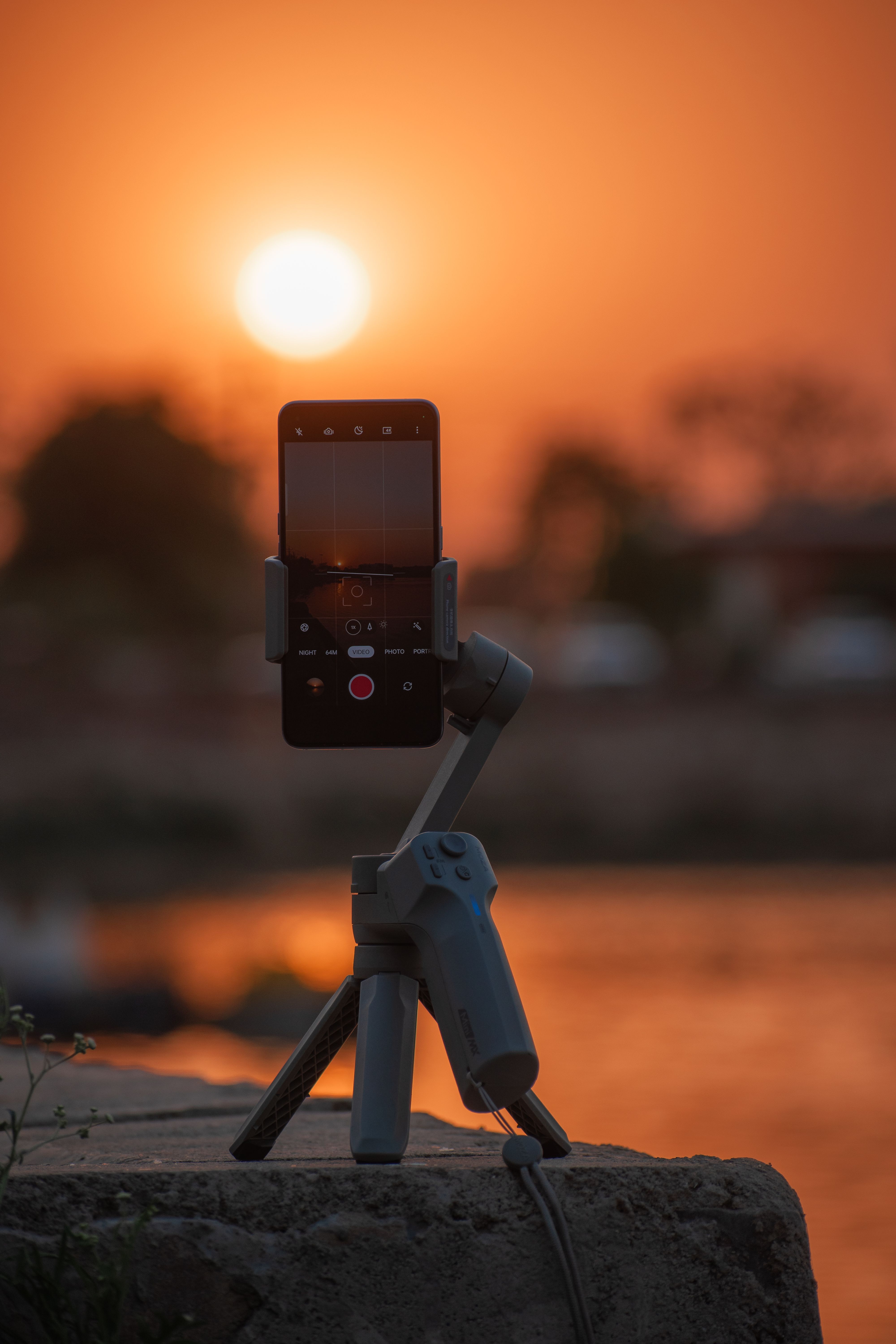
The fourth edition of Poland's Ekonomia Twórców (Creator Economy) report finds that three-quarters of Polish online creators used AI to generate content a year ago; today fewer than half still do.
Contents
Polish content creators are abandoning automated AI content generation en masse. The latest edition of the Ekonomia Twórców (Creator Economy) report, prepared by the firm Imker, found that a year ago three-quarters of surveyed creators used AI to write posts, scripts, or copy. Today that share has fallen below half.
The study was carried out by Imker together with Influencers Live Wrocław, the BuyCoffee.to platform, and the GIRLBOSSKIE community. It is the largest recurring survey of the health of Poland's creator economy, running for four years now on a sample of several hundred people who earn money online, from influencers and YouTubers to newsletter writers and online course creators.
Retreat From Ready-Made Copy
The most telling shift concerns how creators actually use AI tools. In the previous edition of the survey, the share of respondents who said they generated finished text for their communication channels was nearly twice today's 43 percent. Creators aren't dropping AI entirely, but they're pushing its use earlier in the workflow, into brainstorming, publication planning, translation, and summarizing long material.
The report's authors attribute the change to growing audience irritation with content that reads as recognizably machine-generated. When AI takes over a spot where audiences expect an authentic, human voice, the usual result is lower engagement and a loss of viewer attention that's hard to win back. In practice, that means publishing polished but unedited generator output has stopped paying off for creators.
Using AI No Longer Sets You Apart
The report's second thread is market maturation. Now that practically everyone has access to text and image generators, simply using AI is no longer a differentiator. Competitive advantage increasingly goes to creators who can pair the tools with their own recognizable perspective and relationship with their audience, not to those who replace themselves with a generator.
That's a reversal of the trend from previous years, when each edition of the survey recorded steady growth in AI's popularity among Polish creators, at times by dozens of percentage points year over year. This year's decline is the clearest signal yet that enthusiasm for automated content generation has hit a ceiling and started to recede.
Creators Bet on Their Own Products
The report also shows that Polish creators' earnings model is shifting further away from one-off brand deals toward owned digital products: courses, templates, subscriptions, and e-books. In this year's edition, 31 percent of respondents said creating such products was a priority, up 16 percentage points from a year earlier.
Creators who earn mainly from their own products are nearly twice as likely to reach monthly revenue above 10,000 zloty as those whose business relies on brand advertising partnerships. A brand deal can be lucrative, but it stays a one-off, while an owned digital product generates repeat revenue.
What This Means for Poland's Content Market
For brands and agencies working with creators, the report's takeaways are concrete: recognizably generative content is starting to work against campaigns, as social media audiences get better at telling human-made material from machine-made material. Companies planning creator campaigns should expect influencers to start limiting the visible role of AI in their published content on their own, treating the tools as workflow support rather than a source of finished material.
The pattern fits into a broader, global fatigue with what's known as AI slop, mass, low-quality output generated without human editing. Polish creators, for whom reputation and audience relationships are the core professional asset, appear to be reacting to this trend faster than large platforms and publishers.
The next edition of the Ekonomia Twórców report will show whether the drop in interest in AI-generated finished text is a lasting change in habits or a temporary correction after a period of experimenting with new tools. For now, the data suggests Polish online creators are treating artificial intelligence more and more selectively, as help with specific, repeatable tasks rather than a substitute for their own creative work.