News
Trump Administration Split Over Chinese AI Ban as 200 Startups Protest
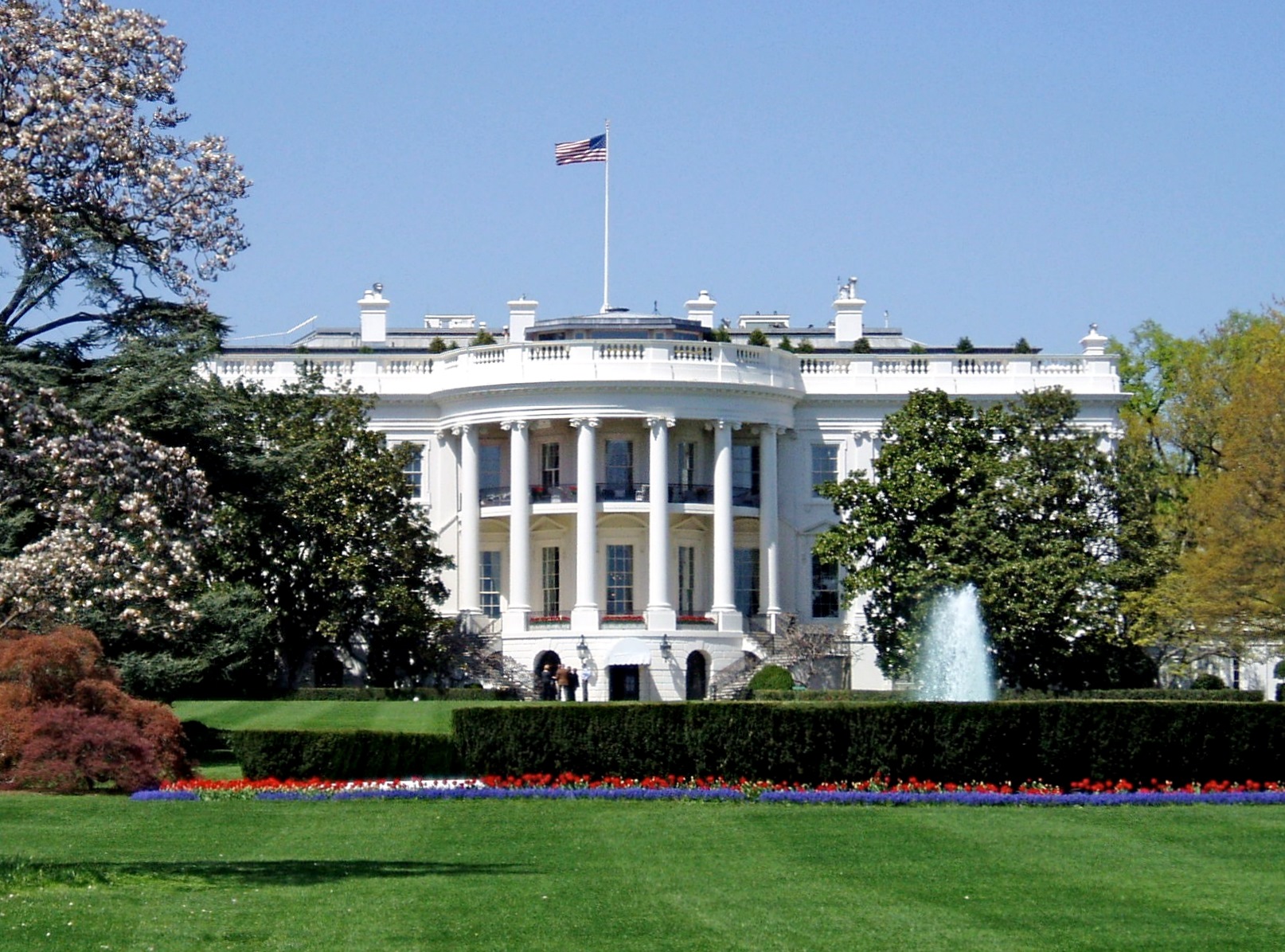
The White House is weighing hard restrictions on Chinese open-weight AI models, but the Commerce Department calls a ban impractical. Nearly 200 Silicon Valley startups sent a letter urging Trump not to shut off access to Chinese models entirely.
Contents
Within Donald Trump's administration, a dispute is underway over how to respond to the breakneck progress of Chinese artificial intelligence models. Part of the White House wants hard restrictions on companies like Moonshot AI, Alibaba, and DeepSeek, but the Commerce Department believes the proposed bans are in practice unworkable. Nearly 200 startups have already joined the fight, warning in a letter to the president against cutting off access to Chinese open-weight models.
Two camps in Washington
According to Axios, the dispute within the administration runs along a familiar fault line. Advocates of open competition, until recently represented by former White House adviser Sriram Krishnan, spent months blocking the most restrictive proposals. But after personnel changes in the administration, the voice of national security hawks has gained strength, and hardline proposals are back on the table.
The Commerce Department, which oversees export controls through the Entity List, had not prepared any concrete proposal by Wednesday, July 22, to add Chinese AI companies to the list. Instead of one dramatic ban, Washington is playing what Axios calls a longer, more durable game: procurement rules, threats of Entity List designation, and public pressure campaigns targeting American companies that use Chinese models.
What was proposed
Among the options under consideration was an executive order under which American companies could host Chinese models only if they guaranteed security and accepted legal liability in the event of a violation. The Commerce Department also circulated a draft using domestic supply-chain authorities to target Chinese open-source models. On top of that, warnings from the National Security Agency and the White House Office of the National Cyber Director were reportedly under consideration, meant to publicly discourage American companies from using Chinese technology.
Startups speak up
The Little Tech Association, representing nearly 200 venture-backed startups, argues that restricting access to Chinese open-weight models would hurt exactly the companies driving the next wave of American innovation. According to the organization, a ban would raise costs for startups, limit competition, and cement the market position of a handful of dominant American AI labs.
American leadership requires two things: world-leading American open-weight models and continued access for U.S. builders to open models already available worldwide - Little Tech Association, open letter to the Trump administration
Instead of an outright ban, the organization proposes targeted safeguards that would limit the risk without cutting American developers off from models already available for download worldwide. Open-weight models, unlike closed commercial systems, publish their trained parameters, letting developers download, fine-tune, and run them on their own infrastructure without the maker's permission.
A warning against regulatory capture
David Sacks, until recently serving as an informal White House adviser on AI, has warned for months about the risk of so-called regulatory capture, a situation in which hardline regulations introduced in the name of safety end up serving the interests of the largest American labs at the expense of smaller players.
The danger is in abandoning that approach in favor of bureaucratic controls fueled by hysteria, fear, and companies seeking regulatory capture - David Sacks
Sacks has previously estimated that China remains three to six months behind the United States in the AI race, calling the competition very close. The breakthrough results of Moonshot AI's Kimi K3 model, which outperformed some American systems on coding benchmarks, have further fueled the debate over whether Washington should respond with restrictions or with investment in the competitiveness of its own labs.
What it means for Europe and Poland
The dispute playing out in Washington matters beyond the American market. If the US decides on hard restrictions on access to Chinese open-source models, European and Polish companies using these tools through American cloud providers could feel the effects indirectly, through changes to terms of service or API availability. On the other hand, the absence of such restrictions would preserve the status quo, in which companies worldwide freely use Chinese open-weight models to build their own products.
For now, neither side of the dispute has settled the direction of policy. The Commerce Department has not prepared a formal proposal to add Chinese companies to the Entity List, and the White House has not signed an executive order. A decision is expected in the coming weeks, under growing pressure from both security hawks and a coalition of startups defending open access to technology.