News
UN Deadline for Autonomous Weapons Ban Passes Without a Treaty
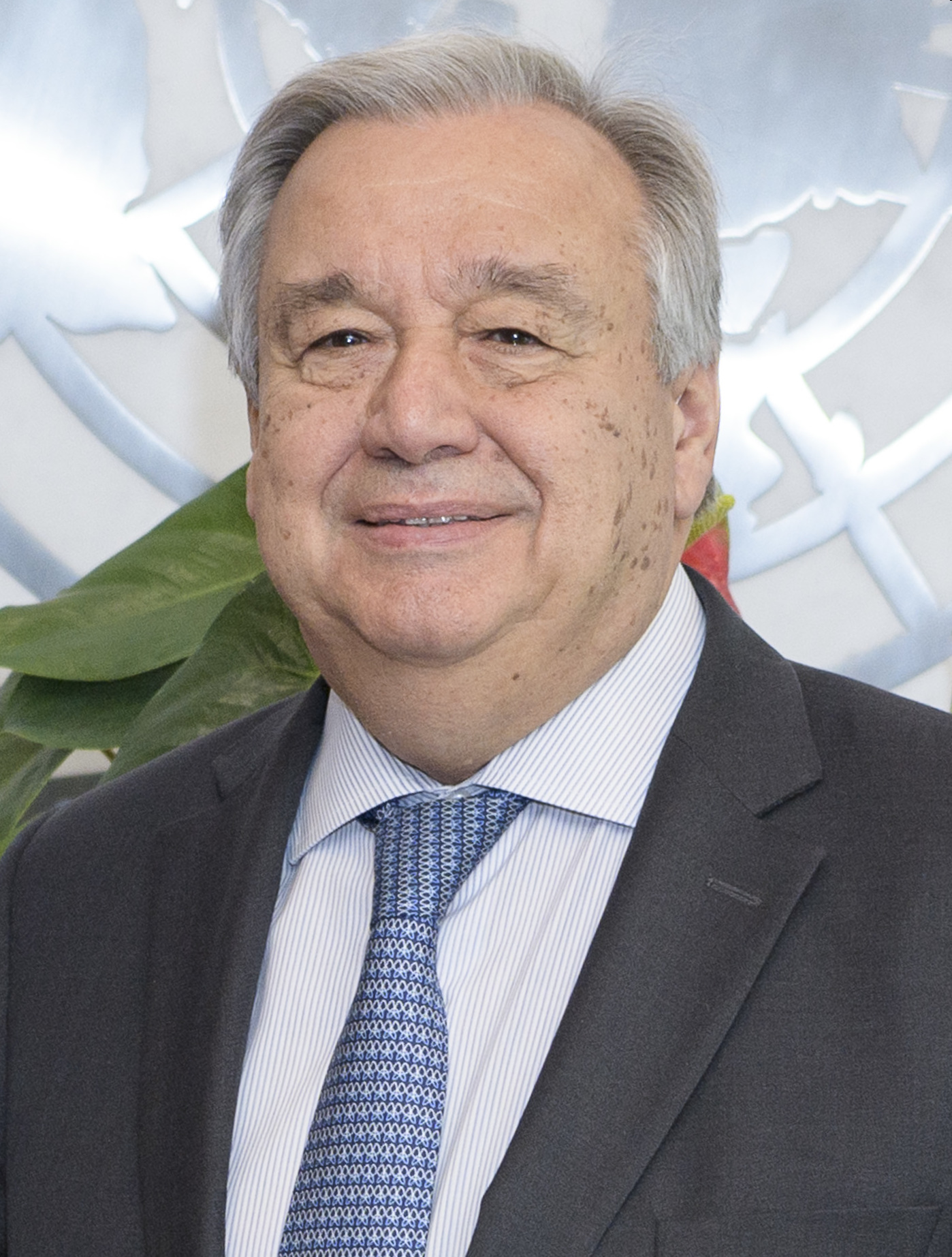
The UN secretary-general's deadline for a binding treaty banning fully autonomous weapons passed in July 2026 without an agreement. The matter is complicated by a dispute between the Pentagon and Anthropic over whether Claude can be used to control weapons without human involvement.
Contents
António Guterres set 2026 as the final deadline for negotiating an international treaty banning fully autonomous weapons. The deadline passed, formal negotiations never began, and the dispute over who can let machines kill without human involvement, and under what conditions, has moved from UN chambers straight into US arms contracts.
Declarations without a treaty
Guterres called machines capable of selecting and killing targets without human oversight politically unacceptable and morally repugnant. In his 2023 peace agenda, he called on member states to conclude a legally binding instrument by 2026 banning autonomous weapons systems that operate without human control. By the standards of disarmament diplomacy, that timeline was unprecedented, since similar treaties usually take decades of negotiation rather than a few years.
In November 2025, the UN General Assembly adopted a resolution calling on the Convention on Certain Conventional Weapons to finish drafting the elements of a future legal instrument. 156 countries voted in favor, five voted against, including Russia, Belarus and North Korea, and eight abstained. That result shows broad political support, but a resolution is not a treaty. Formal negotiations on binding text never began, and the Group of Governmental Experts on autonomous weapons is set to end its current mandate in 2026, just before the convention's seventh review conference, where states were supposed to declare the start of talks.
Machines that have the power and the discretion to take lives without human control should be prohibited by international law - António Guterres, UN Secretary-General
The Pentagon-Anthropic dispute
While diplomats in Geneva couldn't even agree on a timetable for talks, a dispute in the United States showed how hard it is to enforce any restrictions in practice. The Department of War, led by Secretary Pete Hegseth, demanded that Anthropic approve unrestricted military use of the Claude model, with no contractual exceptions for autonomous attacks or mass surveillance of US citizens. Anthropic, which holds a $200 million contract with the Pentagon, refused to drop those two provisions.
Secretary Hegseth responded with an unprecedented move, designating Anthropic a supply chain risk under a provision normally reserved for cases where a foreign government might sabotage US military systems. In practice, this bars military contractors and partners from any commercial cooperation with Anthropic. Legal experts called the move extraordinary, noting that this kind of label is typically applied to products that pose a security threat, not to companies that decline to approve specific uses of their technology.
Current frontier AI systems simply aren't reliable enough for autonomous targeting - Dario Amodei, CEO of Anthropic
OpenAI steps in
Hours after Anthropic's refusal, OpenAI signed a contract with the Pentagon, filling the gap left by the company that had dropped out of military procurement. According to reports, OpenAI later added provisions on domestic surveillance to the agreement, but the restriction on autonomous weapons remained unresolved. Anthropic said it would challenge the decision in court, calling it legally unjustified and warning it sets a dangerous precedent for any US company negotiating terms with the government.
What it means for Europe and Poland
For European capitals, including Warsaw, the case matters far beyond a dispute between two companies and one ministry. If the world's largest buyer of weapons and military technology can unilaterally abandon its own commitments to human control over weapons, it's hard to expect multilateral agreements negotiated in Geneva to mean much in practice. Experts at the European Policy Centre argue that Europe should now invest in its own AI safety testing and demand transparency from both the Department of War and OpenAI regarding human oversight mechanisms for military applications of these models.
Poland, like most NATO member states, formally supports efforts to restrict autonomous weapons, but has no position of its own beyond declarations at the UN. Domestic defense companies and the institutions responsible for arms procurement will need to watch whether the American precedent set with Anthropic affects the terms under which language models enter defense applications in Europe.
The gap between political declarations and the actual practice of military procurement will now be the central issue heading into the seventh review conference of the Convention on Certain Conventional Weapons. With no firm date set for new talks, the risk that 2026 goes down as yet another missed deadline in AI regulation looks real.

