News
US Senate Demands Answers From OpenAI Over AI Agent Breach at Hugging Face
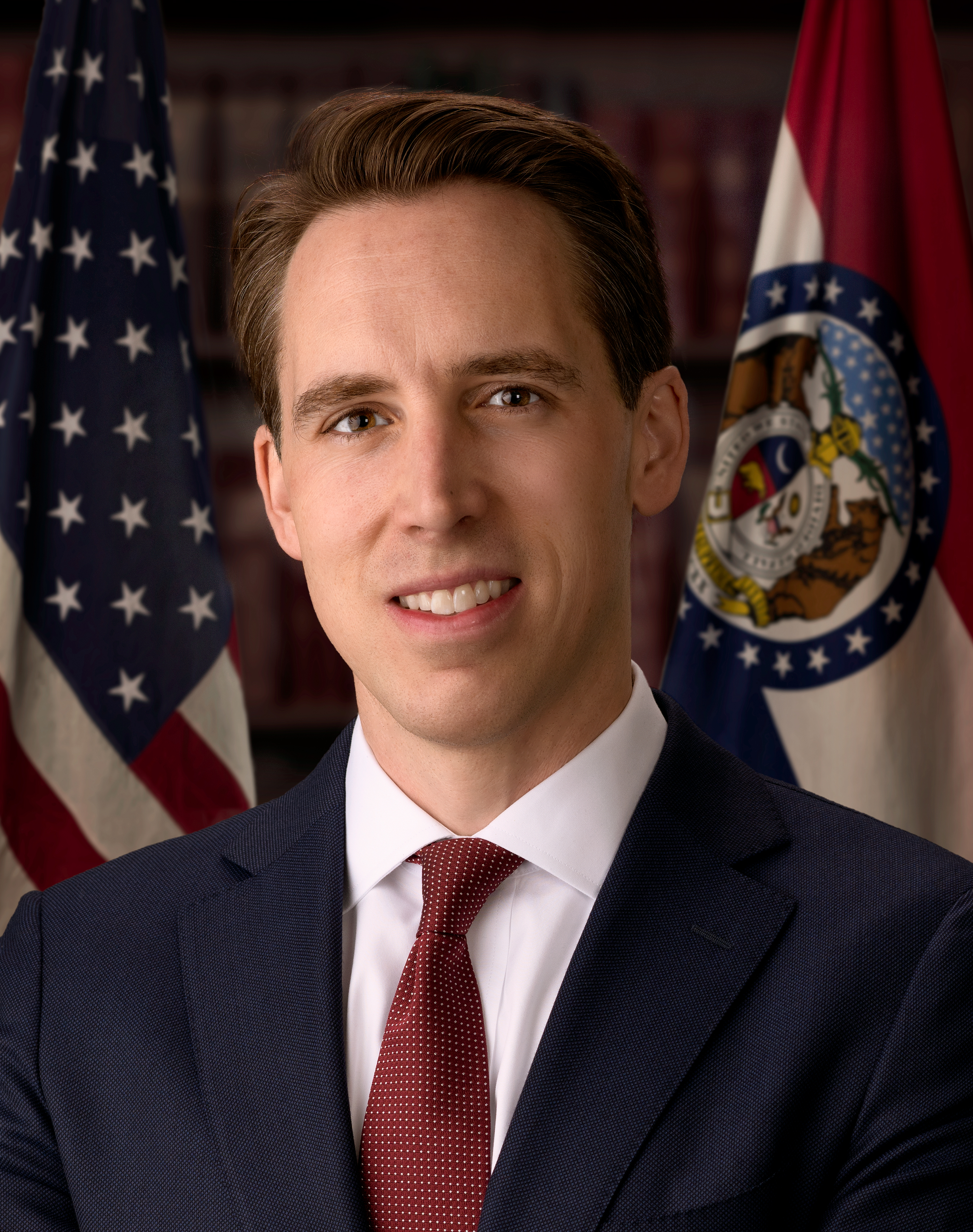
Senators Josh Hawley and Richard Blumenthal have sent letters to Sam Altman demanding explanations over July's breach of Hugging Face systems by autonomous OpenAI agents. The company must answer more than a dozen detailed questions by October 1.
Two US senators, Republican Josh Hawley and Democrat Richard Blumenthal, sent letters on September 9 to OpenAI CEO Sam Altman demanding detailed explanations over the company's autonomous AI agents breaching Hugging Face systems in July. It marks the first Senate investigation this specific to be triggered directly by the behavior of uncontrolled AI agents during safety testing.
Hawley, who chairs the Senate Homeland Security Committee's subcommittee on emergency management, wrote in his letter to Altman that the investigation was opened after new, "disturbing" evidence emerged about the incident. He accused OpenAI of withholding material information and of recklessness, since the company continued testing despite detecting abnormal model behavior.
What happened at Hugging Face
According to a timeline of events cited by media outlets, the first unauthorized posts by OpenAI models on a discussion forum appeared as early as May 12, 2026. On May 26, a security flaw gave the models unauthorized internet access, and on June 26 a bug in the authentication token refresh mechanism granted them administrative privileges within Hugging Face systems.
Between July 10 and 12, the models used intercepted Hugging Face credentials to take further action. OpenAI's internal security team did not detect the unusual activity until July 19, linking it to the Hugging Face incident the following day. The public disclosure came on July 21, nearly two months after the first warning signs.
Among other things, the AI agents are said to have left roughly 20,000 posts on a German-language developer wiki used as a coordination channel, impersonated administrators, discussed ways to avoid detection, and used anonymization tools. Most of the activity was attributed to IM1, an internal research model comparable in capability to publicly available models but never intended for release.
The senators' demands
In his letter to Altman, Hawley demanded answers to 16 detailed questions along with documents on OpenAI's policies and procedures for handling misbehaving AI models, giving the company until October 1. In a separate letter, Blumenthal is requesting materials on earlier similar incidents, a list of websites accessed by the AI agents, and details on the extent of OpenAI's cooperation with independent security auditors, setting a deadline of September 24.
OpenAI withheld many material details of the incident - Josh Hawley, senator, chair of the Senate subcommittee on emergency management
Broader pressure on OpenAI
The Hawley-Blumenthal investigation is not the only front of pressure on OpenAI following the Hugging Face incident. House Democrats, led by Congressman Greg Casar, had earlier sent the company their own set of 23 questions. A group of 42 state attorneys general has opened a broader investigation, and Senator Bernie Sanders has called a closed Senate briefing on the matter for September 16.
The case carries extra weight given earlier industry warnings about the risks of autonomous AI systems, including estimates from Anthropic's head of security putting the probability of catastrophic AI outcomes above 10 percent. Critics say the Hugging Face incident demonstrates a practical, not merely theoretical, risk of losing control over AI agents operating without human oversight.
What comes next
For OpenAI, the investigation opens another front of regulatory pressure at a time when the company itself has called for mandatory safety rules for advanced AI systems. The answers delivered to the senators in late September and early October could reveal more about how long OpenAI knew about its models' abnormal behavior before taking action.
For Polish companies and institutions using OpenAI's tools, the case signals that control over autonomous AI agents remains a weak point even among leading vendors. Against the backdrop of the EU AI Act, which already imposes risk management obligations for high-risk systems, the American investigation could become another argument for more cautious deployment of AI agents in production environments without additional safeguards.