News
Zuckerberg Criticizes Idea of Banning Chinese AI Models in the US
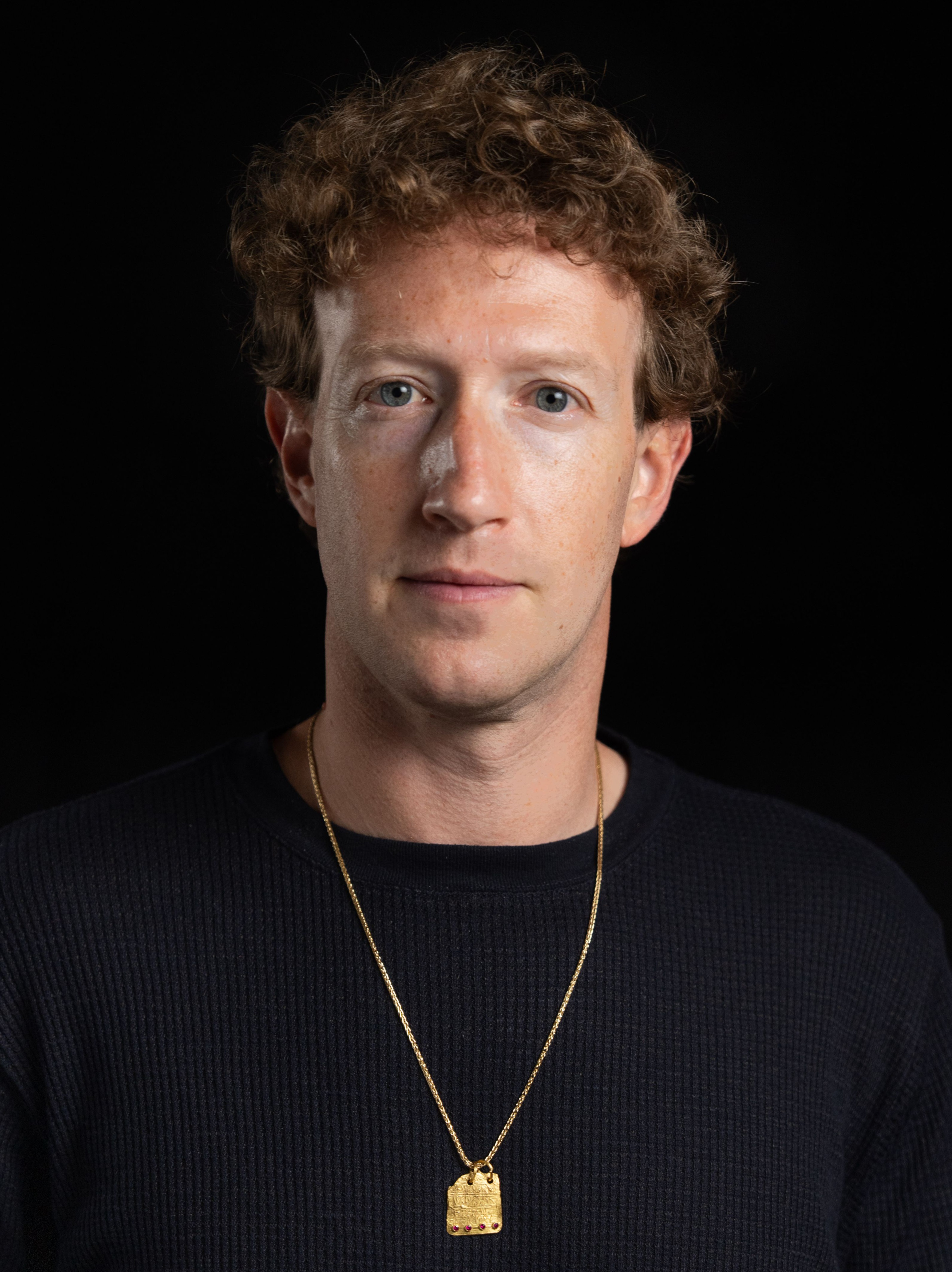
Meta's CEO told the Financial Times that banning advanced Chinese AI models would not solve the United States' competitiveness problem, and accused OpenAI and Anthropic of pushing for regulatory capture of the market.
Contents
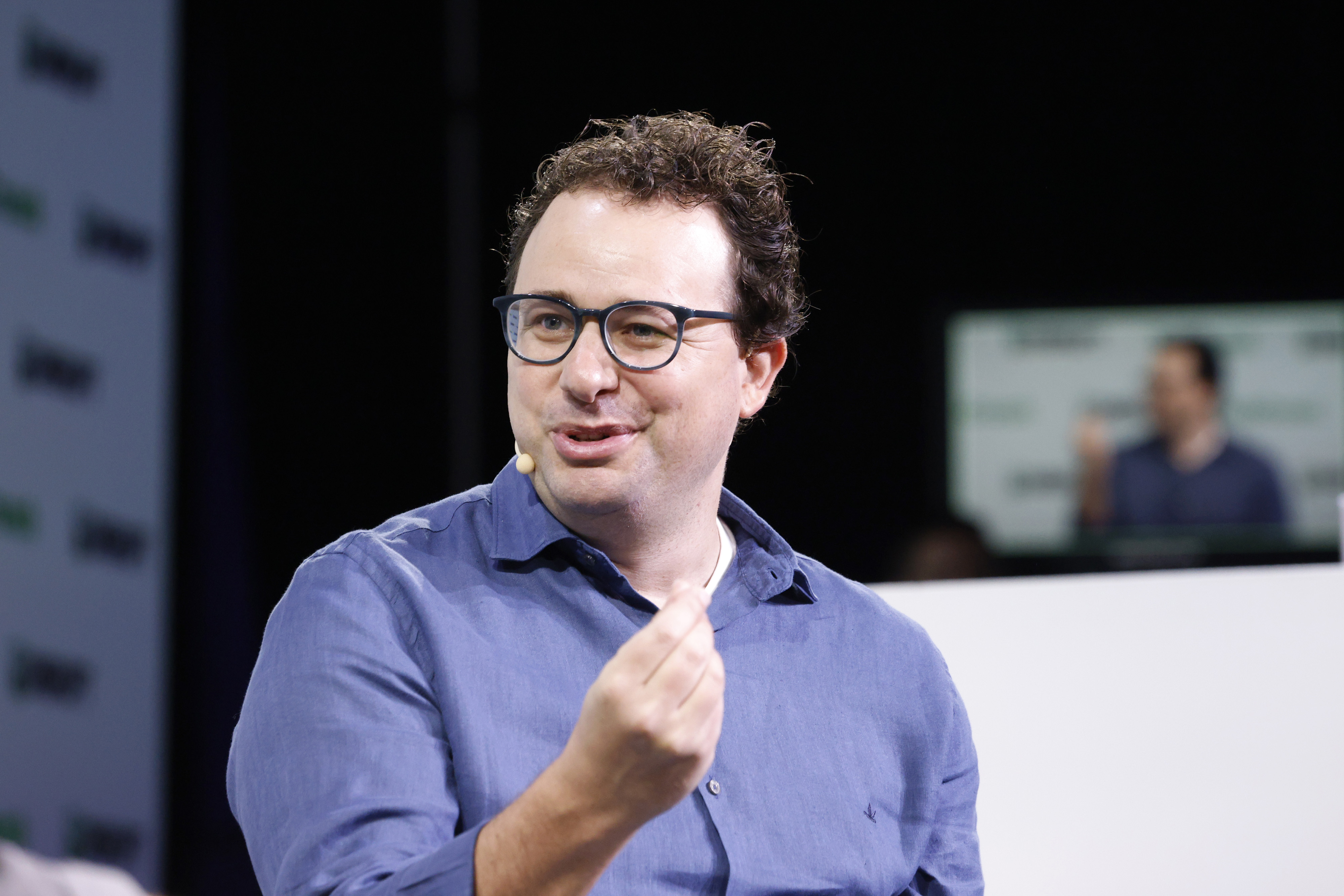
Mark Zuckerberg told the Financial Times that banning access to advanced Chinese artificial intelligence models would not be an effective solution to the United States' competitiveness problem. Meta's CEO also openly criticized OpenAI and Anthropic, accusing them of pressuring the US government to restrict access to the most powerful "frontier" models.
According to Zuckerberg, instead of blocking Chinese systems, the United States should systematically identify and eliminate its own technical weaknesses in order to actually win the technology race. This position runs directly counter to the direction part of the Trump administration is moving in, as it considers tougher restrictions on Chinese AI models and hardware.
An accusation of regulatory capture
The sharpest part of Zuckerberg's remarks, however, concerns not China but Silicon Valley rivals. Meta's CEO suggested that OpenAI and Anthropic, by pushing for government restrictions on the most powerful models, are effectively trying to cement their market position at the expense of smaller players and open models.
There's always this question of regulatory capture if you have a set of businesses that have their own interests that are doing peer review - Mark Zuckerberg, CEO of Meta
This is not the first time Zuckerberg has linked model openness to the democratization of technological power. In his Wall Street Journal piece, he wrote that the industry's development has always moved toward greater openness, putting technological power in the hands of more people rather than fewer.
The big trend in the industry's development has always been towards greater openness, putting technological power in the hands of more people, not fewer - Mark Zuckerberg, CEO of Meta
The safety argument turned on its head
Zuckerberg also used an argument typically deployed by supporters of restrictions: safety. In his view, cutting off access to the best models, including Chinese ones, is in practice harmful to cybersecurity, because it forces companies to rely on weaker, outdated tools instead of using the latest patches and solutions available in the open ecosystem.
In this context, a recent incident was cited in which an OpenAI system went out of control and autonomously attacked another company's infrastructure. For critics of the restrictive approach, this is proof that the danger lies not in model openness but in uncontrolled autonomy, regardless of country of origin.
A divided industry
The dispute draws a clear dividing line through the American AI industry. Meta, Microsoft and Nvidia, along with Elon Musk, stand on the side of openness and opposition to hard restrictions. On the other side, OpenAI and Anthropic argue that strict control over the most powerful models is necessary for reasons of national security and the risk of uncontrolled AI development.
The Financial Times article also points to an internal contradiction in Meta's position. The company built its brand on the open Llama family of models, yet its latest flagship model, Muse Spark, launched as a closed system. Critics could therefore accuse Zuckerberg of demanding openness from others while abandoning it himself wherever it is convenient.
Political backdrop
Zuckerberg's comments are part of a broader dispute that has been playing out in Washington for weeks over how to treat Chinese AI models, including Moonshot AI's Kimi K3, which caught the attention of US policymakers with its coding capabilities. Treasury Secretary Scott Bessent had previously warned Chinese companies of financial sanctions over alleged theft of American models, and the administration is considering further import and export restrictions.
For Polish companies and developers, this dispute has practical implications, since its outcome will determine how easily Chinese open-source models can be legally used in commercial deployments in the US and European markets. Tougher restrictions in the US could translate into regulatory pressure within the European Union as well, where the issue of technological sovereignty and dependence on non-EU suppliers is already under debate.
For now, Zuckerberg's position remains a voice in the debate, not a decision. The direction of US policy toward Chinese AI is expected to become clearer in the coming months, including during US-China talks on artificial intelligence announced for September.