News
Accept Guitarist Warns AI Could Replace Bands Entirely
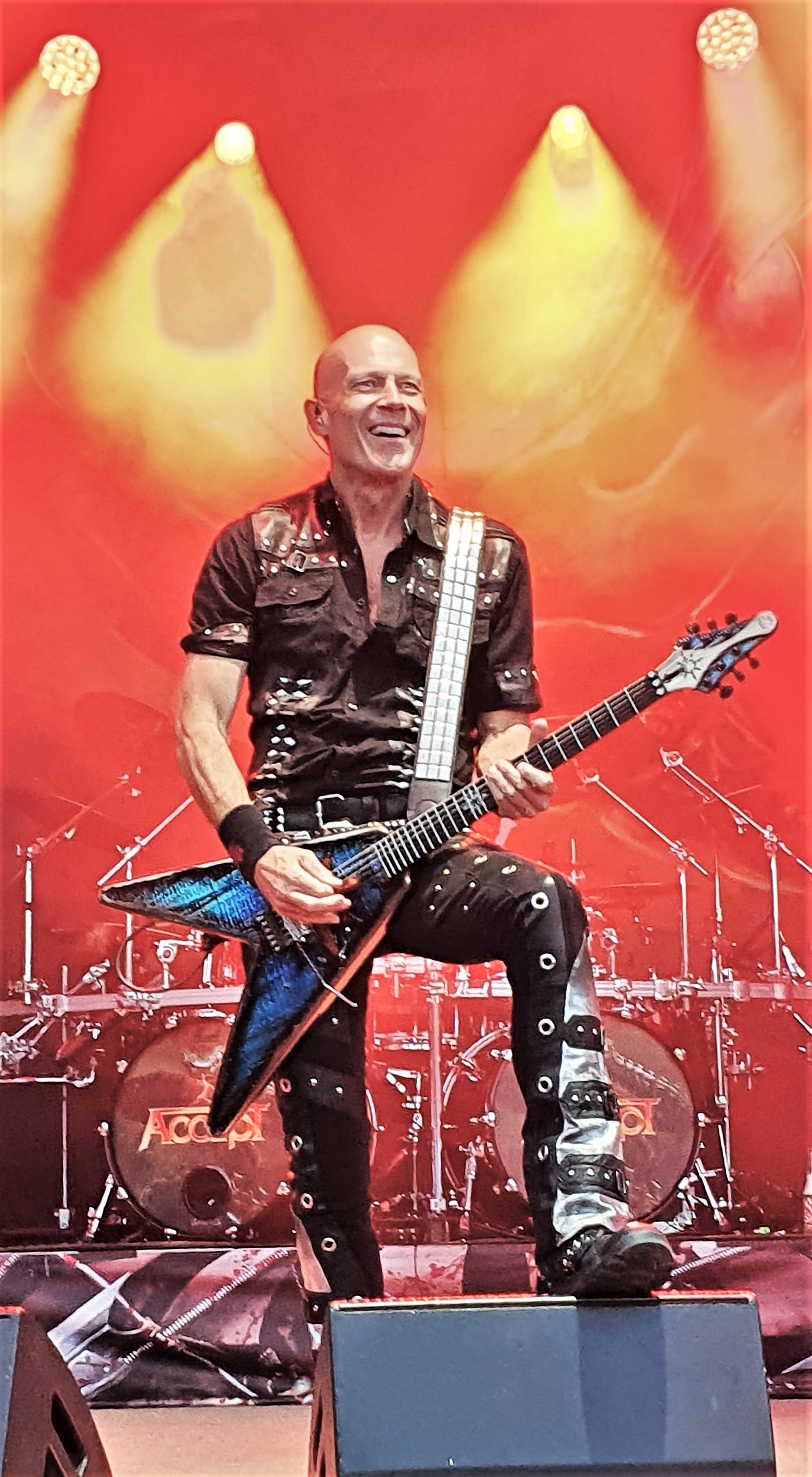
Wolf Hoffmann of Accept speaks candidly about his fears over generative AI in music, warning that labels could replace artist contracts with synthetic tracks to avoid paying royalties.
Contents
Wolf Hoffmann, guitarist and currently the longest-serving member of the German band Accept, has publicly warned about the impact generative artificial intelligence could have on the music industry. In an interview with Portugal's Metal Global, he admitted that the quality of AI-generated material surprises him, but he also sees it as a threat to young artists and to the industry's entire business model.
What Hoffmann said
Hoffmann made no secret of his surprise at the level generative tools have reached today. He said some of the material he has seen exceeds his expectations of what machines are capable of in a field long considered a purely human domain.
The quality is just overwhelming. It's that good, some of the stuff that comes out of AI - Wolf Hoffmann, Accept guitarist
Concern for young artists
Hoffmann's biggest worry concerns how generative AI could affect young people's motivation to develop musical talent. If a finished track can be generated with one click, why spend years learning an instrument, singing, or composing? Hoffmann fears parents will discourage their children from pursuing artistic careers once they see how easily a machine produces something of comparable quality. He pointed to his own path into the profession, when learning guitar required years of practice and patience.
What's the point of that? - Wolf Hoffmann, Accept guitarist, on how parents might react to a child's plans to become an artist in the AI era
The musician also described a scenario he calls tempting for the average user: instead of investing time in learning to play, one only has to sit down at a laptop and generate a finished track with a single click, becoming an artist in others' eyes without putting in the work behind the craft.
Risk for labels and royalties
Hoffmann went further than just reflecting on young creators' motivation. He pointed to a concrete business risk: record labels could start replacing contracts with living artists with synthetic AI-generated music, since it carries no obligation to pay royalties. In his view, streaming services could profit from music nobody needs to be paid for, because formally there is no performer behind it.
This point fits into a broader dispute playing out in the music industry over AI-generated content, also present in recent lawsuits by labels against companies developing language models and in chart decisions to exclude fully synthetic tracks. Hoffmann stressed that regulations are failing to keep pace with the speed of technological development.
Lawmakers are just too slow... very similar to what happened when Napster came along - Wolf Hoffmann, Accept guitarist
The line AI hasn't crossed yet
Despite his concerns, Hoffmann also pointed to an area where he believes human presence remains irreplaceable: live concerts. He noted that despite technological progress, nobody has yet found a credible way to replace five musicians who have to physically go on tour and play on stage.
You can't really fake live concerts yet... I don't think there's going to be an Accept hologram anytime soon - Wolf Hoffmann, Accept guitarist
This distinction matters, because it shows that Hoffmann's criticism isn't a wholesale rejection of the technology, but a call for limits on its use in places where it replaces the work and pay of living creators. Despite testing AI tools, the band deliberately chose not to use them when making its anniversary album, which is itself a statement of values.
Hoffmann's comments come at a particular moment for Accept. The band, founded in Germany in 1976 and regarded as one of the pioneers of speed metal, is celebrating its 50th anniversary in 2026. To mark the occasion, the album "Teutonic Titans 1976-2026" was released on September 4 via Napalm Records, summing up the group's output across five decades. For readers interested in the music market and AI, this is another voice in a debate playing out in parallel in Poland and worldwide over where to draw the line on generative tools in artistic creation, before they start seriously threatening the income and motivation of people working in creative professions.