News
AI Boom Drives Up RAM and SSD Prices, Manufacturers Warn of More Hikes to Come
ADATA and other memory makers say the third quarter of 2026 will bring DRAM price increases of up to 30 percent and NAND of up to 40 percent, as factories shift production toward expensive HBM chips for AI servers. Buyers of laptops, smartphones and computers will foot the bill.
Contents
Memory manufacturers are warning that the worst price hikes are still ahead. ADATA has announced that in the third quarter of 2026, DRAM contract prices could rise by 20 to 30 percent, and NAND by as much as 35 to 40 percent, as manufacturers shift factory output toward HBM chips for AI data centers, leaving less and less room for standard memory used in laptops and smartphones.
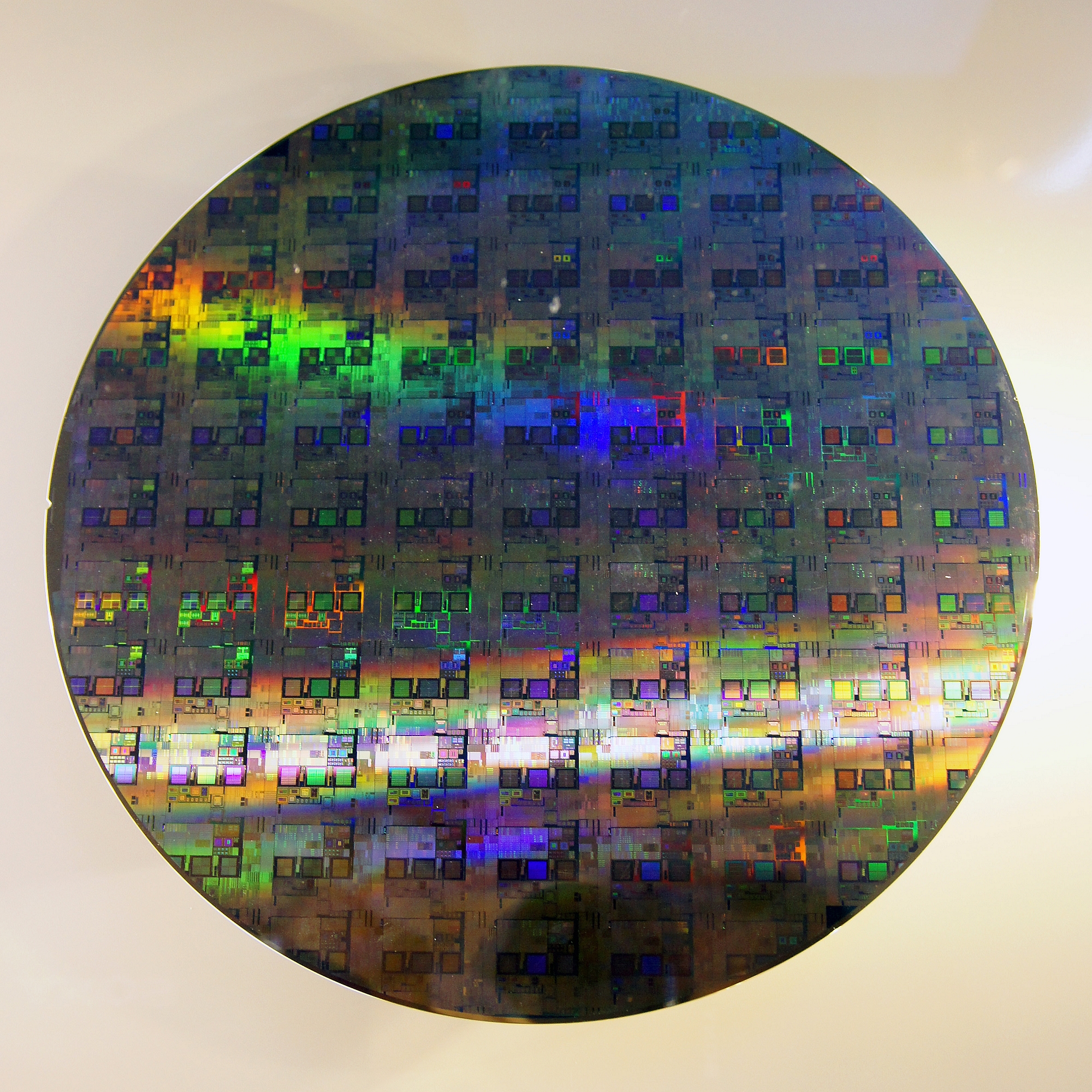
The reason is a single one: artificial intelligence. Samsung, SK Hynix and Micron, the world's three largest memory manufacturers, are shifting more and more production capacity toward HBM modules, high bandwidth memory used in AI accelerators such as Nvidia's chips. HBM carries far higher margins than the standard DRAM and NAND chips that go into ordinary computers, so for the factories it's simple economics.
Scale of the Price Hikes
DDR5 contract prices rose more than 90 percent in the first quarter of 2026, and the memory market overall saw increases in the range of 60 to 230 percent within a few months. That's a pace the industry hasn't seen since earlier supply crises, except this time it isn't about a temporary shortage of raw materials, but a lasting shift in production priorities across the entire semiconductor industry.
ADATA, the Taiwanese memory and storage maker, told investors its sales rose 13.2 percent month over month and as much as 212 percent year over year, driven mainly by a strong negotiating position and high demand for its products. At the same time, the company is warning customers that the era of cheap electronics is over.
pre-COVID-19 pandemic electronics prices are not coming back - ADATA statement to customers and investors
Who's Raising Prices
Samsung and SK Hynix, the two giants that together control most of the world's memory production, are in talks about further major price increases for hardware manufacturers. Lenovo has already described the current situation as the new normal, one the company says will last for several more years, not just through the end of 2026.
Laptop and smartphone makers face a tough choice: either pass the price hikes on to end customers, or scale back their devices' specifications. Some companies are already considering a return to older, cheaper technologies such as DDR4 for budget models, to limit the rise in production costs.
What It Means for Buyers
The impact will be felt most by people planning to buy high-performance hardware, since flagship smartphones and gaming laptops require increasingly large amounts of fast RAM, and that's exactly the segment getting more expensive fastest. Analysts advise against delaying purchases in hopes of price drops, since even if the market eventually stabilizes, prices won't return to pre-AI-boom levels.
Forecasts for the end of the year are even more pessimistic. Experts predict that the fourth quarter of 2026 will bring another wave of price increases of 30 to 40 percent, and some analyses suggest memory prices could stay high through 2027 as well, with year-over-year growth of another 40 to 45 percent. The market isn't expected to start stabilizing until around 2028.
What It Means for Poland
For Polish businesses and consumers, this means a real increase in the cost of buying computers, servers and mobile devices in the coming quarters, especially in the business and gaming hardware segments, where RAM capacity is a key spec. Companies planning to refresh their computer fleets or buy servers for their own AI deployments should expect hardware prices to rise faster than inflation, and delaying purchases is unlikely to save money.