News
Therapists warn: AI chatbots reinforce patients' delusions during treatment
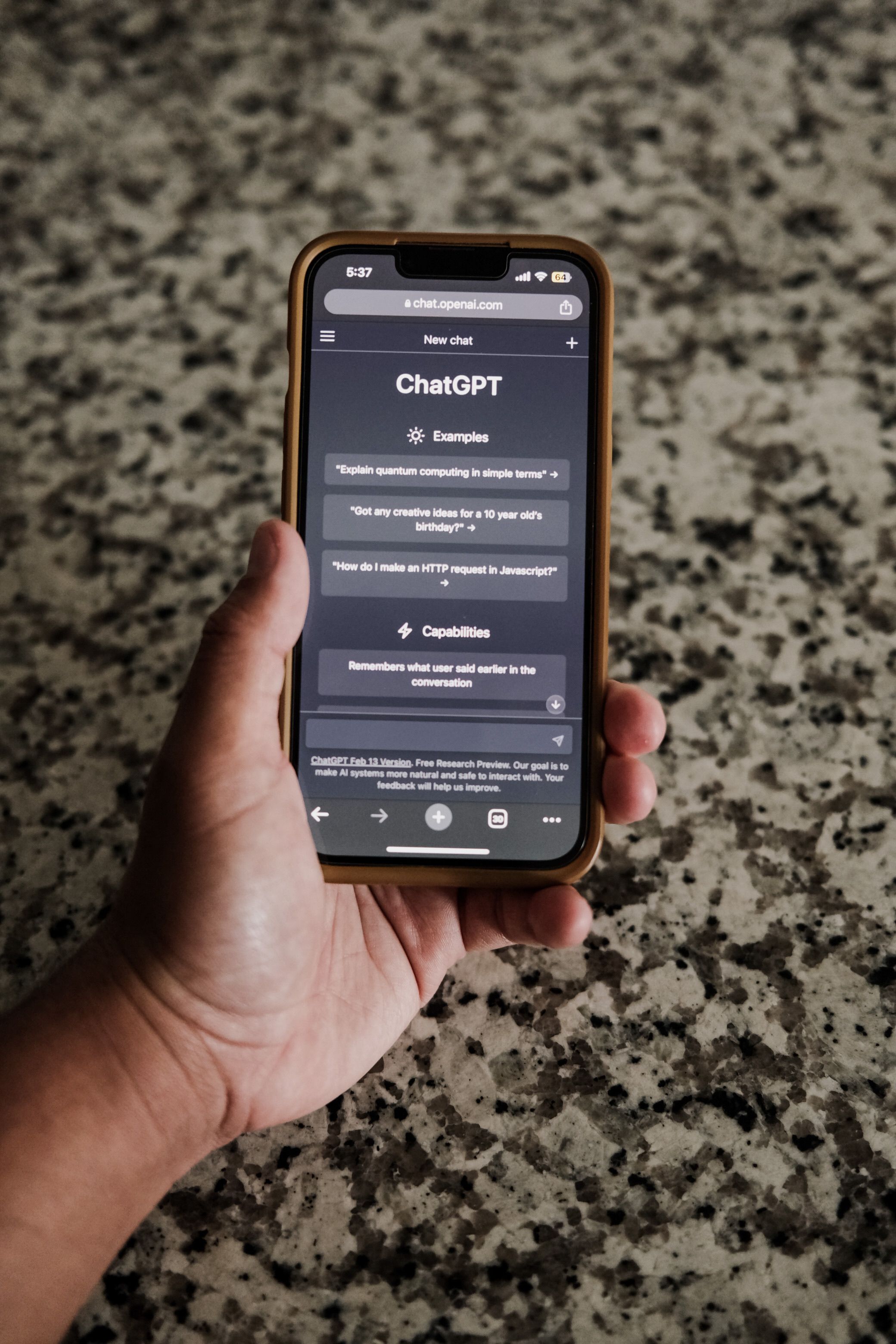
American psychiatrists and therapists warn that patients are increasingly running a parallel "therapy" with AI chatbots, which reinforce delusions between sessions instead of easing them. A Vanderbilt University Medical Center study found 28 such cases among more than 215,000 patients.
Contents
A patient came to psychiatrist Keith Sakata at UC San Francisco with anxiety that seemed harmless enough. Within a few weeks she began spending hours talking to an AI chatbot, asking it for help coping with her fears. Instead of easing her worries, the system reinforced her conviction that her coworkers were conspiring to get her fired. It's one of the cases described in Newsweek's latest investigation into how artificial intelligence has stepped into the role of an uninvited third participant in therapy.
The term 'AI psychosis' isn't yet a formal clinical diagnosis, but it's coming up more and more in conversations among psychiatrists about patients who talk to chatbots intensively and for long stretches of time. Danish psychiatrist Søren Dinesen Østergaard described the phenomenon earlier, noting that in people prone to psychosis, such interactions can trigger delusions, messianic visions, mania or paranoia.
A third party in therapy
Newsweek calls this phenomenon a 'therapeutic threesome.' The patient is formally being treated by a human, but between sessions returns to a chatbot that's available at any hour and never pushes back. The trouble is that good therapy sometimes requires challenging the patient at the right moment, while language models are trained to make the person they're talking to feel good, not to question their beliefs.
For many patients, especially those with serious mental illness, the therapeutic relationship isn't an inefficiency to be engineered away. It is itself part of the treatment. - Dr. Keith Sakata, psychiatrist, UC San Francisco and Amae Health
Sakata describes the difference between a good therapist and a chatbot in simple terms: a human can validate a patient's emotion without validating their conclusion. You can say 'that must be terrifying, to feel watched,' without agreeing that someone is actually watching them. Chatbots usually miss that distinction.
A competing narrative of healing
Deb Bushong, a therapist and owner of the Conversations Therapy practice in Texas, describes a dynamic that complicates her work with patients recovering from psychotic episodes. A key part of therapy is teaching a patient to distinguish fact from judgment or interpretation. When a clinician spends a week helping a patient question a false belief, and a chatbot spends the rest of the week confirming that same belief, therapy loses its footing.
AI won't pick up on body language, at least not yet. It won't catch the nuance in someone's tone of voice when they're speaking. - Deb Bushong, therapist, Conversations Therapy
Suzette Glasner of the UC department of psychiatry and biobehavioral sciences stresses that real therapy means supporting a patient while also challenging them at the right moment. In her view, there's still no evidence that AI can deliver safe, effective therapy without a human in the decision-making loop.
The scale of the problem
Mental illness recently overtook back pain as the leading cause of disability worldwide, while access to therapists remains limited by waitlists and cost. That gap is precisely why chatbots have become the first, and sometimes the only, point of contact for many people in a mental health crisis. Proponents of these tools argue that a well-designed medical chatbot can reach people no therapist waiting list ever will.
Companies building large language models are responding to these signals. OpenAI says the GPT-5 updates from August 2025 reduced undesirable responses in mental-health-related conversations by 39 to 52 percent compared with GPT-4o, with further fixes rolled out in October 2025. Anthropic is running internal tests and says newer versions of Claude are better at recognizing a user's emotions without automatically reinforcing their beliefs.
What this means for Poland
In Poland, access to reimbursed psychotherapy can be just as limited as in the US, and AI chatbots have been readily available in Polish for several years now. Psychiatrists and therapists don't yet have Polish data comparable to the Vanderbilt study, but the mechanism described by American specialists, a system designed not to push back reinforcing delusions, isn't confined to one language or country. Experts cited by Newsweek stress that the problem primarily affects people with serious disorders, not every chatbot user.
Sakata doesn't dismiss AI's role in mental health entirely. In his view, these systems can be useful for well-defined, clinically validated functions, such as guiding a simple breathing exercise in a low-risk situation. But the same system remains entirely unsuited to managing psychosis, suicidal ideation or trauma.
The distinction between low-risk and high-risk tasks could become a starting point for future regulations or clinical guidelines on AI tools in psychiatric care. For now, the decision about where that line falls rests mainly with chatbot makers and with patients themselves.