News
Largest AI Trial in Lynch Syndrome Patients Finds No Improvement in Precancer Detection
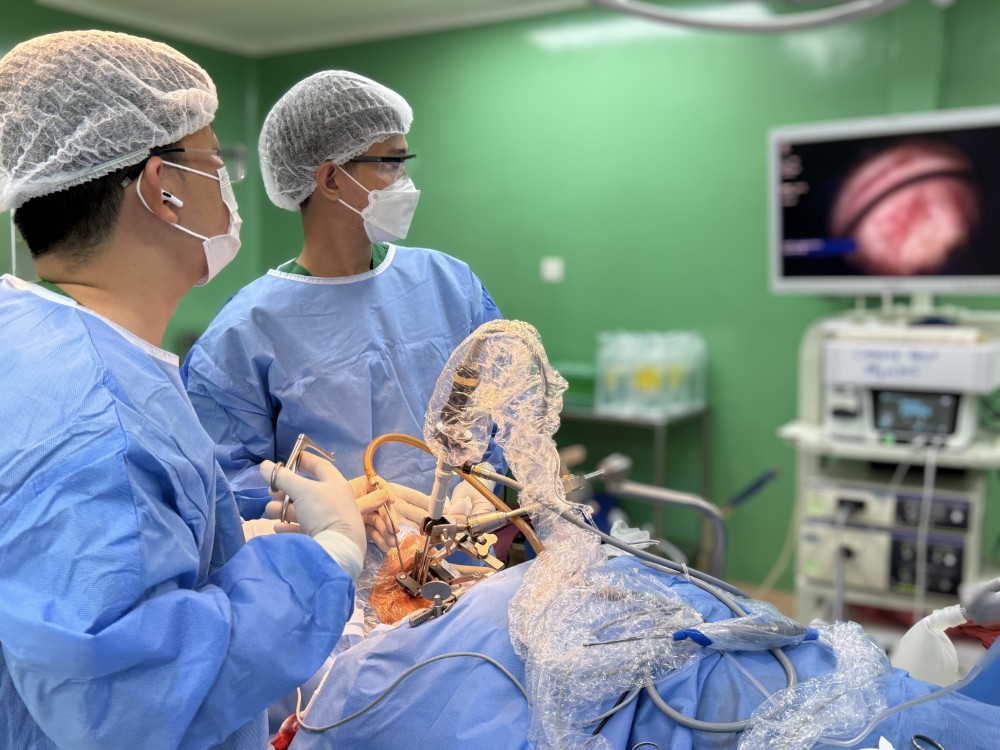
The international CADLY2 trial of 757 patients found that AI support during colonoscopy did not improve detection of significant precancerous lesions in people with Lynch syndrome when the procedure was performed by experienced endoscopists at specialized centers.
Contents
The world's largest randomized trial of artificial intelligence during colonoscopy in people with Lynch syndrome has produced a result that surprised even its own authors. Despite the promise of better detection of precancerous lesions, AI systems did not improve colonoscopy performance at specialized centers compared with standard colonoscopy carried out by experienced physicians.
The trial, called CADLY2, enrolled 757 people with a genetically confirmed mutation responsible for Lynch syndrome, a hereditary condition that raises the risk of colorectal cancer as well as endometrial cancer. Patients were recruited at nine specialized centers across four European countries, making this the largest endoscopic study ever conducted in this patient group and the largest randomized trial of AI use in this high-risk population.
What was being tested
Researchers compared the performance of standard colonoscopy performed by experienced endoscopists against colonoscopy assisted by an artificial intelligence system that analyzes the endoscope camera feed in real time and flags potential lesions on the intestinal wall for the physician. These computer-aided detection (CADe) systems are already used in the general population and have increased detection of small polyps in numerous studies.
For Lynch syndrome, the stakes are higher than in standard screening. Patients undergo regular surveillance colonoscopies specifically to catch precancerous lesions early, before they develop into cancer. That is why the question of whether AI genuinely improves outcomes in this highest-risk clinical setting carried direct implications for medical guidelines.
A surprising result
The result turned out to be unambiguous: additional AI support did not lead to the detection of more clinically significant precancerous lesions compared with colonoscopy performed without the technology. The difference between the two study groups did not reach statistical significance.
The result may seem surprising at first glance - Dr. Robert Hüneburg, senior physician, Department of Internal Medicine I, University Hospital Bonn
Modern AI systems do not automatically lead to better outcomes. At specialized centers with high levels of expertise, careful colonoscopy performed by experienced examiners remains the decisive factor - Prof. Dr. Jacob Nattermann, head of the Hepatogastroenterology Section, Department of Internal Medicine I, UKB
Why AI did not help here
The authors attribute the result to the specific nature of the centers involved in the trial. All nine sites are referral centers with extensive experience caring for Lynch syndrome patients, where procedures are already standardized and bowel inspection time is extended in line with guidelines for high-risk groups. Under these conditions, the margin for improvement from technology is far smaller than in an average endoscopy unit.
This sets Lynch syndrome apart from the general population, where CADe systems most often improve detection of small polyps of limited clinical significance, but not necessarily lesions with real oncological relevance. An earlier, smaller study by the same Bonn-based research team, published as CADLY, had signaled similar doubts, and CADLY2 was designed to verify them in a much larger sample.
Implications for clinical practice
The researchers' conclusions do not mean AI is useless in gastroenterology, but they do show that its benefits are context-dependent. Where colonoscopies are performed by less experienced physicians or at facilities without standardized procedures, algorithmic support may still matter. At expert centers, however, the decisive factor remains the quality of the examination itself and the operator's experience, not additional software.
For health systems, this offers a practical takeaway: investment in AI for the surveillance of patients with hereditary cancer syndromes should go hand in hand with maintaining high standards for the procedure itself, rather than replacing staff training and experience. The authors also stress the role of specialized centers and structured surveillance programs as a factor that genuinely protects Lynch syndrome patients.
In Poland, Lynch syndrome remains rarely diagnosed despite the availability of genetic testing, and patients with a confirmed mutation are referred for regular endoscopic surveillance under oncology programs. The CADLY2 findings could influence how national referral centers plan the rollout of colonoscopy support systems, particularly when it comes to prioritizing investment between technology and endoscopist training.
What comes next
The Bonn team plans further analysis of the CADLY2 data, including whether AI provides a benefit in specific patient subgroups or at centers with less experience in Lynch syndrome surveillance. The results are also expected to feed into international guidelines on endoscopic surveillance in hereditary cancer syndromes, where recommendations on AI use have so far relied mainly on data from general-risk populations.