News
JPMorgan and Schwab Block Outside AI Agents From Logging In for Customers
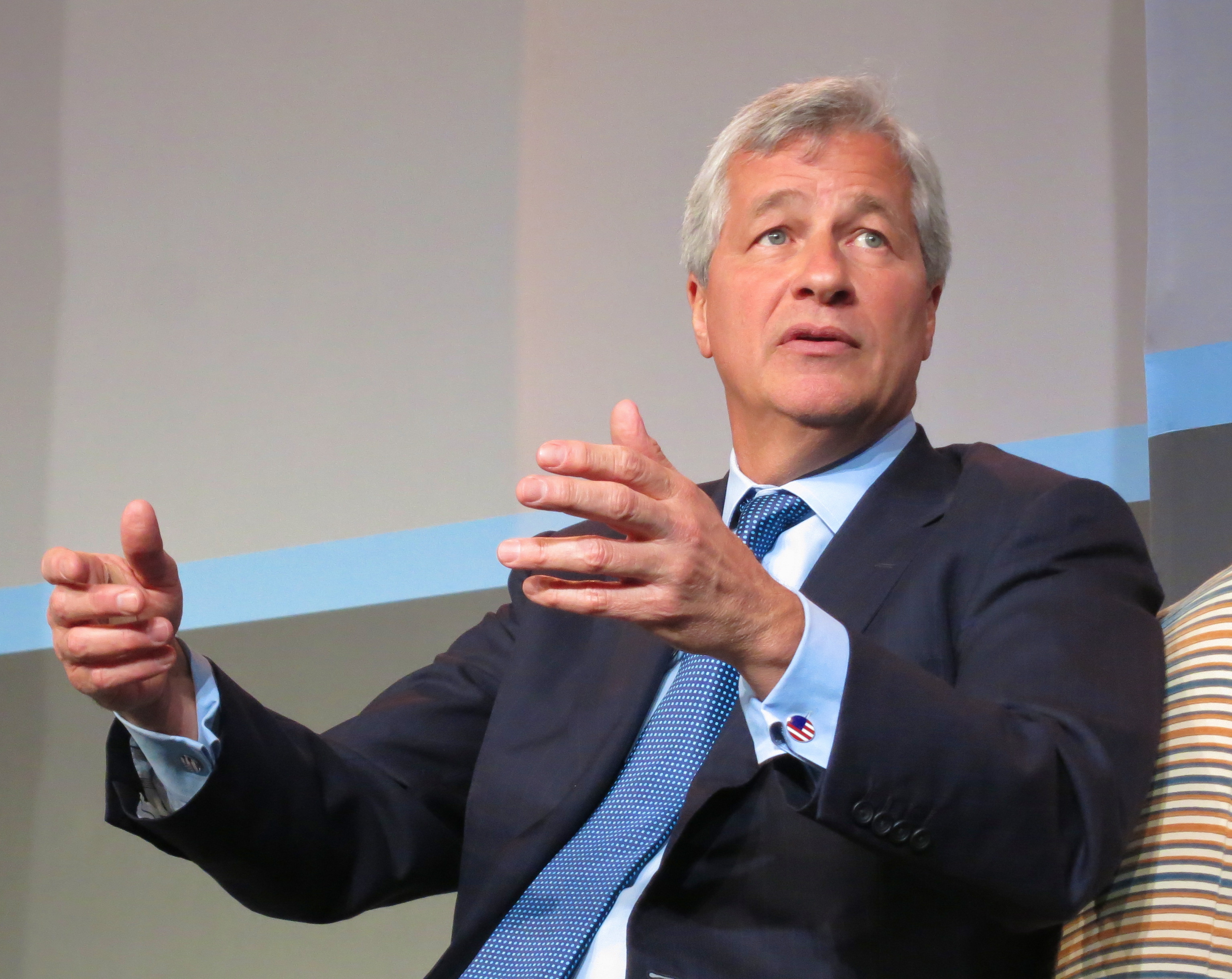
JPMorgan CEO Jamie Dimon and Schwab CEO Rick Wurster said their firms will not let third-party AI agents log in on customers' behalf using their credentials. The statements came a little over a month after Meta launched its Muse agent. Consent-based data sharing remains allowed, and at Schwab selected models can place stock trades but cannot move money.
Contents
Two large US financial institutions have said plainly that outside AI agents will not get access to customer accounts on the terms those agents would like. JPMorgan Chase's Jamie Dimon said so on Tuesday, October 13, during the bank's earnings call, and Schwab's Rick Wurster said the same on Thursday, October 15, on his firm's earnings call. The target is specific: agents that log in for a customer using that customer's credentials. The statements came a little over a month after the launch of Muse, Meta's agent that is also meant to help with finances.
What JPMorgan said
According to Fortune, Dimon said the bank is blocking outside AI agents from logging in to or acting on customer accounts. He pointed to the risk of so-called rogue agents. A bank spokesperson clarified that JPMorgan does not allow agents that try to get in by obtaining a customer's banking credentials.
We’re not going to allow just any outside agent to come inside the company, because that’s just too risky for clients and for JPMorgan. - Jamie Dimon, CEO of JPMorgan Chase
Dimon added that the bank is building its own tools to protect customers. At the same time, JPMorgan says it supports secure, customer-authorized data sharing through open banking providers.
Schwab's position
Wurster said on the earnings call that there is one approach the firm considers unsafe: an agent that comes to the site and tries to log in on a customer's behalf. Schwab does not intend to allow that. According to American Banker, Wurster gets a notice every time an agent is blocked, but such cases are rare because most clients do not use AI that way.
Schwab is not closing the door on AI. Selected models, such as ChatGPT, can already connect to Schwab to place stock orders. Over time more clients and models are to get that ability, but without the right to move money, which Wurster said carries too much risk for the client and the firm. The firm is promoting its own early-stage assistant, Charley, built on outside models and Schwab's data.
Security or margin protection
American Banker quotes a skeptical Tim Welsh of Nexus Strategies, who considers the security concerns real but also sees a financial motive. An agent could move uninvested cash into higher-yielding products, which would hurt interest revenue.
An outside agent works for the client. Charley works for Schwab. - Tim Welsh, Nexus Strategies
Wurster rejects that argument and says clients who use AI hold more cash because they trade more often.
Pressure on Meta and standards
Meta did not tell Fortune whether Muse will still be able to help with finances if more banks restrict agents. It is, however, working with Sierra on a standard called Poppy, which is meant to show companies that an agent is acting on a customer's behalf and to describe how an agent identifies itself and obtains permission. Fortune also notes that in August Germany's Scalable Capital opened its platform to models such as ChatGPT, Claude and Grok, with users required to approve trades.
For Polish companies and banks, this is a signal of where the market may be heading: access through authenticated, consent-based channels rather than agents impersonating users. For now these are statements from two American institutions, not regulation, so it is unclear how widely such rules will be adopted.