News
AI-Generated Bird Photos Are Contaminating Citizen Science Data
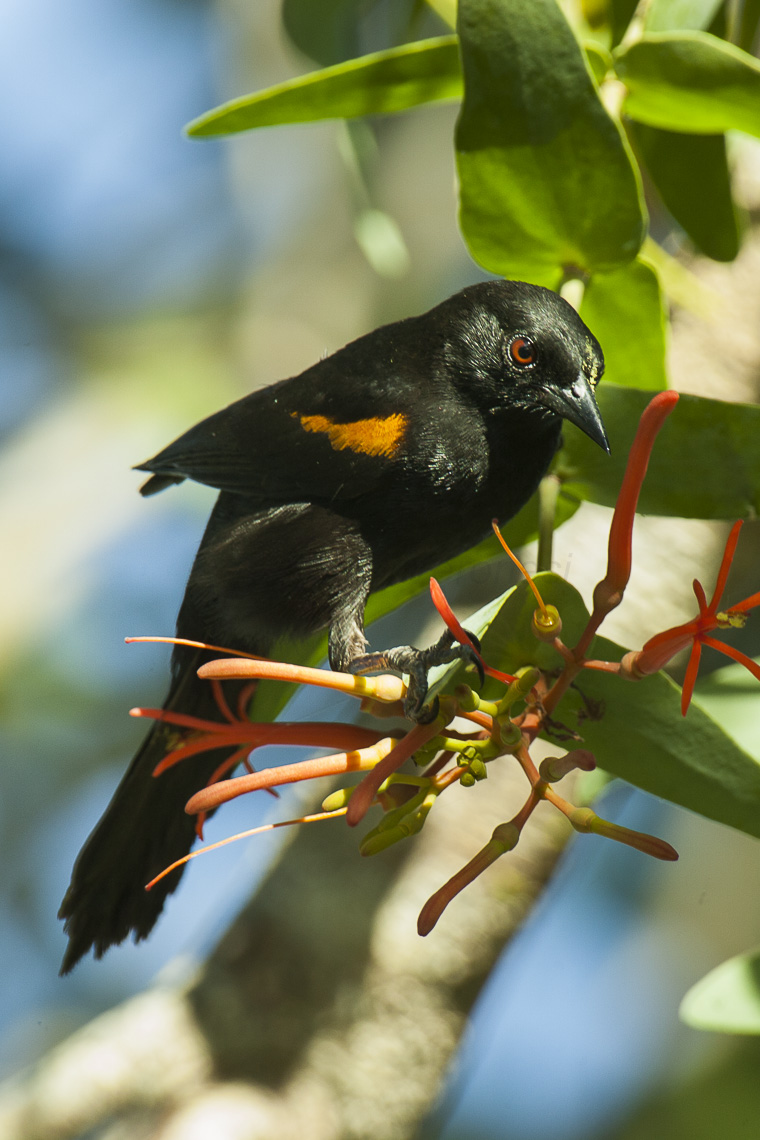
Researchers at Cornell University and Manchester Metropolitan University warn in Nature Ecology & Evolution that AI-generated and AI-edited images are contaminating citizen science platforms like iNaturalist, distorting data on bird species distribution.
Contents
Scientists working in ornithology and citizen science are warning that AI-generated or AI-edited bird photos are starting to contaminate the databases underpinning research into migration patterns, species distribution and climate change. A letter published in the journal Nature Ecology & Evolution calls on platforms such as iNaturalist to urgently introduce safeguards against a rising tide of artificially generated nature images.
The problem mainly affects citizen science platforms, where millions of nature enthusiasts have spent years uploading photos and recordings of wild animals. iNaturalist, the Macaulay Library and apps like Merlin collect this material to build species distribution maps and to train algorithms that identify birds by sound and appearance. Researchers warn that images increasingly appearing on these platforms no longer show what the camera actually captured.
A fake oriole from Brazil
One specific case described in the letter involves a photo from the Pantanal in central Brazil, submitted as an observation of a red-winged blackbird. In reality, the photographer had photographed a Baltimore oriole, a species with similar plumage, and asked an AI tool to make the picture "look nicer." The algorithm added the blackbird's distinctive red shoulder patches, creating an image of a species that doesn't occur there.
It is precisely this kind of case that worries researchers most. This isn't about deliberate fraud or fabricated sightings, but routine photo editing in which AI quietly adds features from other species. Photographers often have no idea they've created false evidence that a species was present somewhere it never actually was.
A scale that is hard to measure
The figure of 1,400 flagged photos out of more than 610 million in the iNaturalist database sounds like a tiny fraction, but the letter's authors stress it is likely just the tip of the problem. Many manipulated photos will never be detected, since the edits are often subtle and platform moderators cannot manually verify every submission.
My experience scrolling through Facebook shows that a huge amount of wildlife photos today are simply AI-generated images - Alexander Lees, ecologist, Manchester Metropolitan University
The more we know about where species occur, the better informed conservationists can be. But that information has to be accurate - Tony Iwane, director of community support, iNaturalist
A feedback loop for algorithms
The problem has a technical dimension as well. Bird identification apps like Merlin are trained on photos gathered from these same citizen science platforms. If the share of AI-distorted images in the training data keeps growing, future versions of species-recognition models inherit those errors and identification quality degrades further. Researchers call this phenomenon model collapse or AI cannibalism, a situation in which artificial intelligence feeds on its own degraded output.
The letter's authors note that the consequences go beyond statistics. Flawed observation data can lead scientists to false conclusions about where a species actually lives, how its migration routes are shifting, and how populations are responding to climate change. That in turn affects conservation decisions, such as designating protected areas or planning action for endangered species.
Pressure on moderators
Platforms such as iNaturalist and eBird rely heavily on volunteers who manually verify community submissions. Researchers warn that the growing wave of AI-generated material is accelerating burnout among these curators, who must spend increasing amounts of time distinguishing genuine sightings from artificially touched-up photos.
The letter in Nature Ecology & Evolution doesn't propose a single ready-made fix, but it urges platforms to invest in tools that detect AI manipulation and to clearly inform users that editing photos with generative AI undermines their scientific value. The authors emphasize that nature photographers themselves rarely have bad intentions, they simply want a nicer-looking shot, without realizing the consequences for science.
For Polish birdwatchers and users of apps like Merlin or iNaturalist, the issue has a practical dimension: the data underlying occurrence maps and local bird atlases is only as good as the photos feeding the database. If the problem keeps deepening globally, it will sooner or later affect the reliability of regional records relied on by Polish ornithologists and nature conservation organizations.