News
Trump Says US Will Ban the Term "Artificial Intelligence," but Order Covers Only Federal Agencies
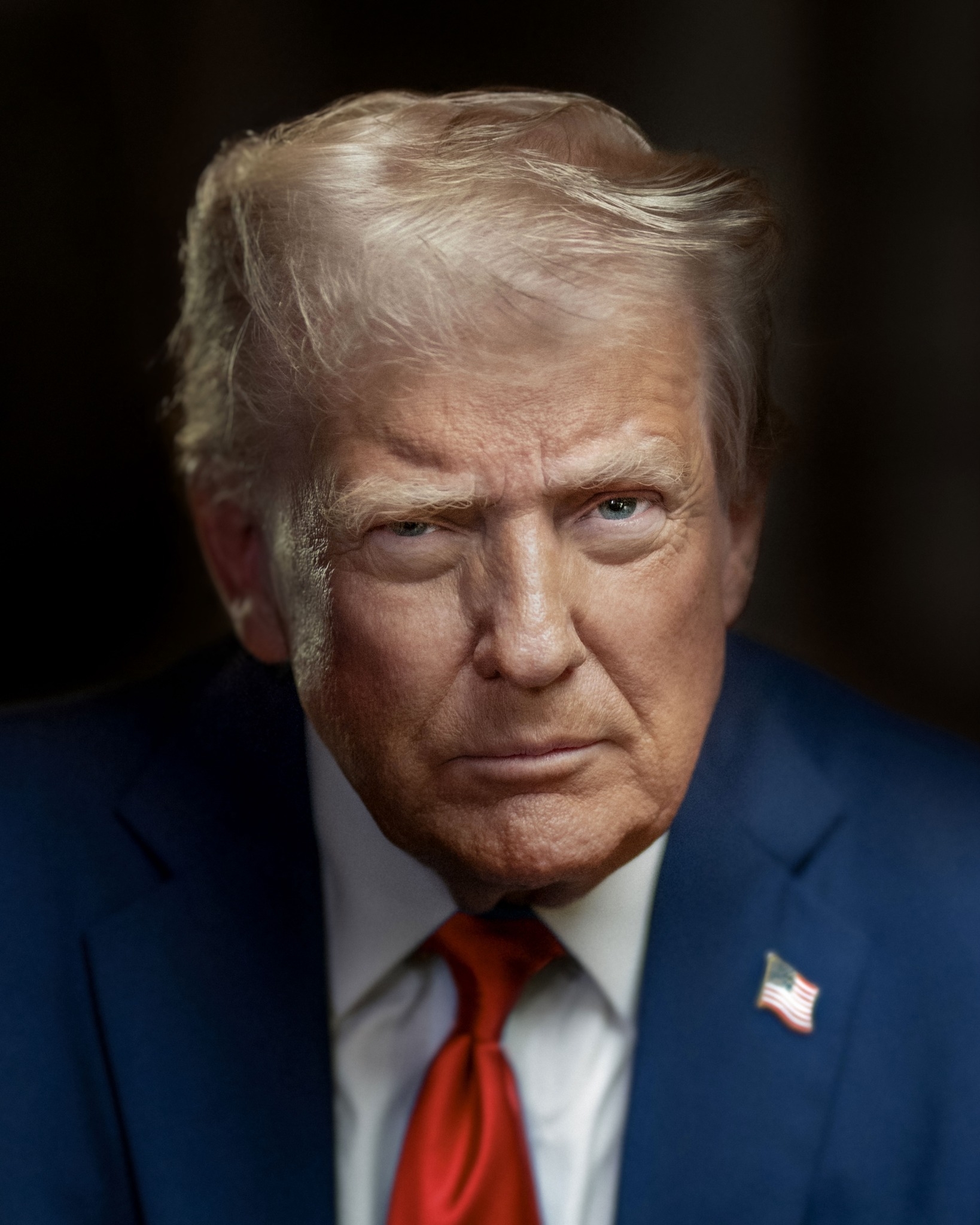
Donald Trump wrote on Truth Social that the US will "officially ban" the term AI and replace it with "Super Intelligence" (SI). The executive order in force, however, applies only to federal agencies, not to companies, media or citizens.
Donald Trump announced on Tuesday, 27 October 2026, that the term "artificial intelligence" will be "officially banned" in "all relevant documents." It is to be replaced by "Super Intelligence," abbreviated SI. The announcement sounds broader than the document that is already in force.
What Trump wrote
In the Truth Social post, Trump criticized The Wall Street Journal for still using the existing name. He asked when the paper would start calling "Artificial Intelligence (AI)," in his words "a very bad and inaccurate name," by the term SI (Super Intelligence).
He added that "we will be officially BANNING" the term "AI/Artificial Intelligence" in relevant documents and "everything else." According to IBTimes UK, Trump also claimed that nearly everyone already uses SI or soon will, but he offered no evidence for it.
In short order, we will be officially BANNING the term, "AI/Artificial Intelligence," in all relevant documents, and everything else, due to its inaccuracy. - Donald Trump, US president, Truth Social post
What the order says
The basis is Executive Order 14434, signed on 29 September 2026 and published on the White House website. Under its text, the executive branch is to use the terms "Super Intelligence" and "SI" in place of "Artificial Intelligence" and "AI," and "will not acknowledge" the old terms in any applicable setting.
Agencies are to make the switch in official correspondence, public communications, websites, reports and policy documents, as well as other non-statutory documents. The requirement applies "to the maximum extent permitted by law."
What the ban doesn't cover
The order does not require changes to previously issued regulations, presidential actions, contracts, grants or other historical documents. It also creates no enforceable rights or benefits. The text contains no general ban for private companies, media or citizens, so Trump's reference to "everything else" goes beyond what the document says today.
For now, the new terms carry the same legal meaning as the old ones: they cover the technologies encompassed by the statutory definition of artificial intelligence in 15 U.S.C. 9401(3). That definition stays in force unless it is superseded by a later presidential action or an act of Congress.
What happens next
Within 60 days, meaning by the end of November, the Assistant to the President for Science and Technology is to submit proposed legislative language with a federal definition of "Super Intelligence." The proposal must assess whether the new definition should modify, expand upon or replace the current one, and identify needed changes to existing statutes.
For Polish companies and readers, the practical change is for now limited to US government documents. The White House presents the change as bringing the vocabulary in line with the capabilities of these technologies.