News
AMD, Cisco and HUMAIN Launch 1-Gigawatt AI Infrastructure in Saudi Arabia
AMD, Cisco and Saudi Arabia's HUMAIN have brought online production AI computing infrastructure built on Instinct MI355X chips, with plans to expand to 250 megawatts by 2027 and 1 gigawatt by 2030.
Contents
AMD, Cisco and Saudi Arabia's HUMAIN announced on August 31, 2026 the launch of production artificial intelligence computing infrastructure in Saudi Arabia. It's the first operational phase of a joint project that is expected to grow over the coming years into one of the largest AI computing hubs outside the United States and China.
What went live in Saudi Arabia
The new infrastructure is built on AMD Instinct MI355X graphics processors, AMD EPYC processors, and a networking layer based on Cisco Silicon One chips. HUMAIN, a Saudi technology company controlled by the state's Public Investment Fund (PIF), will use these resources to offer GPU-as-a-service to customers inside and outside the Kingdom, covering both model training and inference.
The networking layer runs on the Cisco N9000 Series platform paired with 800G optics, which links the GPUs into a single fabric optimized for scale, low latency and operational resilience. AI workload management software is provided by AMD's open ROCm software stack.
Scale and expansion timeline
The companies said the next phase of the project will begin in 2027 and add up to 250 megawatts of additional computing capacity, already using the newer-generation AMD Instinct MI400 series chips. The ultimate goal, by 2030, is for the full infrastructure to reach roughly 1 gigawatt of capacity, putting it in the same league as the largest AI computing campuses announced anywhere in the world.
The project is part of a broader Saudi strategy in which HUMAIN aims to turn the country into a regional hub for "sovereign" AI infrastructure, independent of foreign cloud providers. The United Arab Emirates and other Gulf states have voiced similar ambitions, signing multibillion-dollar contracts with American chip and cloud suppliers for months.
Significance for the infrastructure race
For AMD, the contract is further proof that the company can compete with Nvidia not just on paper but in real, large-scale operational deployments. Until now, Nvidia has dominated announcements of gigawatt-scale computing campuses, including projects involving Middle Eastern sovereign wealth funds.
For Cisco, the project marks its entry as a key networking supplier for AI clusters, a segment so far dominated by specialized solutions from Nvidia and Broadcom. The company says the region is moving "from investment to delivery", from announcements to data centers that are actually up and running.
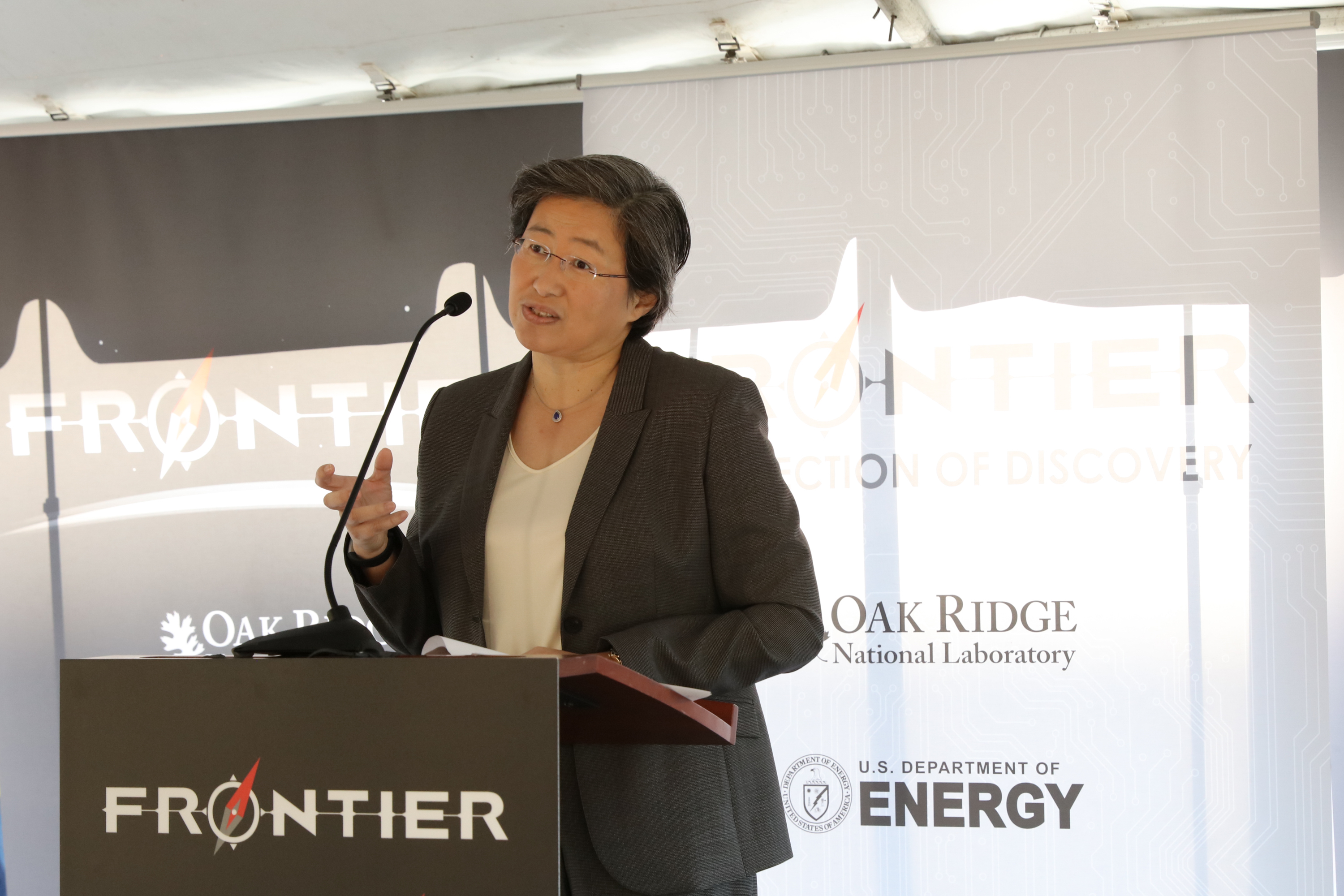
Together, we're building an open, high-performance AI platform that is already serving customers today and will scale significantly in the years ahead - Lisa Su, Chair and CEO of AMD
The region is rapidly moving from investing in AI to actually delivering it, and through our work with HUMAIN and AMD, Cisco is building the infrastructure that makes that vision real - Chuck Robbins, Chair and CEO of Cisco
What's next
Investment in Middle Eastern AI infrastructure is accelerating alongside growing demand for computing power from US AI labs, which have spent months hunting for additional sources of energy and chips beyond their own backyards. For Polish and European data center firms, it's a signal that competition for investors and AI infrastructure contracts is increasingly shifting toward regions outside the traditional tech hubs, backed by sovereign wealth funds ready to finance gigawatt-scale projects.
The next phases of the HUMAIN, AMD and Cisco project will test whether the announced timelines can actually be kept. The data center industry has long struggled with delays in energy, chip and networking component deliveries that have already slowed down similar announcements from other players.