News
AMD Doubles AI Market Forecast to $2 Trillion, Shares Jump 7 Percent
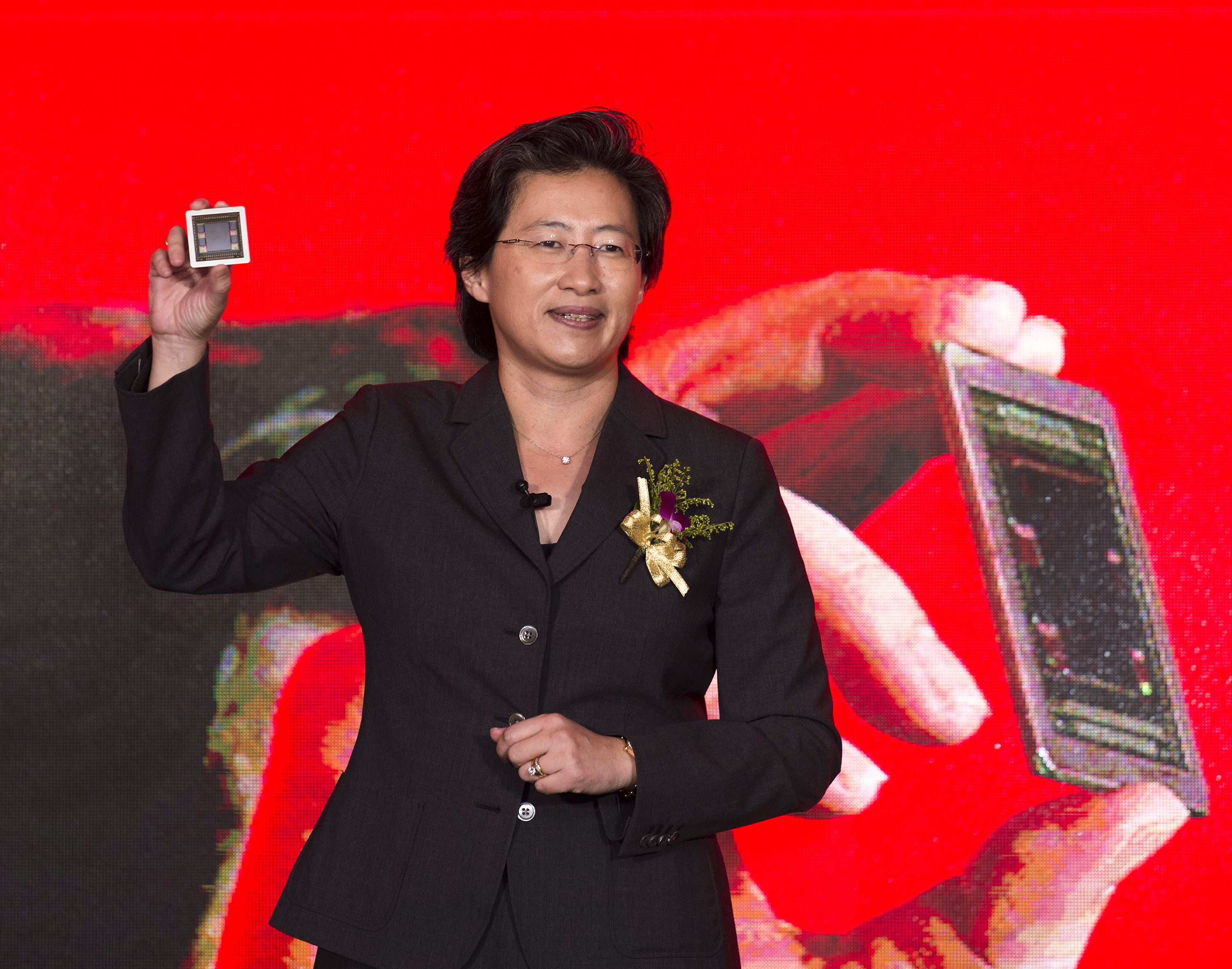
AMD unveiled a sharply higher AI market forecast at the Citi Global TMT conference and said its data center segment will more than double in 2027. Investors responded by pushing the chipmaker's shares up nearly 7 percent.
Contents
AMD raised its forecast for the total artificial intelligence market to $2 trillion by 2030 and said the company's data center segment is set to more than double as early as 2027. The announcements, made Tuesday at the Citi Global TMT conference, triggered an immediate reaction on the stock market - shares of the chipmaker gained nearly 7 percent.
A New Market Forecast
AMD's leadership updated its estimates for the entire AI market at Citi's 2026 Global TMT investor conference. The company now puts the total market at $2 trillion by 2030, with server CPUs accounting for $220 billion of that and AI GPUs for more than $40 billion. That marks a sharp upward revision from earlier estimates, which valued the CPU segment at $60 billion.
A key point in the presentation was that over the past twelve months, inference - running already-trained models - has become the main driver of demand for AI computing power, overtaking the training of new models. According to AMD, workloads are now shifting from simple chatbots toward autonomous agentic systems, which consume far more computing power per task.
The 2027 Numbers
The most concrete claim was that AMD's data center segment will more than double in 2027, reaching sales of around $70 billion. Server CPUs are expected to grow more than 70 percent year over year over the same period, with growth exceeding 80 percent in the second half of 2026. The company also said enterprise server revenue already grew more than 70 percent in the second quarter of 2026.
That growth is expected to be driven by the new MI450 accelerator, with production shipments starting in the third quarter of 2026, and the next chip, the MI400, planned for the second half of 2027 as the flagship product for 2028. The Helios rack-scale system is also playing a significant role, with AMD saying demand forecasts for it now exceed the volumes originally signed with customers.
When we think about the pace, scale and growth of AI, this is unprecedented - Jean Hu, AMD Chief Financial Officer
Customers and the Supply Chain
Among the customers driving demand, AMD named Meta, OpenAI and Anthropic, each tied to multi-gigawatt deployments spread across several upcoming hardware generations. Jean Hu said AMD has secured purchase commitments worth $29-30 billion with TSMC and received the largest increase in production allocation among all of the Taiwanese chipmaker's customers.
The depth of technical engagement with the three leading model companies is really encouraging - Matt Ramsay, AMD Executive Vice President of Financial Strategy
Ramsay also said that with the current generation of products, AMD holds an edge in tokens processed per dollar at large-scale inference, a metric the company is putting at the center of its pitch to cloud customers. Some parts of the supply chain remain tight, however, including advanced silicon wafers, HBM memory, and advanced packaging and substrates, which could weigh on gross margin in the fourth quarter of 2026 and in 2027 as MI450 production ramps up.
Investor Reaction and Context
The market responded to the presentation with an immediate jump in AMD's share price, reaching nearly 7 percent intraday. Analysts at Raymond James raised their price target on the stock from $565 to $641, saying AMD is on track to overtake Intel in the server processor market as early as 2027. The company also announced the acquisition of startup Taalas, aimed at strengthening its in-house inference chip design capabilities, and a partnership with Cerebras integrating the Helios system with wafer-scale engine technology.
For Polish investors and tech companies, this forecast revision matters mainly indirectly - as another signal that demand for AI infrastructure from the largest cloud providers and model labs is not slowing, and that AMD's rivalry with Nvidia over data center budgets is picking up pace. Higher forecasts also raise expectations for component, energy and cooling suppliers, some of which are already linked by supply chains to Polish companies and data center projects.
AMD notes that gross margins on GPUs for data centers remain below the corporate average, and the company expects to offset that with its higher-margin server and embedded segments. The next test of credibility for the new forecasts will come with fourth-quarter 2026 financial results, when AMD should show its first real revenue from MI450 shipments.